LIFESTYLE
10 Essential Health Checkups: From BP and Cholesterol to Hemoglobin—Know the Ideal Levels for Your Body..

Health Check-up: Fluctuations in the levels of essential substances in the body can impact our health. The body often provides early warning signs, but we tend to overlook them. Therefore, it is important to understand the normal ranges for key health markers such as blood pressure, blood sugar, hemoglobin, thyroid, cholesterol, and other vital parameters. Regular monitoring of these levels can help detect various health issues promptly.
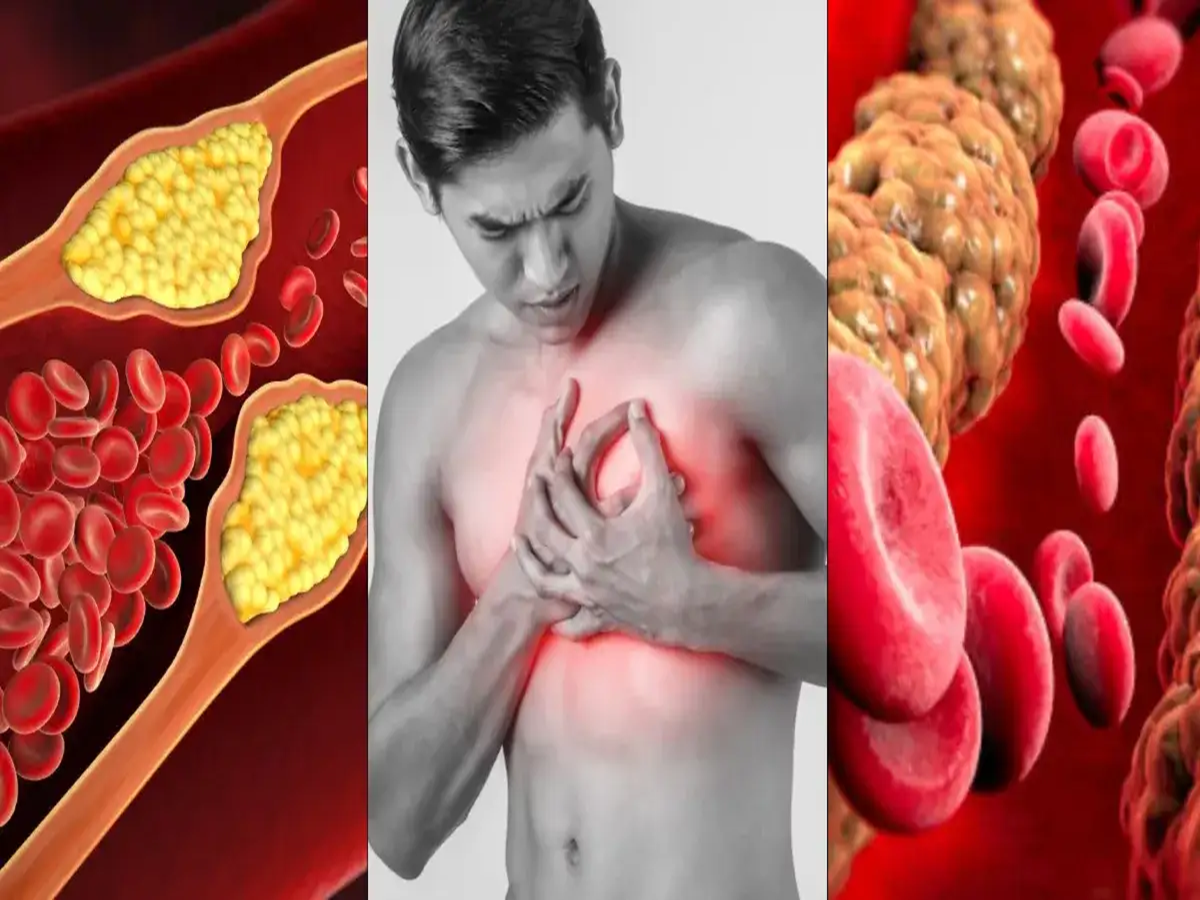
Monitoring these markers is particularly crucial for conditions like diabetes, high blood pressure, anemia, thyroid disorders, and heart disease. However, normal ranges can vary depending on factors such as age, gender, pregnancy status, medications, overall health, and the specific laboratory conducting the test. Thus, concluding a medical condition based solely on a single report is not advisable.
Let us look at the ideal levels for 10 key health parameters and understand what deviations—whether high or low—might indicate.
Blood Pressure
Blood pressure is measured using two numbers: the upper number (systolic) and the lower number (diastolic). For healthy adults, a blood pressure reading of less than 120/80 mmHg is considered normal. Readings between 120–129 (with a diastolic reading below 80) are classified as elevated blood pressure, while consistent readings of 130/80 mmHg or higher fall into the category of high blood pressure.
Blood Sugar
A fasting blood glucose level of 70–99 mg/dL is generally considered normal. A level between 100–125 mg/dL may indicate prediabetes. A level of 126 mg/dL or higher is significant in diabetes screening; however, a formal diagnosis requires a medical evaluation and, if necessary, repeat testing.
Hemoglobin
Hemoglobin is a vital protein found in red blood cells that helps transport oxygen to various parts of the body. Normal hemoglobin levels for adult men range from approximately 13.8 to 17.2 g/dL, and for women, from about 12.1 to 15.1 g/dL. Reference ranges may vary slightly between different laboratories.
Thyroid (TSH)
TSH is a crucial blood test for assessing thyroid function. Many laboratories use a reference range of approximately 0.4–4.0 mIU/L for adults; however, the specific reference range provided on your lab report should be prioritized.
Cholesterol
Generally, a total cholesterol level below 200 mg/dL is considered ideal. However, looking at total cholesterol alone is not sufficient; LDL, HDL, and triglyceride levels are also important. Typically, keeping LDL below 100 mg/dL is considered beneficial, while higher HDL levels are regarded as advantageous for heart health.
Triglycerides
Triglycerides are a type of fat found in the blood. For adults, a level below 150 mg/dL is considered normal. Elevated triglyceride levels can be caused by factors such as obesity, diabetes, an unhealthy diet, low physical activity, and other underlying issues.
Oxygen Level
SpO₂ levels, measured using a pulse oximeter, typically range between 95% and 100% in a healthy individual. If oxygen levels consistently appear below normal—especially when accompanied by symptoms like breathing difficulties, chest pain, or a bluish tint to the lips or face—seeking immediate medical attention may be necessary.
Resting Heart Rate
For most adults, the resting heart rate ranges from approximately 60 to 100 beats per minute. However, individuals who exercise regularly may have a lower resting heart rate. Stress, exercise, caffeine, fever, and certain medications can affect heart rate.
Vitamin D
Levels of 25-hydroxy vitamin D in the blood are typically measured to assess vitamin D status. Different guidelines and laboratory reference ranges may be used to interpret these results; therefore, it is important to consider the reference range provided in the report and the advice of a doctor.

Uric Acid
Uric acid is a substance produced in the body from the breakdown of purines and is primarily eliminated by the kidneys. Normal ranges can vary depending on gender and the specific laboratory. Elevated uric acid levels can lead to problems such as gout (a type of arthritis) or kidney stones in some individuals. However, simply having high uric acid levels does not necessarily mean that a person has gout.