LIFESTYLE
A moment of carelessness can lead to an accident! It's essential to know these things before driving in the mountains..
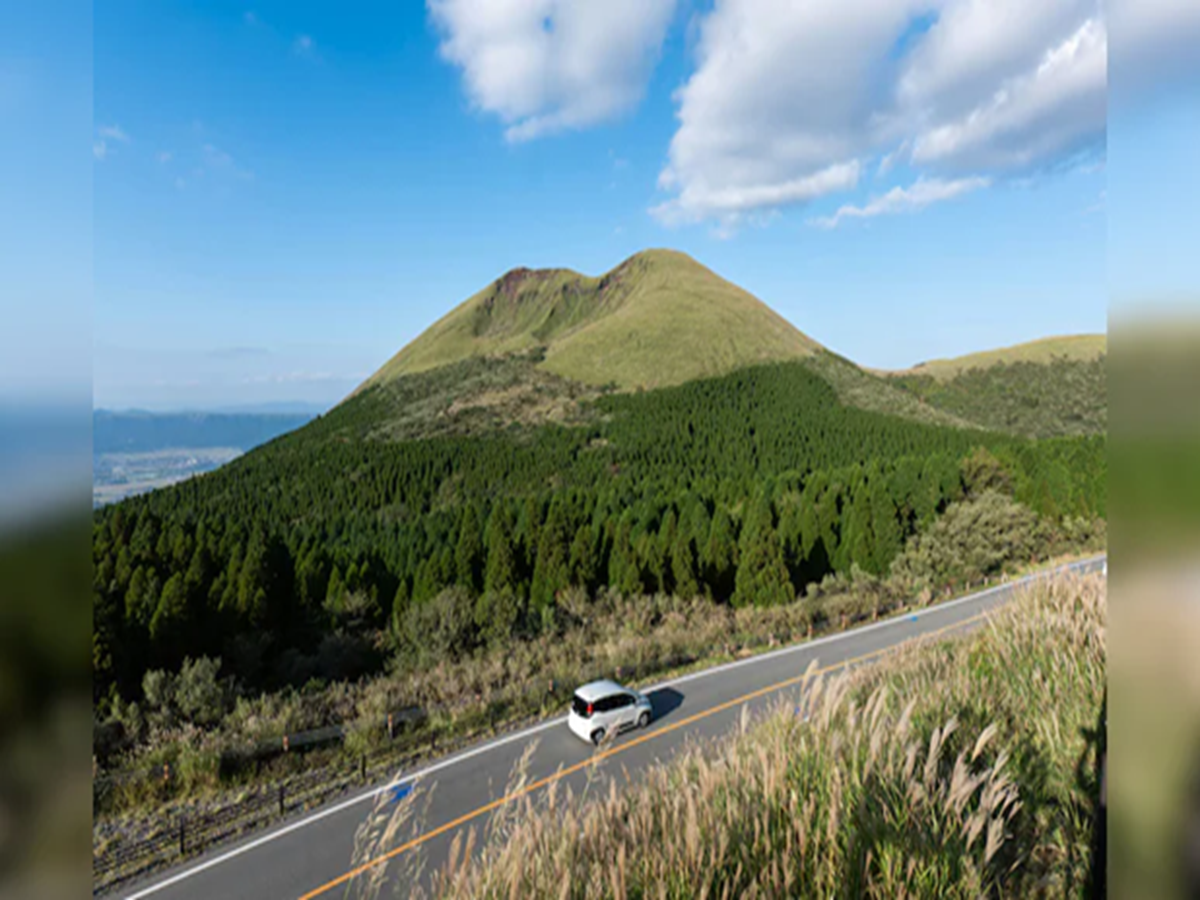
Driving in the Hills: These days, many people are heading to the mountains for their holidays. Some go with friends, others with family. If you've ever been to the mountains, you know how captivating the scenic views are. The beautiful landscapes along the way, the lush greenery, and of course, the steep inclines. Driving on these steep slopes can be challenging for both the driver and the vehicle. Although it might seem like a small part of the journey, safe driving on steep inclines is crucial because even a small mistake can be life-threatening. On such roads, the car's engine, brakes, and clutch are under immense pressure, and even experienced drivers can make mistakes if not handled properly. Let's understand what precautions to take and what to keep in mind while driving on steep roads.
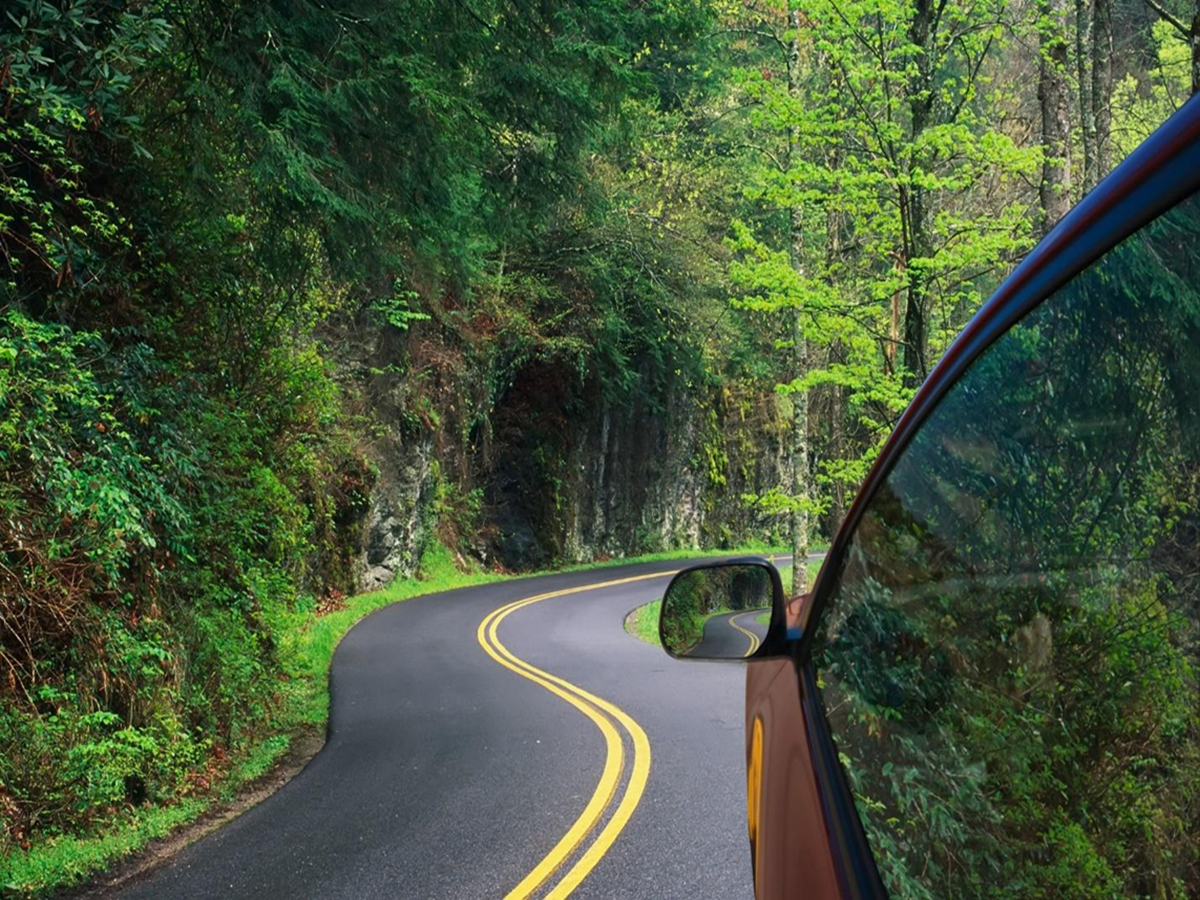
Why Extra Caution is Necessary on Steep Roads
When you drive a car on steep inclines, several crucial parts of the vehicle are put to the test. The clutch, brakes, and transmission system, in particular, are under increased stress. Here are some of the main reasons:
Increased Engine Strain: Driving uphill requires the engine to exert more power. If the engine is not in perfect condition, maintaining speed can be difficult.
Brake Performance: Frequent braking while descending a slope can cause the brakes to overheat and lose their effectiveness—and brakes are most crucial during descents.
Clutch Wear: This is especially true when stuck in traffic on an incline. Improper clutch control or a worn-out clutch can cause the car to stall, roll backward, or jerk.
Reduced Visibility: Mountain roads often have sharp turns or blind curves where the road ahead is not clearly visible. Therefore, being extra vigilant is essential.
In simple terms, safe driving on mountain roads means trusting your vehicle's systems and honing your driving skills.
How to Drive Safely on Hills
1. Choose the Right Gear Before the Climb
As soon as the incline begins, it's best to shift down a gear beforehand. This provides the car with the necessary torque and helps maintain momentum. Changing gears mid-climb (if not done correctly) can cause the car to lose speed.
2. Maintain a Steady Speed
Avoid stopping on a hill whenever possible (unless the cars ahead have stopped). Maintain a consistent speed and avoid over-revving the engine. If you have to stop in a manual car, use the handbrake to prevent the car from rolling backward when starting again. This is the key to a proper hill start. Pay close attention to weather conditions—rain or slippery surfaces require extra caution.
3. Use Proper Clutch Control on Steep Inclines
If you're starting from a standstill on a steep incline, it's crucial to find the right balance between the clutch and accelerator. Release the handbrake gradually and move forward smoothly.
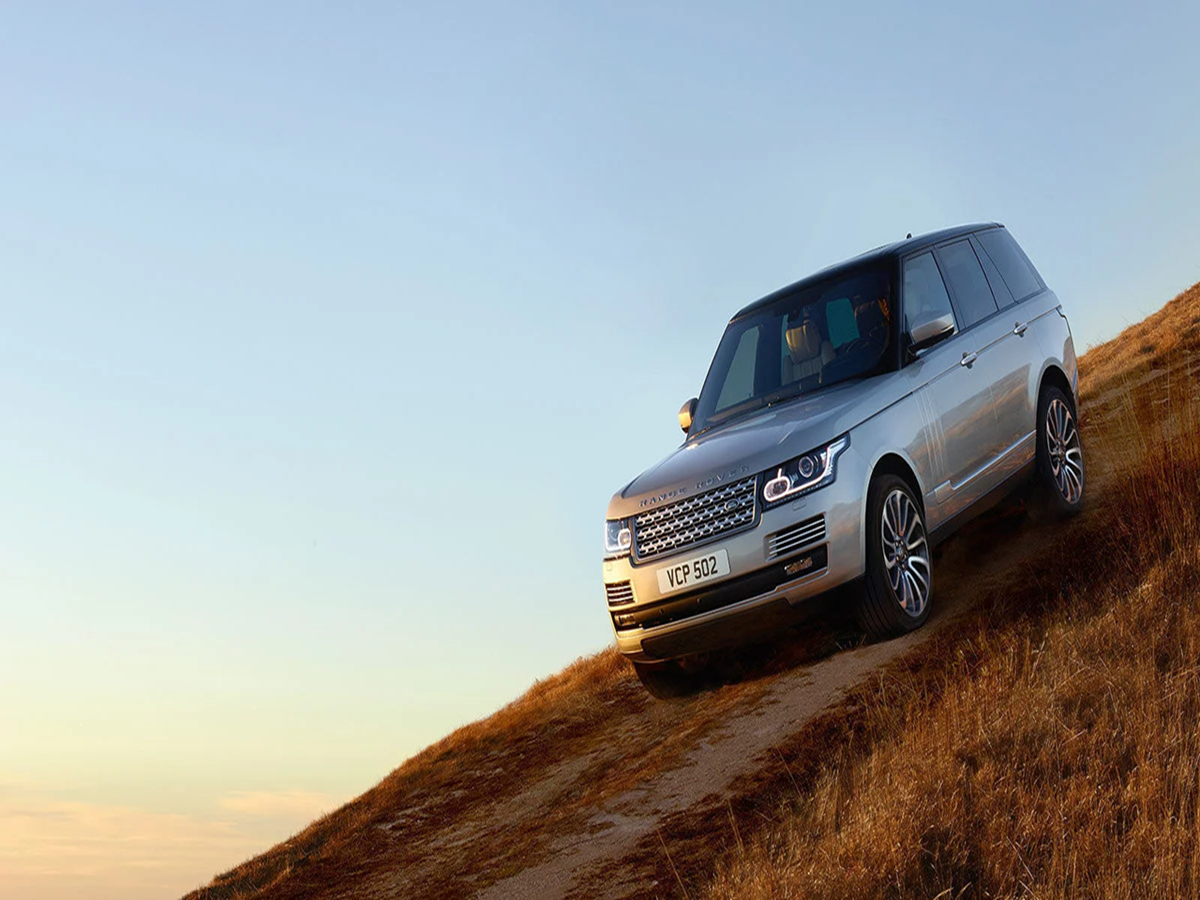
4. Maintain Sufficient Distance
For your safety and the safety of others, maintain a safe distance from the vehicle in front. Cars can roll back slightly on inclines, so avoid tailgating and be patient with the driver ahead.
PC Social Media