LIFESTYLE
After Mahakumbh 2025, it’s now Haridwar’s turn! Find out when the sacred dips will take place during the 2027 Ardh Kumbh..
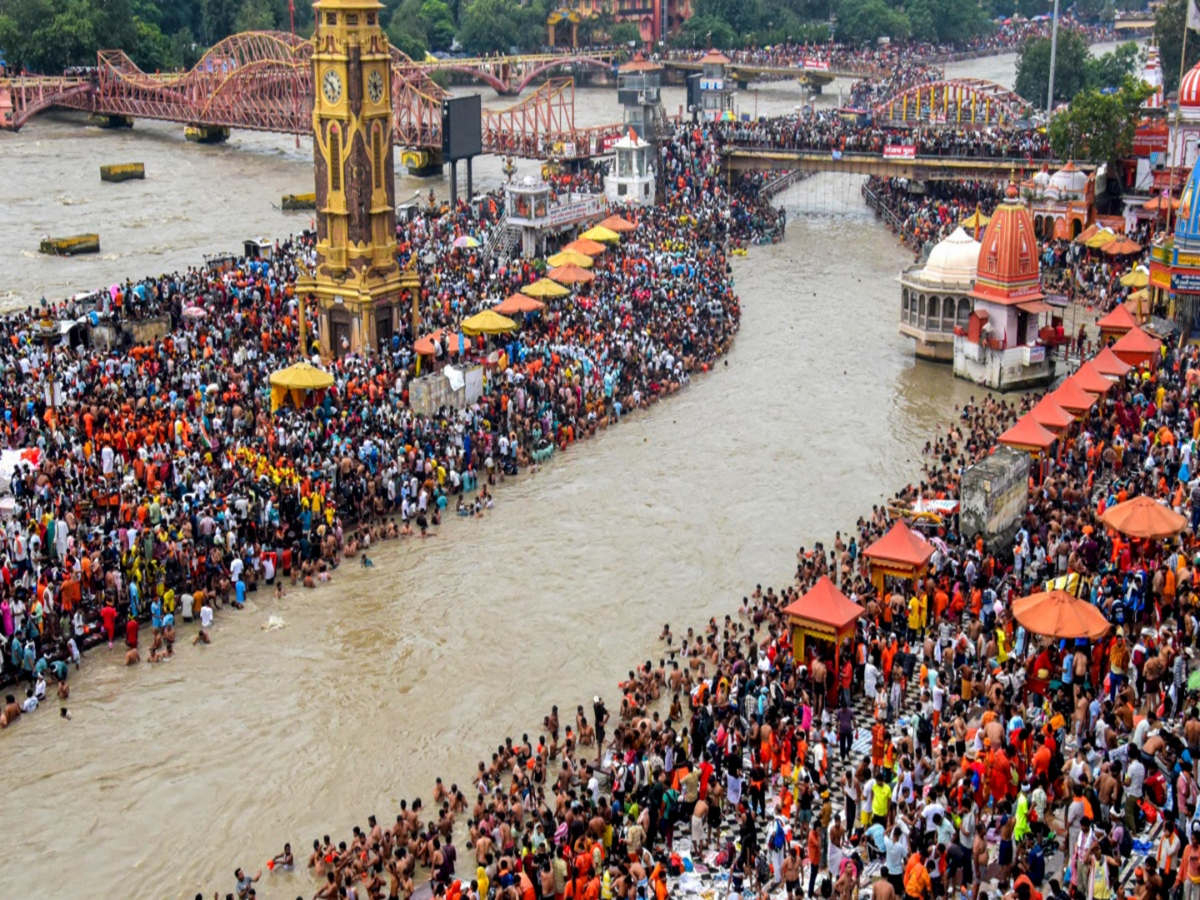
In 2027, the 'Devbhoomi' (land of the gods) of Haridwar will witness a confluence of faith and devotion, as millions of people gather along the banks of the Ganges for sacred ritual baths during the Ardh Kumbh Mela. Some will take a dip in the holy river to attain spiritual merit, while others will arrive in Haridwar specifically for the significant bathing festivals.
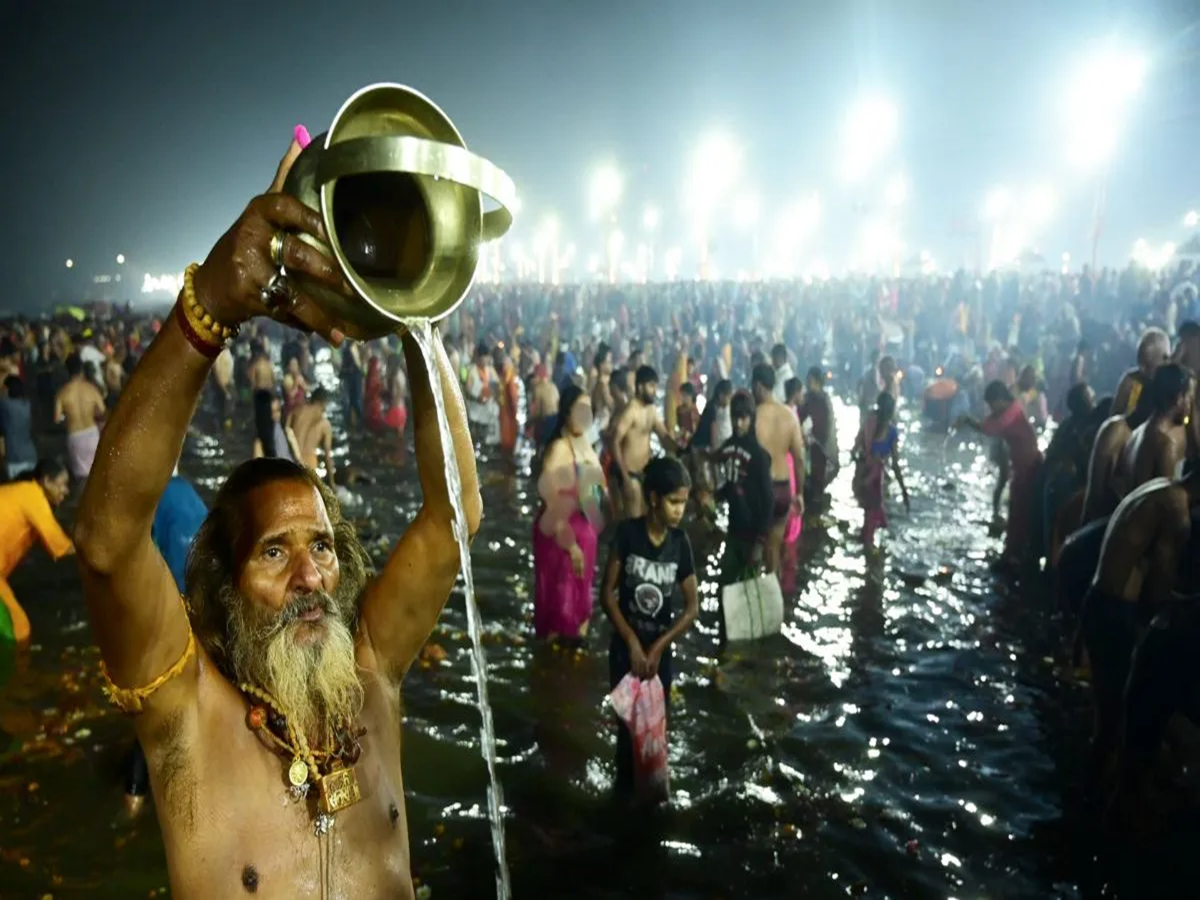
The Mela will feature several major bathing events, among which the 'Amrit Snan' (nectar bath) holds special importance. If you are planning to visit the Haridwar Ardh Kumbh with your friends or family, it is essential to be well-informed about the bathing rituals—specifically, when the holy dips are scheduled and when the first 'Amrit Snan' will take place.
When will the Haridwar Ardh Kumbh 2027 begin?
Preparations for the Haridwar Ardh Kumbh Mela will commence on January 1, 2027. The event, which begins in January, will conclude in April. Notably, January 14, 2027, marks a significant day for a holy dip in the Ganges.
The final bathing event of the Mela will take place on April 20. Throughout this period, there will be 10 major bathing occasions, including 4 opportunities for an 'Amrit Snan'.
When will the 'Amrit Snan' take place during the Haridwar Ardh Kumbh 2027?
March 6, 2027: The first 'Amrit Snan' will occur on Maha Shivratri.
March 8, 2027: The second major bathing event will take place on Phalguna Amavasya.
April 14, 2027: The third 'Amrit Snan' will coincide with Baisakhi.
April 20, 2027: The final 'Amrit Snan' will take place on Chaitra Purnima, marking the conclusion of the major bathing festivals.
When will other significant bathing events take place during the Haridwar Ardh Kumbh 2027? On January 14, 2027, for Makar Sankranti
On February 6, 2027, for Mauni Amavasya
On February 11, 2027, for Vasant Panchami
On April 7, 2027, for the Hindu New Year
On April 15, 2027, for Ram Navami
On February 20, 2027, for Magh Purnima
What is the difference between Ardh Kumbh, Purna Kumbh, and Maha Kumbh?
Ardh Kumbh – The Ardh Kumbh Mela is held at only two locations: Prayagraj and Haridwar. It takes place at an interval of every 6 years.
Purna Kumbh – The Purna Kumbh occurs every 12 years. It is held at four locations in India: Prayagraj, Haridwar, Ujjain, and Nashik-Trimbakeshwar.
Maha Kumbh – A Maha Kumbh is organized after 12 consecutive Purna Kumbhs have taken place. It takes approximately 144 years for 12 Purna Kumbhs to be completed; consequently, a single generation rarely gets to witness a second Maha Kumbh. This is why the Maha Kumbh attracts crowds far larger than those seen at any other major gathering in the world.
During this time, people take a sacred, ritual dip. The last Maha Kumbh took place in 2025, held in Prayagraj. Based on this, the next Maha Kumbh will occur 144 years later, in the year 2169.
What is the significance of bathing at the Kumbh?
It is believed that drops of nectar (amrit) spilled from the *amrit kalash* (vessel of nectar) at Haridwar, Ujjain, Nashik, and Prayagraj. The positions of the Sun, the Moon, and Jupiter are considered when determining the location for the Kumbh Mela.
This is how it is decided where the Purna Kumbh will be held. It is believed that taking a dip in the Ganges during the Kumbh Mela leads to *moksha* (liberation).
The Significance of Bathing in the Ganges at Har Ki Pauri
Devotees visiting Haridwar make it a point to bathe at Har Ki Pauri. The *Brahmakund* located here is considered highly sacred. According to legend, during the *Samudra Manthan* (churning of the ocean), a few drops from the *amrit kalash* (pot of nectar) fell at this very spot. For this reason, people from across the country arrive here to take a holy dip during the Kumbh and Ardh Kumbh Melas.
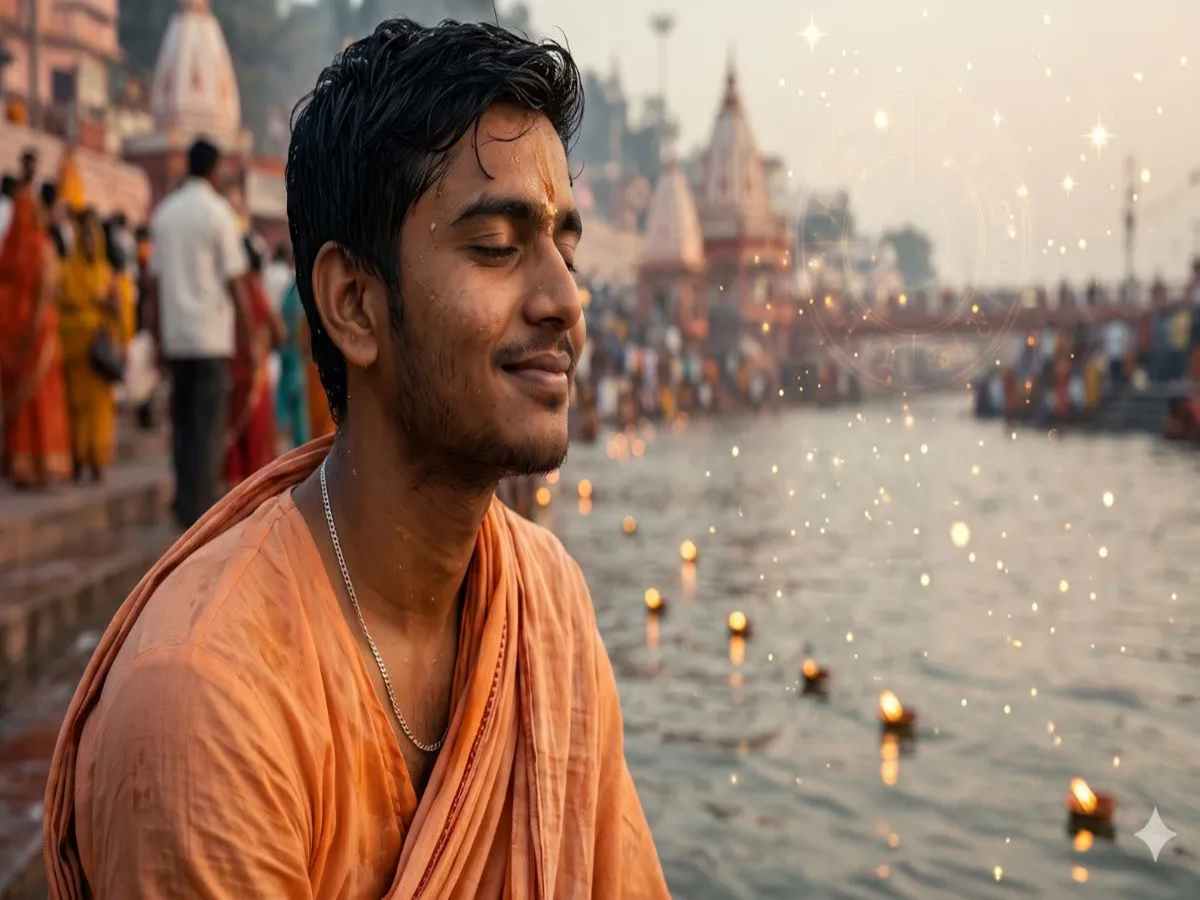
It is said that the *Brahmakund* bears the footprints of Lord Vishnu. Consequently, taking a dip in the Ganges here is believed to grant *moksha* and bring happiness and peace to one’s home. From early morning, crowds of devotees begin to gather at Har Ki Pauri. As evening approaches, the *Ganga Aarti* and the ritual of *deepdaan* (offering lamps) create a truly remarkable spectacle.
PC Social Media