LIFESTYLE
Breast Cancer: Are you at risk of breast cancer? Be sure to check this while getting dressed; it could prevent serious trouble..

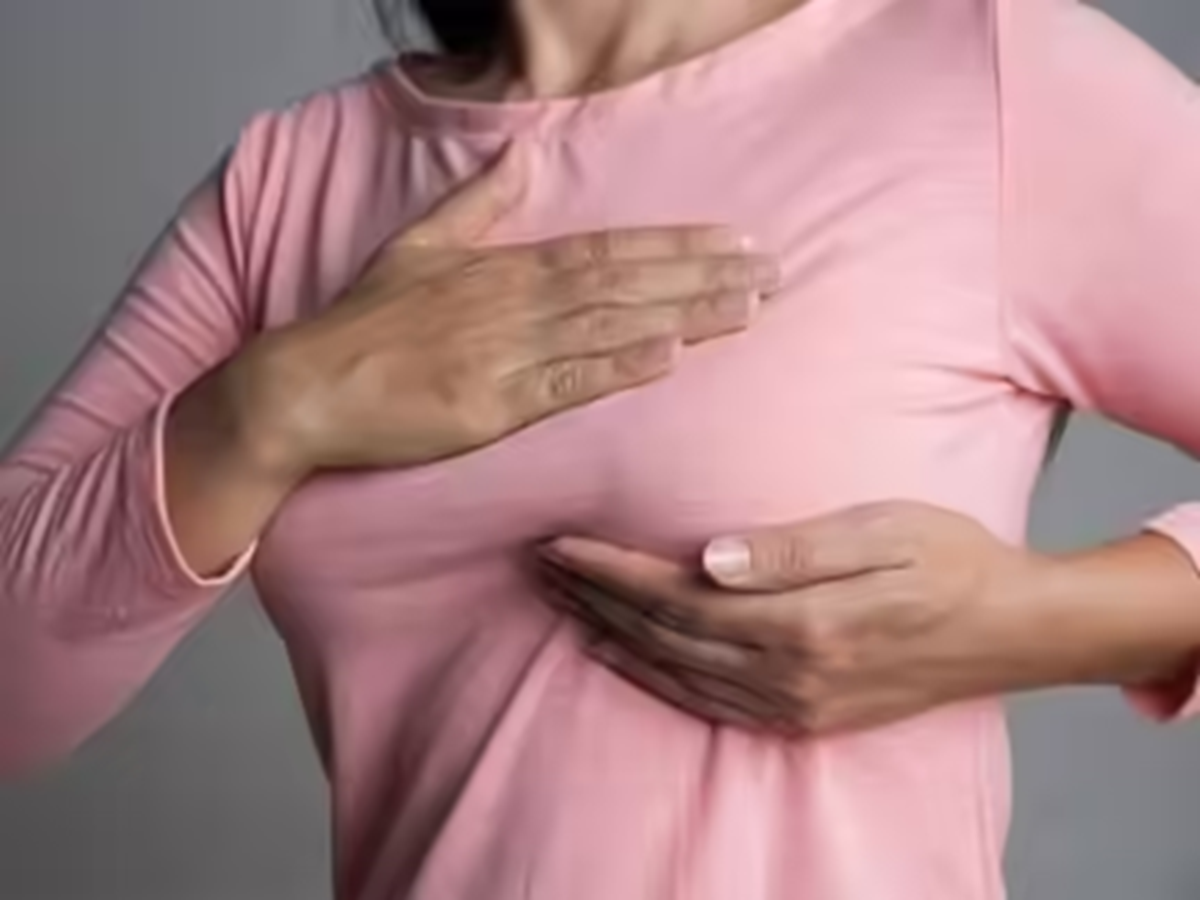
Today, breast cancer is one of the fastest-growing diseases among women. Therefore, doctors are emphasizing the importance of breast self-awareness. This doesn't mean performing examinations on a specific day or according to a fixed schedule, but rather understanding your body and paying attention to any changes. When a woman knows how her breasts normally look and feel, any unusual changes can be detected early.

Until a few years ago, women were advised to perform monthly breast self-examinations. However, about 20 years ago, the American Cancer Society stopped recommending this for women at average risk. This was because self-examinations did not lead to the detection of additional cancer cases in women who were already undergoing regular mammograms. Furthermore, it led to unnecessary fear and anxiety among women about every minor change, especially in those with naturally dense or lumpy breasts.
The goal of breast self-awareness is not to create fear, but to increase understanding. It doesn't require a specific date or method of examination. It's a part of everyday life. This includes noticing differences in breast shape while changing clothes in front of a mirror, feeling a lump while wearing a bra, or experiencing persistent pain in a particular area while bathing or lying down. Sometimes, partners are the first to notice such changes, so their observations should not be ignored.
According to doctors, if you notice a new lump, thickening, nipple retraction, unusual discharge from the nipple, dimpling of the skin, redness, changes in size, or persistent pain in one area of the breast, you should contact a doctor immediately. It's important to remember that not every lump is cancerous. In many cases, it can be due to hormonal changes, cysts, or other benign conditions. However, if a change persists or gradually worsens, getting it checked is crucial.
It's also important to understand that self-awareness does not eliminate the need for medical examinations. Mammograms remain the most reliable method for the early detection of breast cancer. They can detect cancers that are too small to be felt by hand. Women are generally advised to have a mammogram once a year or every two years after the age of 40 or 45. However, the recommended age and frequency of screening may differ for women with a family history of breast cancer, those with genetic risk factors, or those with dense breasts.
PC Social Media