LIFESTYLE
Caution: Could it be breast cancer even if you don't feel a lump? Pay attention to these signs too..
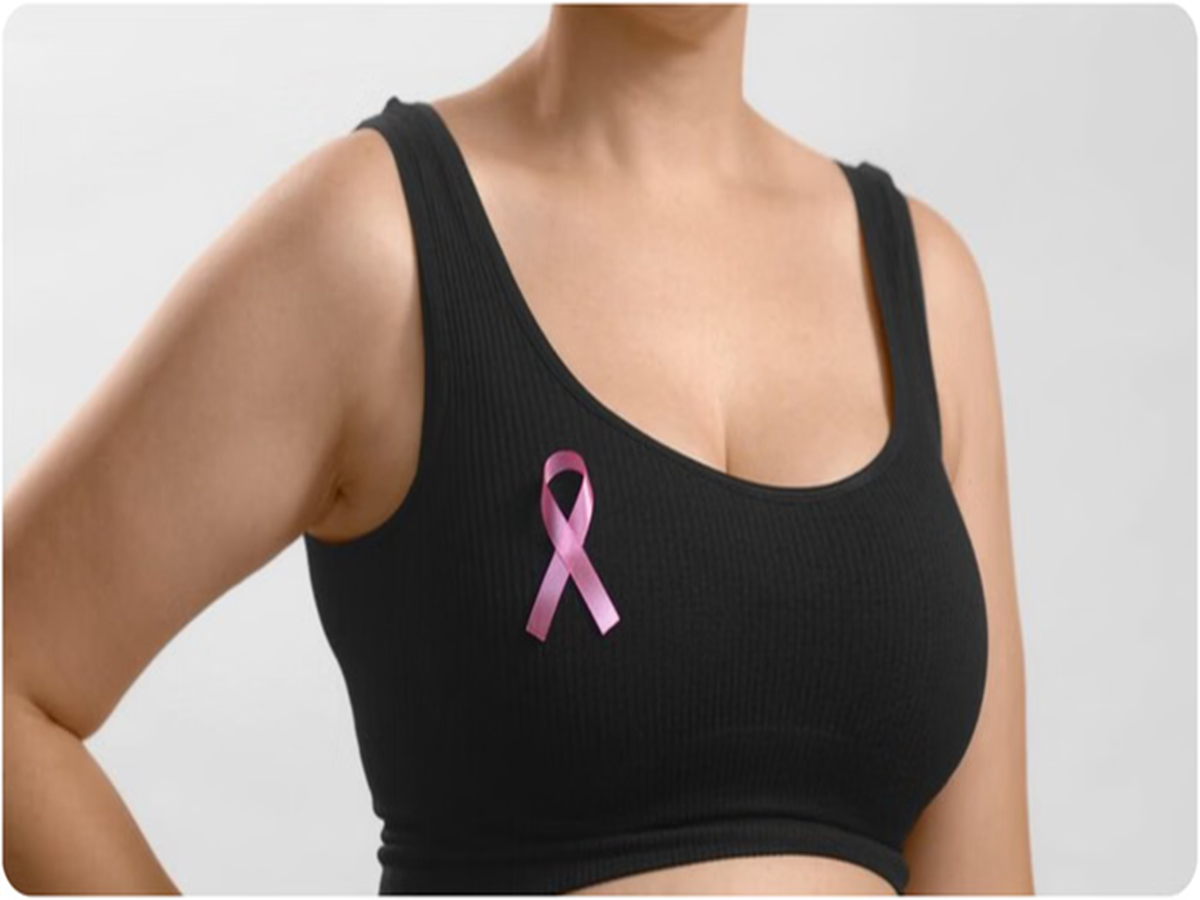
Breast cancer is the most common cancer among women worldwide. According to World Health Organization reports, an estimated 2.4 million new cases are diagnosed annually, resulting in 694,000 deaths. Health experts advise against the misconception that breast cancer is solely an age-related issue; women of all ages—even those under 30—can be at risk.

Given that the risk affects women across all age groups, young women should regularly examine their breasts. If anything unusual is observed, one should consult a doctor immediately.
When breast cancer is mentioned, most women immediately think of a breast lump. While health experts confirm that a lump is indeed a serious sign requiring timely attention, the absence of a lump does not rule out the risk of cancer in many cases.
**Issues Regarding Breast Lumps**
Health experts note that breast cancer does not always present with a palpable lump; other bodily changes may occur instead. Signs of potential risk include the nipple retracting (pulling inward), dimpling of the breast skin, sudden changes in breast size, or fluid discharge from the nipple.
Conversely, persistent pain or the sensation of a new lump in the breast does not necessarily mean you have cancer.
Various non-cancerous conditions can also cause such symptoms. Therefore, any unusual changes felt in the breast should be taken seriously.
**Changes in the Nipple?**
Many breast cancer patients experience symptoms such as the nipple suddenly retracting inward, or redness and scaling of the skin around the nipple.
Changes such as the discharge of non-milky fluid from the nipple may also occur.
If the discharge contains traces of blood, consult a doctor immediately—though it is worth noting that such symptoms do not always indicate cancer. Pay attention to these signs as well:
Take note of serious changes such as dimpling of the breast skin, the skin appearing thickened or swollen, or alterations in its texture.
A sudden change in breast size is also considered a warning sign that necessitates a medical examination.
Additionally, do not ignore a new lump or swelling in the armpit, or persistent pain in any part of the breast.
Recognizing these signs early can help prevent the condition from worsening or reduce the risk of serious complications.
Health experts advise consulting a doctor if you notice any unusual changes in your breasts. Screening mammograms can detect cancers that are not yet palpable. Early detection increases the chances of successful treatment and helps avoid serious risks.
PC Social Media