Parenting
Children never forget these 5 things their parents did as they grow up; they leave a profound impact on their personality..

Good Parenting Habits: Every parent desires that their child grow up to be not only successful but also a good human being. To achieve this, they strive to provide a quality education, better amenities, and every necessity. However, raising children is not limited merely to providing expensive schools, toys, or gifts. The real impact stems from the small details—the everyday interactions and experiences that children observe and absorb from their parents. Often, a loving word, support during a difficult time, or a brief moment spent with the family leaves an indelible mark on a child's heart.

These very experiences eventually become integral parts of their mindset, self-confidence, and behavior. Experts, too, acknowledge that the environment during childhood exerts a profound influence on a child's emotional development. Consequently, there are certain habits that children never forget—habits that ultimately serve as the foundation of their personality.
**Listening Attentively to Children Builds Their Self-Confidence**
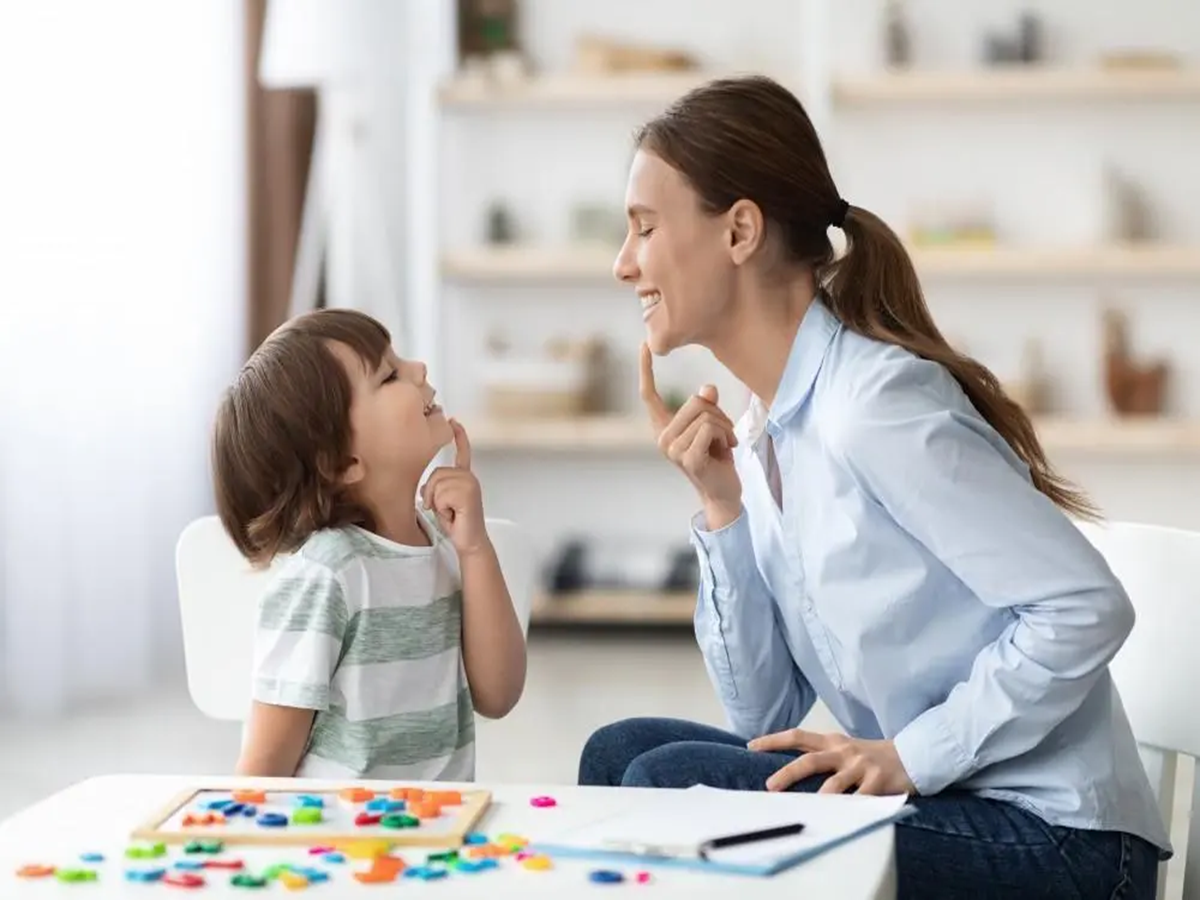
It is often observed that children are eager to share the little details of their lives with their parents with great enthusiasm—be it a story from school, anecdotes about friends, or a minor achievement. However, due to busy lifestyles, parents are frequently unable to listen to them with the seriousness they deserve. Gradually, children begin to feel ignored or overlooked.
Conversely, in households where parents listen attentively to their children, the children learn to express their emotions openly. They become more self-assured and do not hesitate to voice their opinions in front of others. Psychologists affirm that being heard is absolutely vital for a child's psychological development. This specific habit—the knowledge that their parents valued their feelings—remains with them throughout their entire lives.
**The Habit of Expressing Affection Makes Children Emotionally Resilient**
Many parents love their children deeply but struggle to express that love openly. Yet, for children, simply being loved is not enough; they also need to *feel* that love. When parents hug their child, offer words of praise, or speak to them with affection, the child experiences a profound sense of security and belonging. In today's fast-paced world, where the pressure of academics and competition on children is constantly mounting, emotional support serves as a vital source of strength. The affection received during childhood helps them, later in life, to better understand relationships and to cultivate sensitivity toward others. Even after they have grown into adults, children never forget that sense of warmth and belonging provided by their parents.
**Guiding Rather Than Scolding Leaves a Positive Impact**
It is perfectly normal for children to make mistakes—whether it involves an error in their studies, accidentally breaking something, or engaging in some mischief. In many households, children are scolded over trivial matters, causing them to become fearful and prompting them to start concealing things from their parents. However, there are also parents who, instead of reacting with anger, choose to gently guide and reason with their children. They offer them the opportunity to rectify their errors. It is precisely this approach that fosters a sense of respect in the child's mind. Children come to realize that, even during difficult times, their parents never abandoned them. Real life offers numerous examples where children raised with such understanding and wisdom went on to become more responsible and mentally resilient adults. Therefore, exercising patience is considered essential in the practice of parenting.
**Time Spent with Family Becomes the Most Cherished Memory**
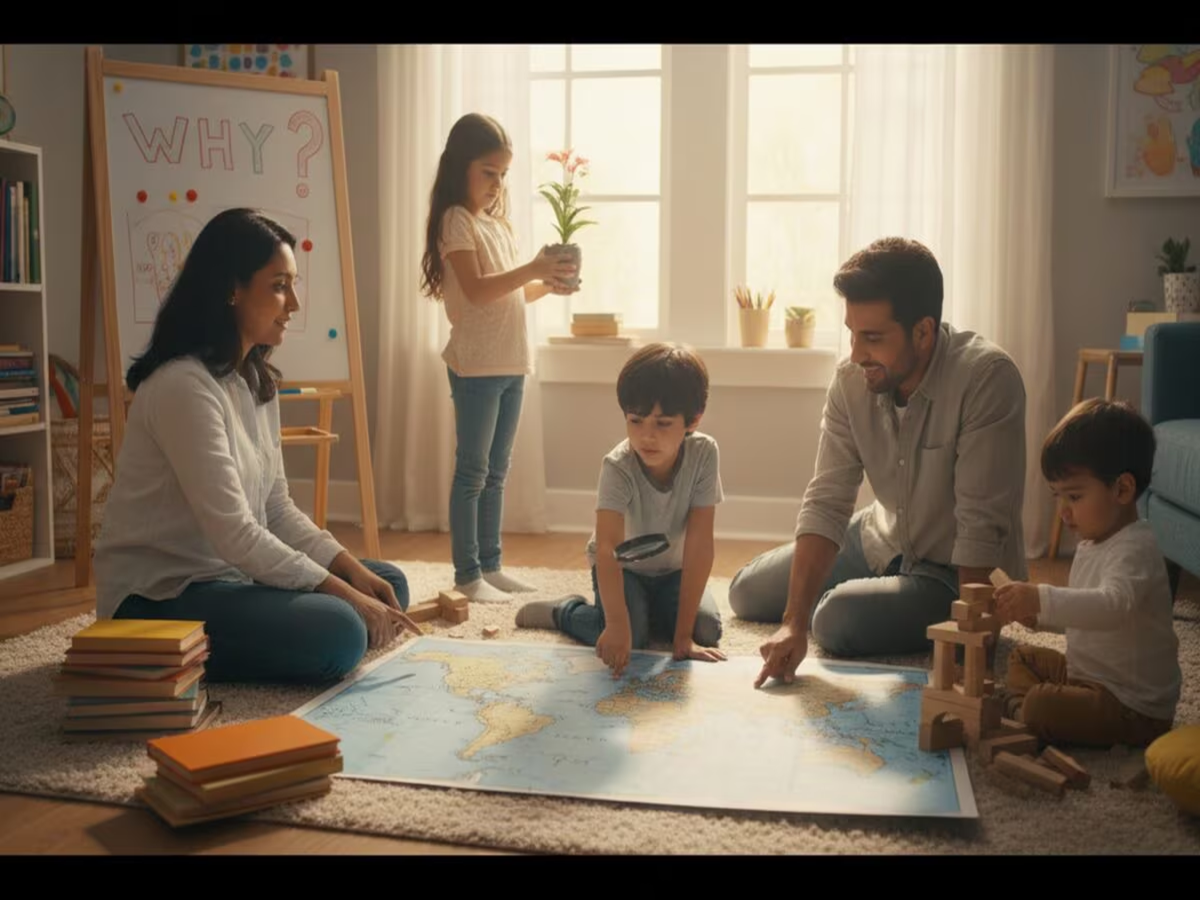
In the hustle and bustle of modern life, the scarcity of time is perhaps the most noticeable deficiency. Parents are often engrossed in their work, while children are absorbed in their mobile phones or television screens. Yet, for children, the greatest joy lies in those small, fleeting moments spent with their family. Sharing a meal, chatting in the evening, going out for an excursion on a holiday, or simply laughing together without any specific reason—these moments become permanently etched in a child's heart. Many adults, even today, regard these very family memories from their childhood as their most cherished treasures. Experts suggest that "family time" provides children with a sense of emotional security and instills in them an understanding of the true value of relationships. It is these very memories that serve to keep them connected to their family as they navigate through life.

Children Learn What They See at Home
Parents' behavior has a far greater impact on children than mere instruction. If people in the home speak to one another with respect, help those in need, and value honesty, children will naturally adopt these same habits. Often, parents wish to instill good values in their children, yet they themselves display anger, engage in arguments, or exhibit inappropriate behavior. In such instances, children learn not from words, but from actions. Therefore, if you want your child to grow into a compassionate and good human being, you must begin with yourself. It is precisely this behavior of parents that leaves a deep impression on a child's mind—an impression they carry with them throughout their lives.
Children do not always remember expensive gifts or lavish comforts; rather, it is their parents' love, time, and conduct that stay with them for a lifetime. These small experiences gathered during childhood ultimately shape their mindset, self-confidence, and understanding of relationships. Thus, the foundation of good parenting lies in the small, everyday habits practiced at home.
PC Social Media