Food & recipe
Cooking Tips: Want perfectly puffed-up pooris like the ones made by professional halwais? Avoid making these 5 mistakes..
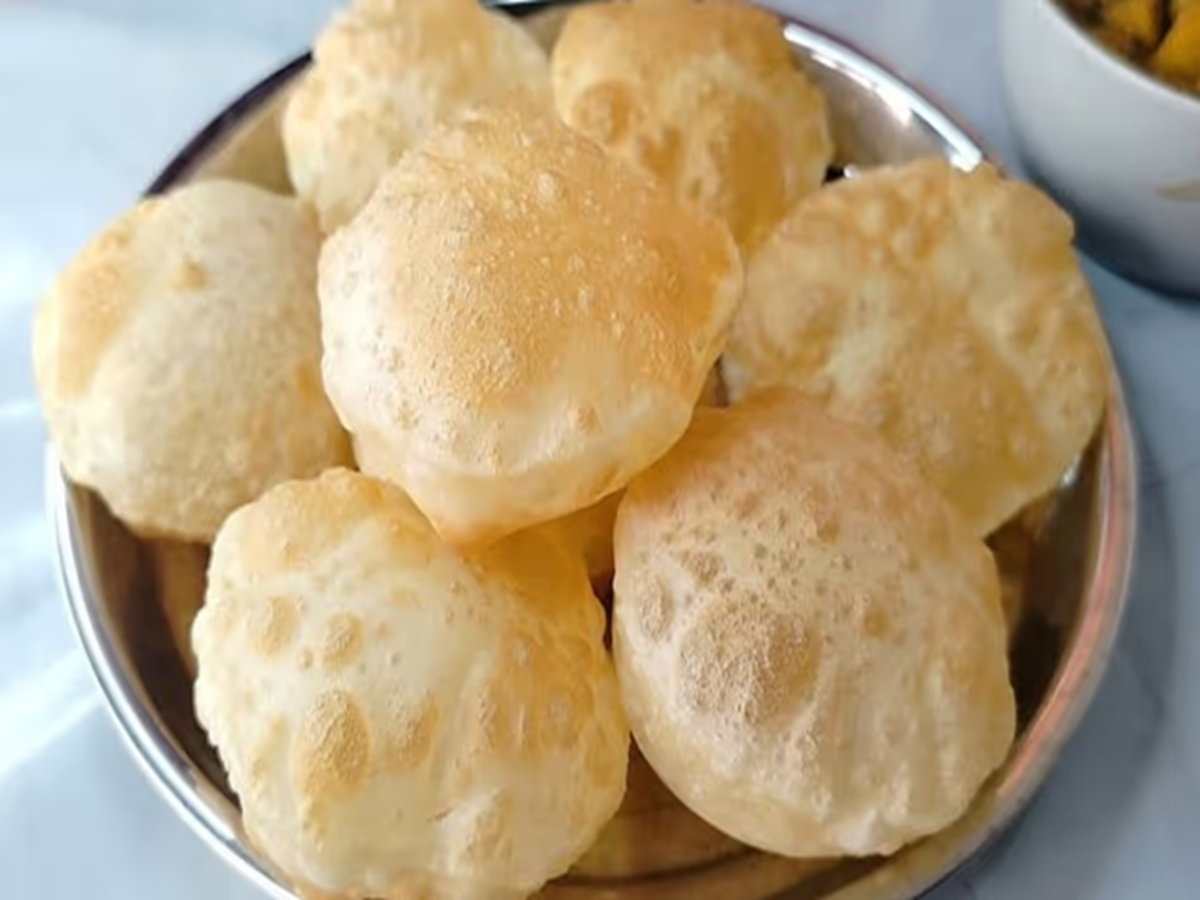
How to Make Puri: Piping hot, puffed-up puris instantly elevate the taste of any meal. Whether it is a festival, a special weekend lunch, or a feast for guests, puris and kachoris are favorites in almost every Indian kitchen. However, despite all the effort, puris sometimes fail to puff up, turning out hard, flat, or oily instead. This is often due to minor errors ranging from how the dough is kneaded to the oil temperature and the rolling technique.
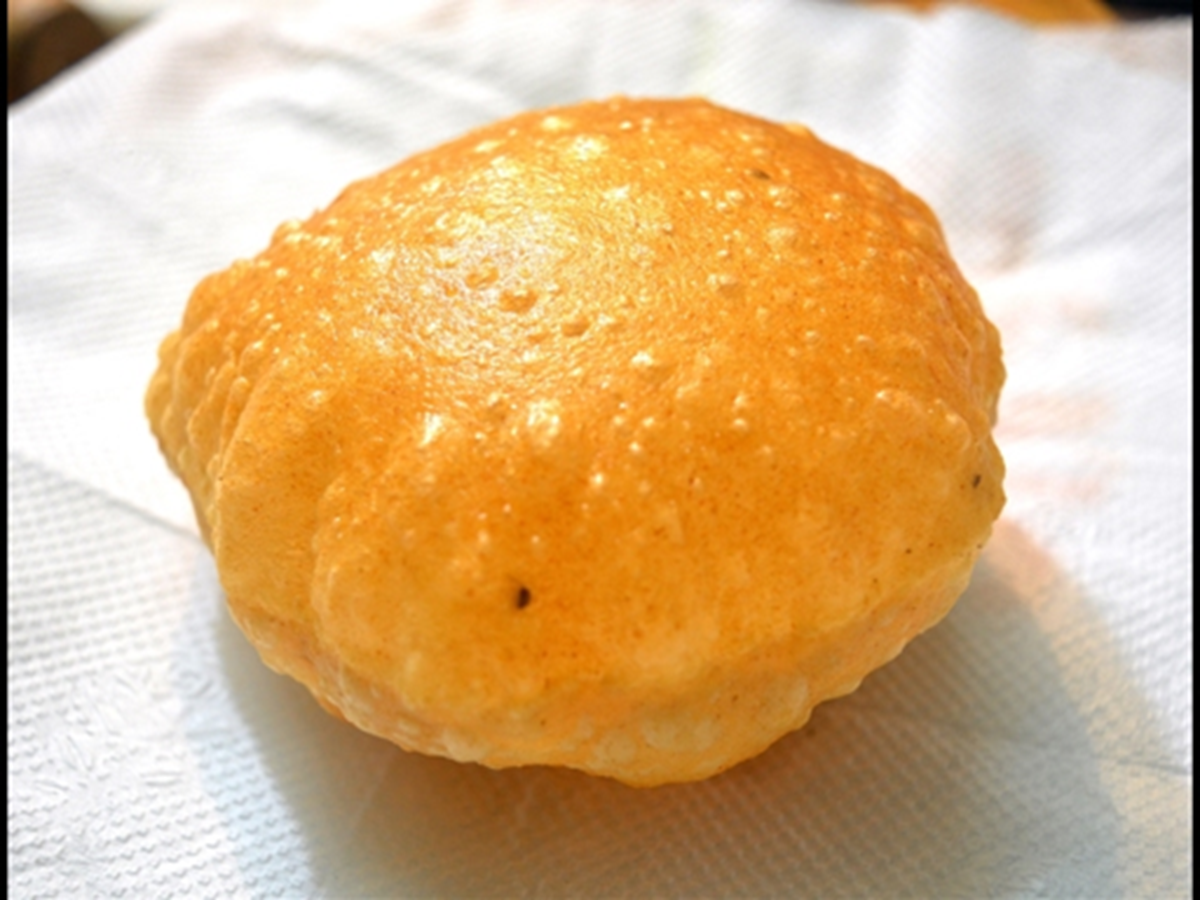
The good news is that by following a few simple kitchen tips, you can make perfectly puffed and crispy puris—just like the ones from the market—every time. If you have ever wondered why your puris don't puff up, read on to discover the common mistakes, the correct method, and easy tips to achieve the perfect puri.
1. Kneading the dough too soft
To make puffed puris, the first thing to focus on is the right consistency of the dough. Many people knead the dough for puris just as they would for rotis (making it very soft); as a result, the puri stays flat instead of puffing up when dropped into the hot oil.
The dough for puris should be slightly firm so that it holds its shape while rolling and allows steam to build up inside during frying. Add water gradually while kneading and work the dough thoroughly. Adding a little salt and a spoonful of oil or ghee can enhance both the flavor and texture of the puris.
2. Letting the dough sit for too long
Leaving the puri dough to rest for an extended period alters its moisture content. This can cause the dough to become loose or slack, preventing the puris from puffing up correctly during frying.
If you are planning to make puris, try to roll and fry them shortly after kneading the dough. If you must let the dough sit, keep it covered to prevent the surface from drying out.
3. Incorrect oil temperature
The temperature of the oil plays a crucial role in making the *poori* puff up. If the oil isn't hot enough, the *poori* will fry slowly and absorb excess oil, potentially becoming heavy and flat.
Conversely, if the oil is too hot, the *poori* will brown quickly on the outside but may remain raw on the inside. The right approach is to heat the oil thoroughly first and then maintain a medium flame. Once you drop the *poori* in and it starts to rise to the surface, press down on it gently.
4. Rolling the *poori* too thin or too thick
The thickness of the *poori* is also vital for it to puff up properly. If it is rolled too thin, it may turn crispy instead of puffing up fully. On the other hand, if it is too thick, it won't cook properly on the inside.
Avoid rolling the *poori* either too thin or too thick. Try to keep the size and thickness consistent across all the *pooris* so that they cook evenly and puff up well.
5. Not using the right frying technique
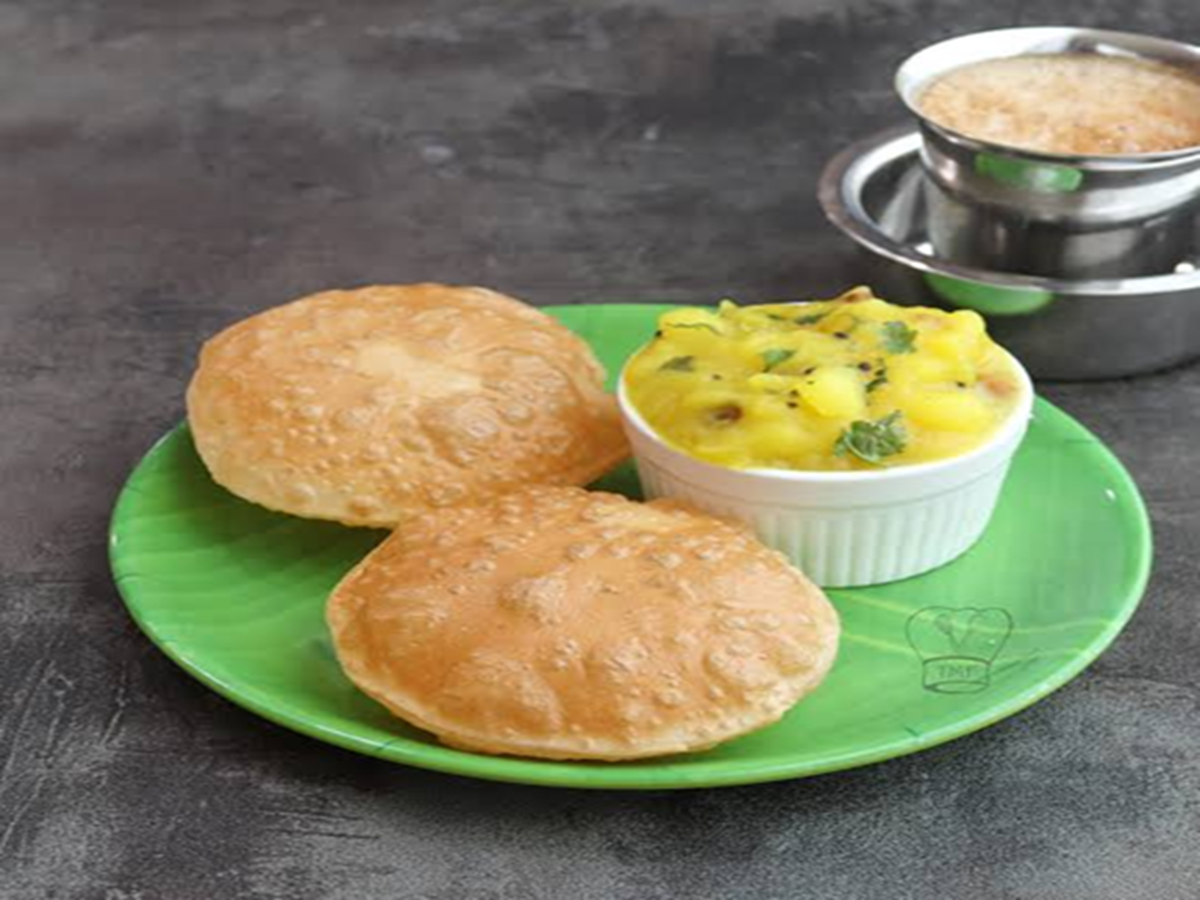
Sometimes, even with the perfect dough and oil, the *poori* fails to puff up due to an incorrect frying technique. After dropping the *poori* into the oil, immediately apply gentle pressure using a slotted spoon or ladle. This causes the *poori* to puff up like a balloon due to the hot oil and steam.
Fry the *poori* until it turns golden brown on both sides, but do not leave it in the oil for too long. This ensures the *poori* turns out crispy and delicious.
PC Social Media