LIFESTYLE
Coronavirus: What are the symptoms of the new PJ.2.1 variant, and will you need to get vaccinated again? Find out..
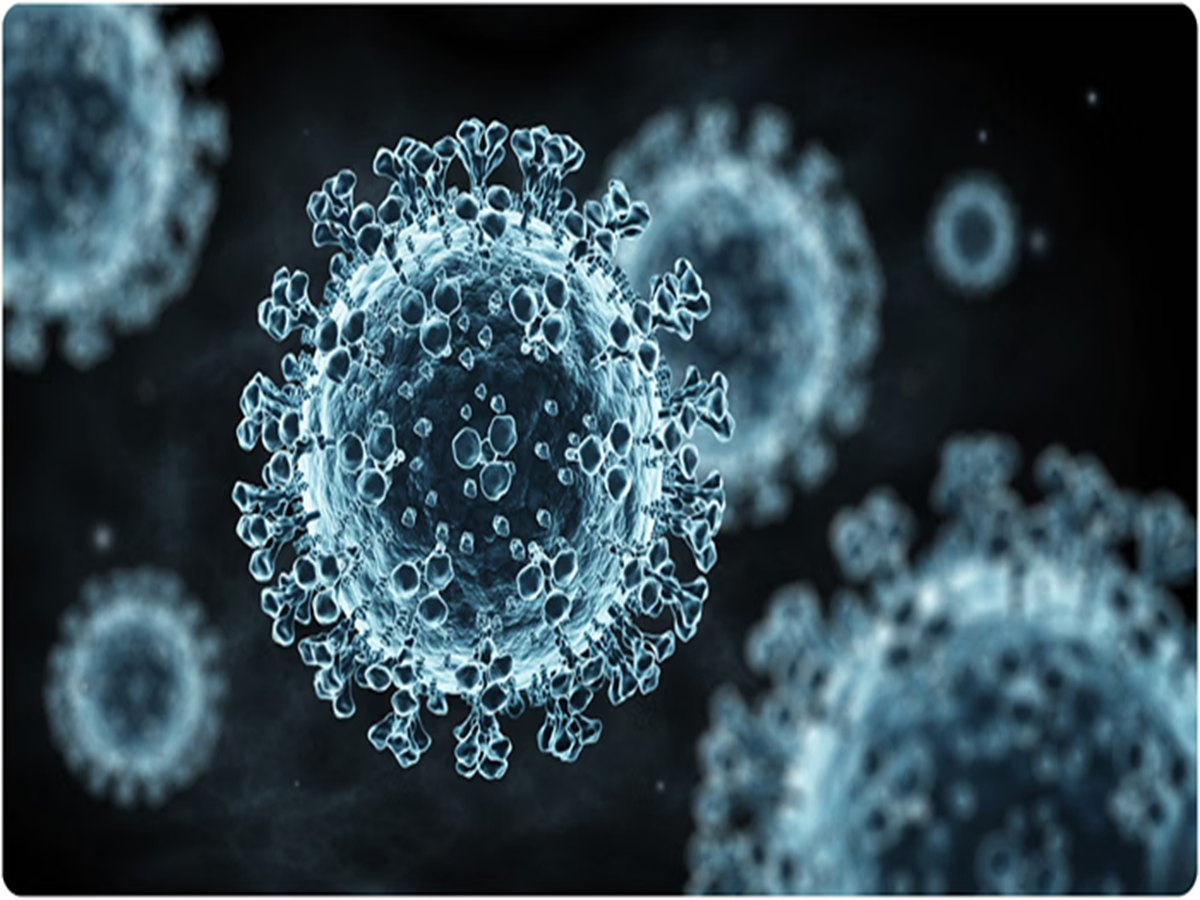
The coronavirus keeps returning, periodically emerging with new mutations. For about a year, the rate of infection had remained quite stable; however, the virus has now resurfaced with a new variant, raising concerns among experts. A recent report published in *Amar Ujala* highlighted the PJ.2.1 variant, which, according to reports, has now spread to 18 countries. It features 24 mutations in its spike protein.

With the emergence of this new variant, several questions have arisen among the public. Are there any new symptoms associated with this variant, and will people need to get vaccinated again to protect themselves against it? In short, how concerning is this new form of the coronavirus?
If you have these same questions, let’s explore the details.
The New Coronavirus Variant: PJ.2.1
According to medical reports, a new variant of SARS-CoV-2 (the coronavirus), designated as PJ.2.1, has been circulating since May 2026. It was first detected in Canada, subsequently spreading to the United States. Until now, it remained unclear to scientists how easily PJ.2.1 can enter human cells, and how effective the body’s existing antibodies—protective proteins that combat the virus—are at neutralizing it.
To investigate this new threat, a study was conducted under the leadership of infection biologists Markus Hoffmann and Stefan Pöhlmann at the German Primate Center—Leibniz Institute for Primate Research. The findings have raised further concerns regarding this variant.
What did the study reveal? In the study, scientists found that, compared to other variants identified so far, PJ.2.1 can bind more strongly to the ACE2 receptor—the gateway through which the coronavirus enters human cells.
Furthermore, it is more effective at entering cells that have very low levels of the ACE2 receptor.
Despite these changes, antibodies generated by existing booster vaccines (formulated based on the XFG variant) successfully neutralized this new variant.
These findings indicate that vaccinations administered to date provide protection against PJ.2.1.
However, the situation could change if the variant undergoes further mutations that allow it to evade the immune response.
Are there any changes in symptoms?
Research indicates that PJ.2.1 is spreading rapidly in Canada, the United States, and Spain, with cases also rising in the Netherlands and France. COVID-19 infections continue to be reported in significant numbers, and this variant can infect people of all ages. However, there is currently no evidence to suggest that PJ.2.1 causes more severe illness or presents with symptoms different from those of other coronavirus variants.
Individuals infected with PJ.2.1 have reported symptoms such as fever, cough, sore throat, fatigue, headache, and body aches. No severe complications have been observed in those infected with this variant so far.
Nevertheless, experts note that individuals with pre-existing comorbidities or significantly weakened immune systems may be at risk of developing more severe symptoms if infected.

What do the researchers say?
Markus Hoffmann, a scientist at the German Primate Center—Leibniz Institute for Primate Research—states that the results of their research indicate that the PJ.2.1 variant could spread globally, as it possesses the ability to bind more strongly to the ACE2 receptor.
We believe that a vaccine developed against the XFG variant could provide effective protection not only against PJ.2.1 but also against other variants currently in circulation.
However, this protection is expected to remain effective only until the virus undergoes new mutations that enhance its ability to evade antibodies.
PC Social Media