LIFESTYLE
Decorate your home according to Vastu principles this Diwali to please Goddess Lakshmi and invite happiness and prosperity..
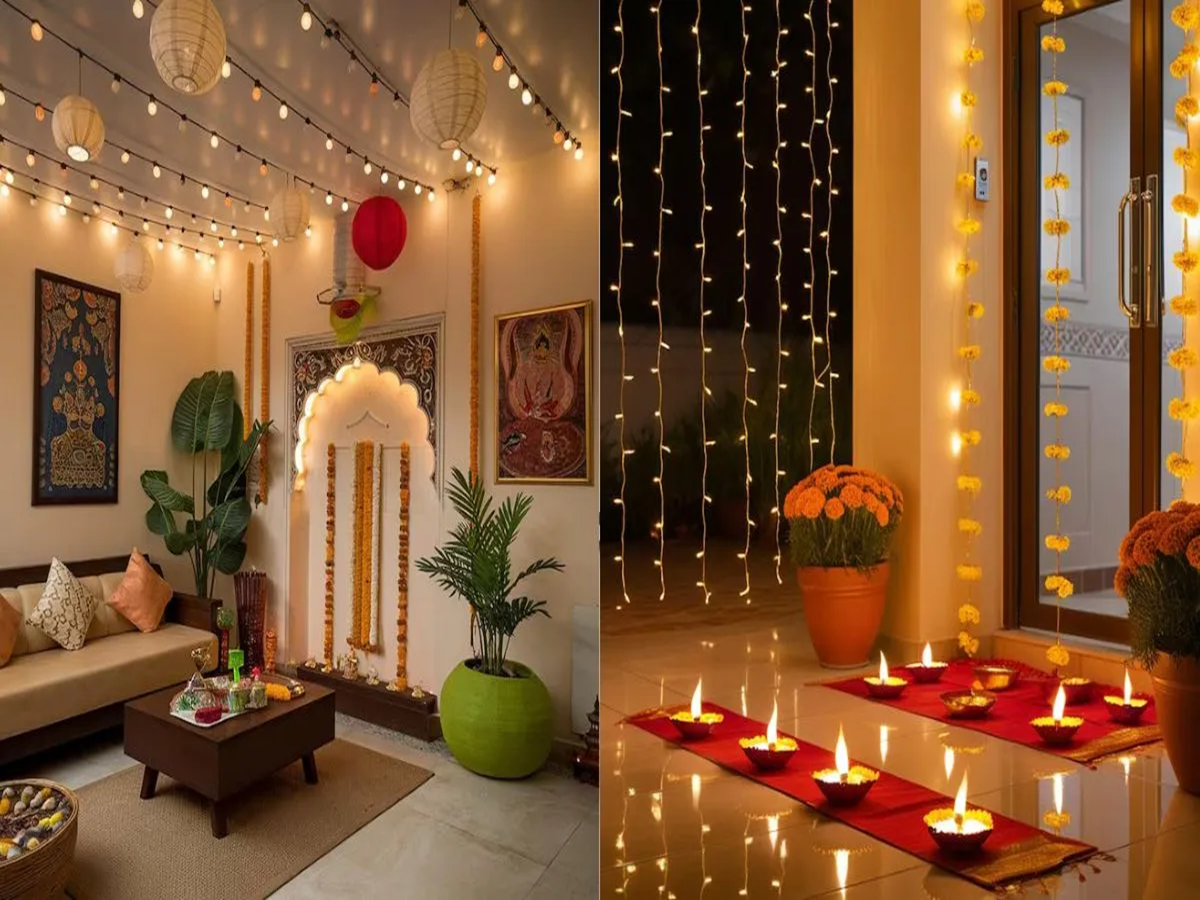
Diwali, one of the most significant festivals in Hinduism, involves the worship of Goddess Lakshmi and Lord Ganesha. According to religious beliefs, Goddess Lakshmi visits the homes of her devotees on this day, bestowing upon them the blessings of happiness and prosperity. For this reason, people clean their homes before Diwali and decorate them with flowers, *rangoli*, and *diyas* (earthen lamps). However, it is also important to keep certain *Vastu* principles in mind while decorating your home.
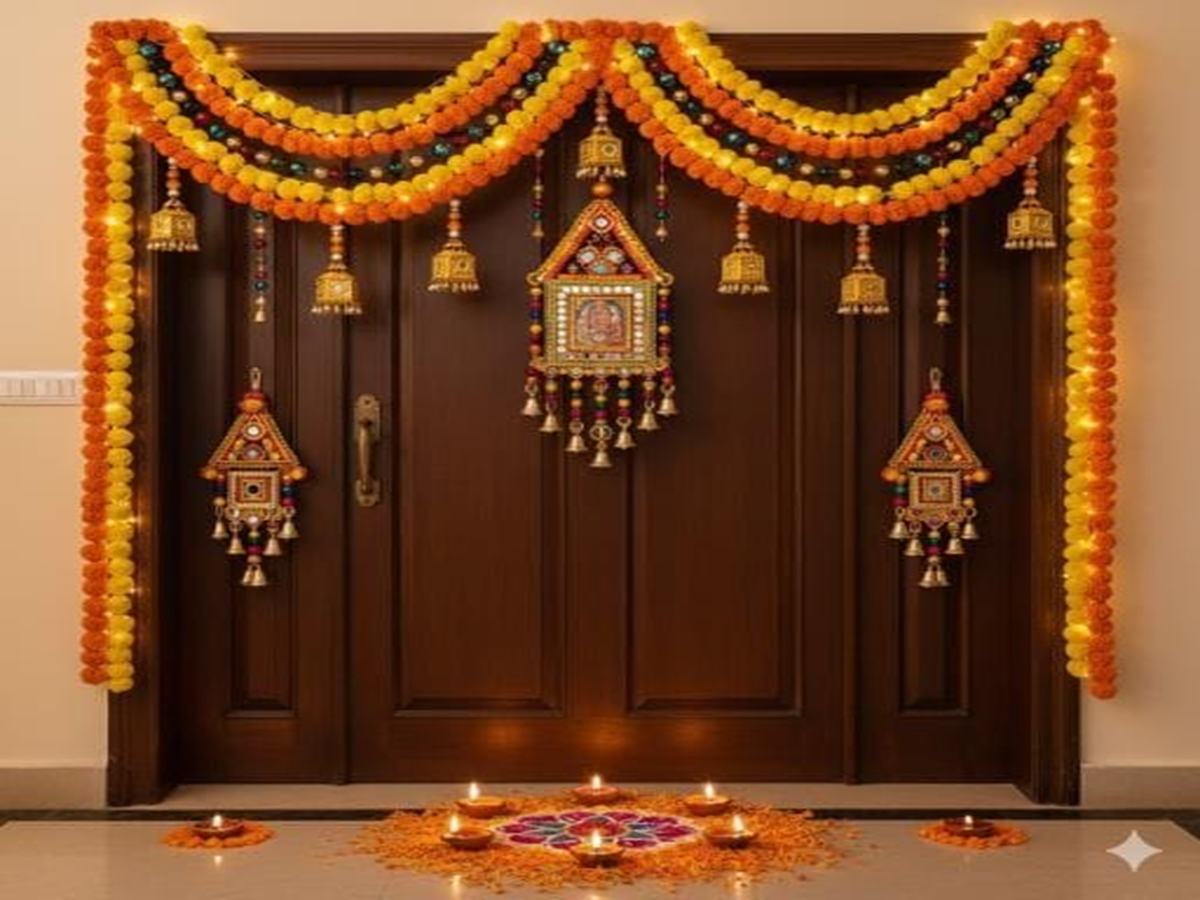
According to *Vastu Shastra*, the main entrance, the place of worship, and the various directions within a home are linked to positive energy. If you wish to beautify your home this Diwali while also inviting happiness and prosperity, you can follow a few simple *Vastu* tips. Let us explore how you should decorate your home for Diwali.
Keep the main entrance clean and beautiful
In *Vastu Shastra*, the main entrance is considered a vital part of the home. It is believed that positive energy enters the house through this entrance. Therefore, ensure that the main entrance is thoroughly cleaned on Diwali. Do not allow footwear, trash cans, or unwanted items to accumulate near the doorway. To enhance the beauty of the entrance, you can hang garlands of marigold flowers. Additionally, you may use a *toran* (decorative hanging) made of mango or Ashoka leaves; this will make the entrance look attractive.
Draw a *Swastika* at the main entrance
In Hinduism, the *Swastika* is considered a symbol of auspiciousness and well-being. On Diwali, you can draw a *Swastika* or the *Om* symbol on both sides of the main entrance. Use *roli* (vermilion), turmeric, or *kumkum* for this purpose.
According to religious beliefs, drawing a *Swastika* brings auspiciousness into the home. You may also choose to write "Shubh-Labh" (signifying auspiciousness and prosperity) near the doorway.
Keep the *Ishaan Kona* (northeast corner) clean
In *Vastu Shastra*, the northeast direction—known as the *Ishaan Kona*—is accorded special significance. This direction is considered auspicious for worship and spiritual activities. Therefore, ensure this corner of your home is thoroughly cleaned before Diwali. Do not allow broken items, old containers, unused furniture, or clutter to accumulate here. Try to keep this space open and organized. If your home’s place of worship is located in this direction, decorate it with flowers and lamps (diyas).
Place the idols of Goddess Lakshmi and Lord Ganesha in the correct direction.
When preparing for the worship of Goddess Lakshmi and Lord Ganesha on Diwali, place their idols on a clean, raised platform (chowki). According to Vastu Shastra, the home’s place of worship should ideally be in the north or east direction. Spread a clean red or yellow cloth over the platform, then place the idols of Goddess Lakshmi and Lord Ganesha upon it. Ensure that there is no dirt or unnecessary clutter around the worship area.
Light lamps in the appropriate places throughout the home.
Lighting lamps (diyas) is the most significant aspect of Diwali. The lamp symbolizes light, auspiciousness, and the triumph of light over darkness. On this day, light lamps at the main entrance, the place of worship, on balconies, and in the courtyard. According to Vastu Shastra, lighting a lamp at the home’s entrance is considered highly auspicious. You may use a ghee-lit lamp for the place of worship, while oil-lit lamps can be used in other parts of the house.
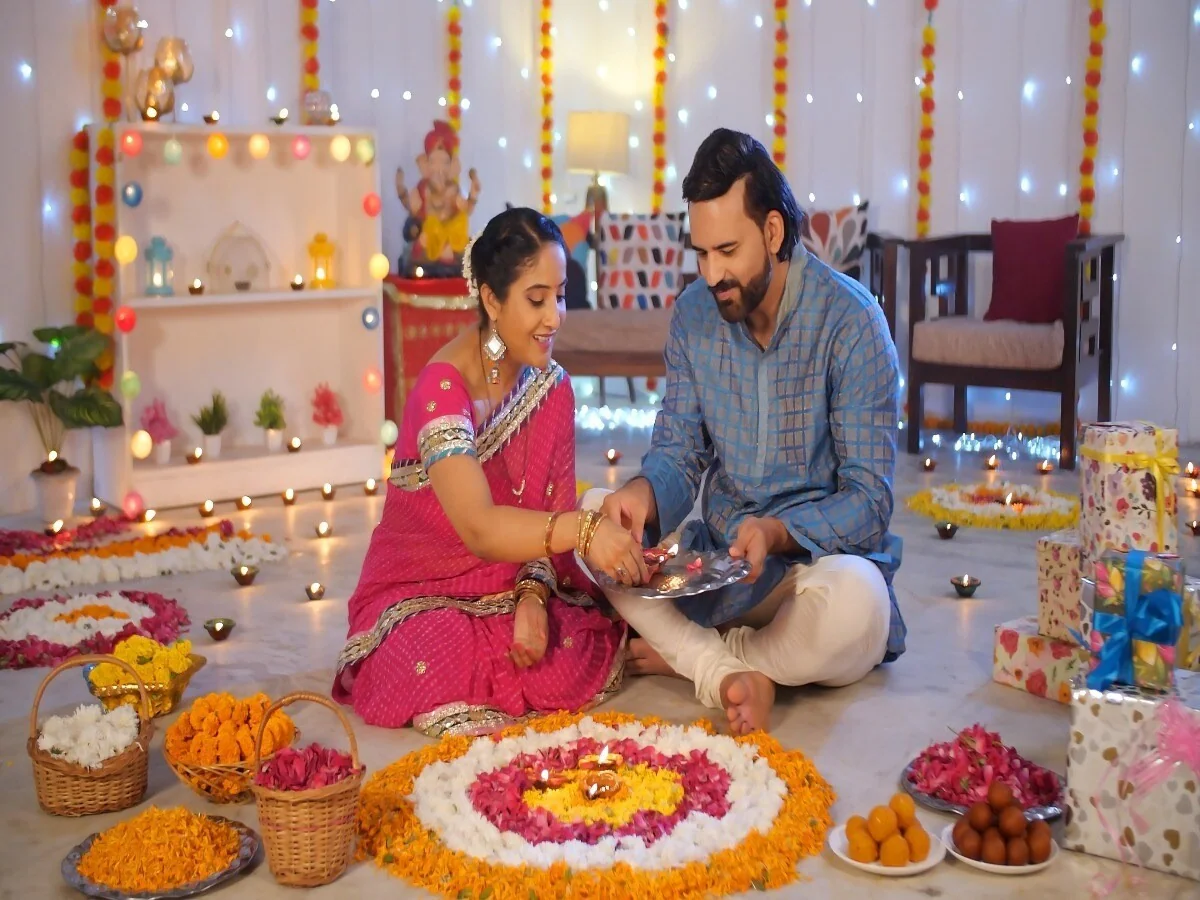
Decorate the home’s entrance with a rangoli.
The tradition of creating a rangoli on Diwali is an ancient one; the rangoli is considered a symbol of auspiciousness and joy. You can create a rangoli at the main entrance featuring designs such as a lotus, a swastika, lamps, or flowers.
Use natural colors, flower petals, and rice flour to create your rangoli.
PC Social Media