Parenting
Do frequent arguments and fights occur at home? You might notice these 5 changes in your children's behavior..
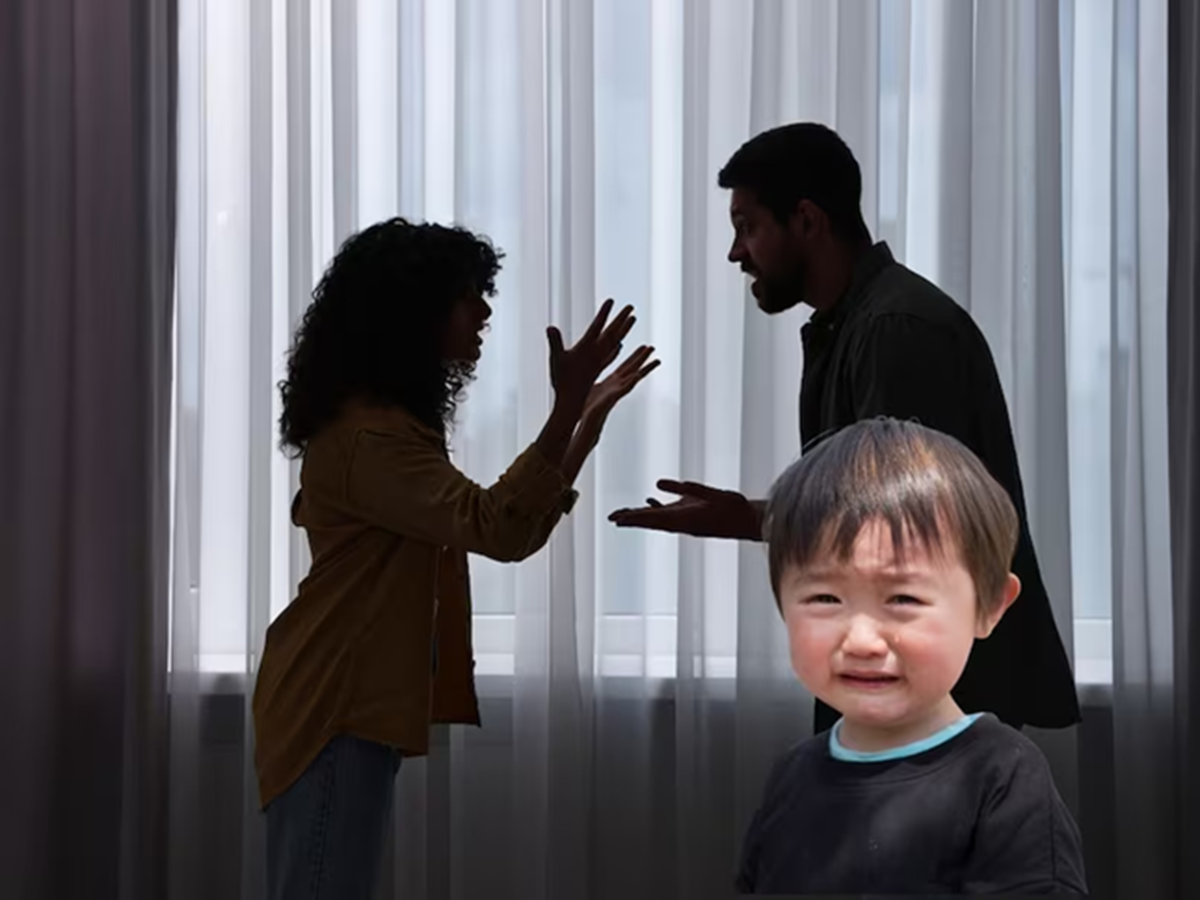
There is a saying: "Children do not do what we teach them; they do what they see us doing." Home is the first school where a child learns about love, security, and how to behave. However, when the sounds of shouting and fighting echo within those very walls, the worst impact falls upon those young, delicate minds. Parents often think, "The child is too young; what could they possibly understand?" but the truth is that children are even quicker than adults to sense stress.
**Angry Temperament** – The first sign of constant parental conflict often manifests as extreme aggression in the child's nature. When children see the people closest to them getting their way through shouting or anger, they come to believe that this is the correct way to resolve problems.
**Disengagement from Studies** – A second serious change appears as a decline in concentration and academic performance. A turbulent and insecure home environment keeps a child's mind in a constant state of "survival mode." They are perpetually anxious about what might happen next or which conflict might erupt.
**Loneliness and Withdrawal** – Such children often begin to lag socially, frequently retreating into loneliness and silence. To escape the noise and stress of the fighting, they lock themselves in their rooms or stop interacting with others. This behavior signals a deepening lack of self-confidence. They begin to feel that their feelings do not matter, leaving them unable to form healthy relationships or express themselves clearly in the future.
**Constant Illness** – Mental stress is not confined to the mind alone; it also manifests as physical symptoms in children. Often, children complain of recurring headaches, stomach aches, or anxiety without any underlying medical cause. This is essentially the result of the fear and anxiety suppressed within them. Domestic discord affects their appetite and sleep, which is highly detrimental to the physical growth of a developing child.
Parents need to understand this: to shield children from these negative effects, parents must first realize that arguing in front of them jeopardizes their development. If there are disagreements, try to resolve them calmly behind closed doors. Maintaining control over your voice and language in front of children is a hallmark of a mature parent. If a child inadvertently witnesses an argument, explain to them later that adults may disagree, but this does not mean the love between them has ended.
To handle the situation effectively, parents should model 'healthy discussion.' Show children that differences can be resolved without shouting—by listening to each other and reaching a compromise. Doing so teaches the child a positive method of conflict resolution, which proves invaluable in their future personal and professional lives. After an argument, treating each other normally and respectfully in front of the children is essential to dispel any feelings of insecurity.
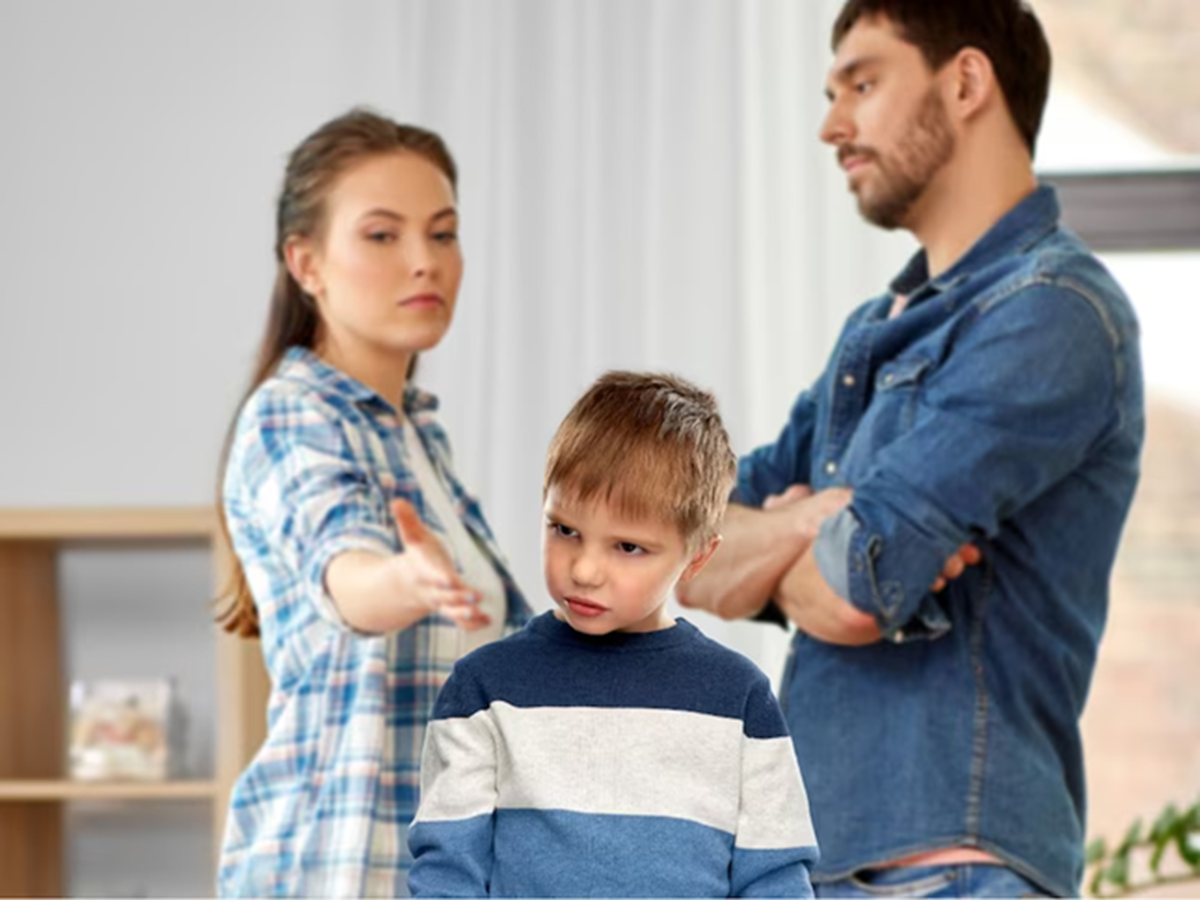
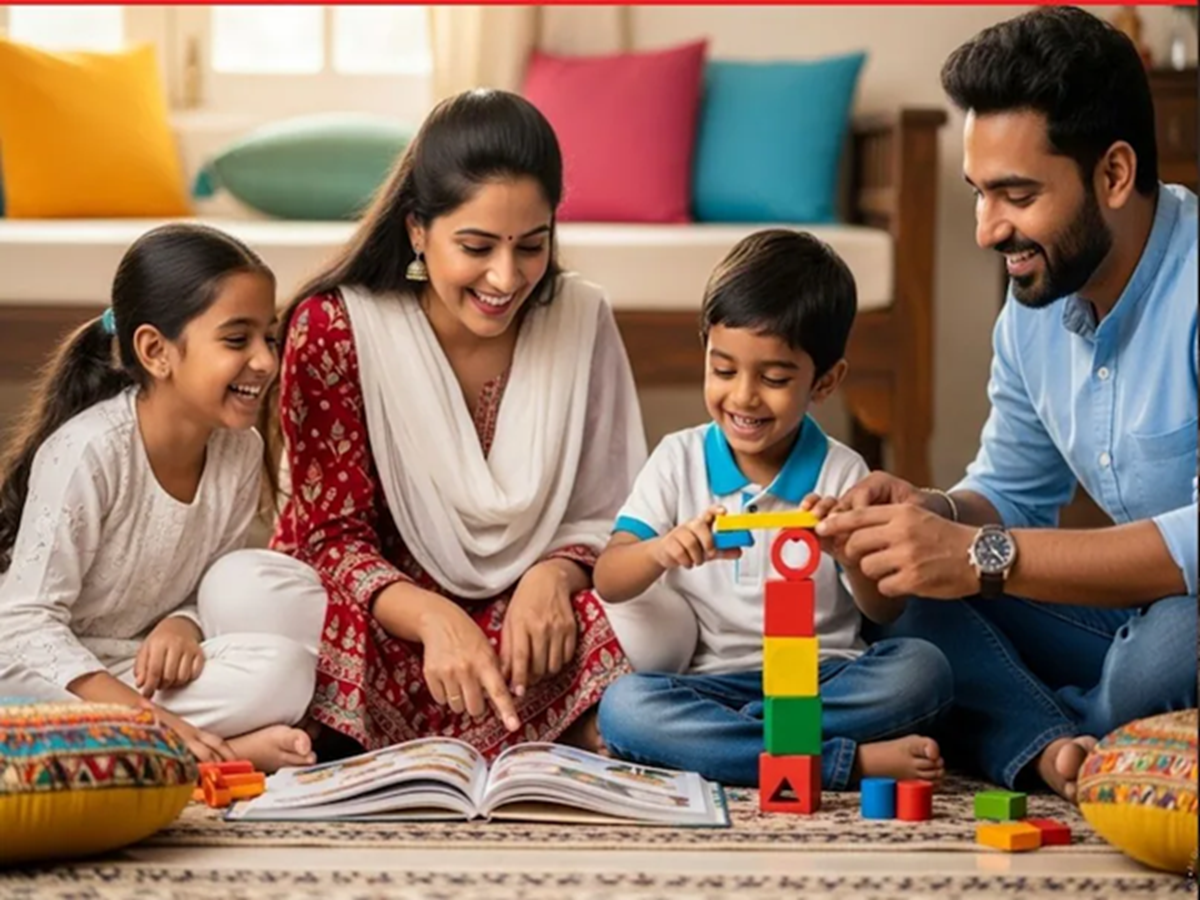
Remember, a 'peaceful and happy home' is far more important to children than the toys, clothes, or luxuries you provide. Spend quality time with your children daily, listen to them, and reassure them that, come what may, home is the safest place for them. The strength of your relationship forms the foundation of their bright and healthy future; do not let your anger ruin their childhood.
PC Social Media