LIFESTYLE
Do not ignore persistent gas and a burning sensation—could these be signs of a stomach ulcer? How can you identify them?
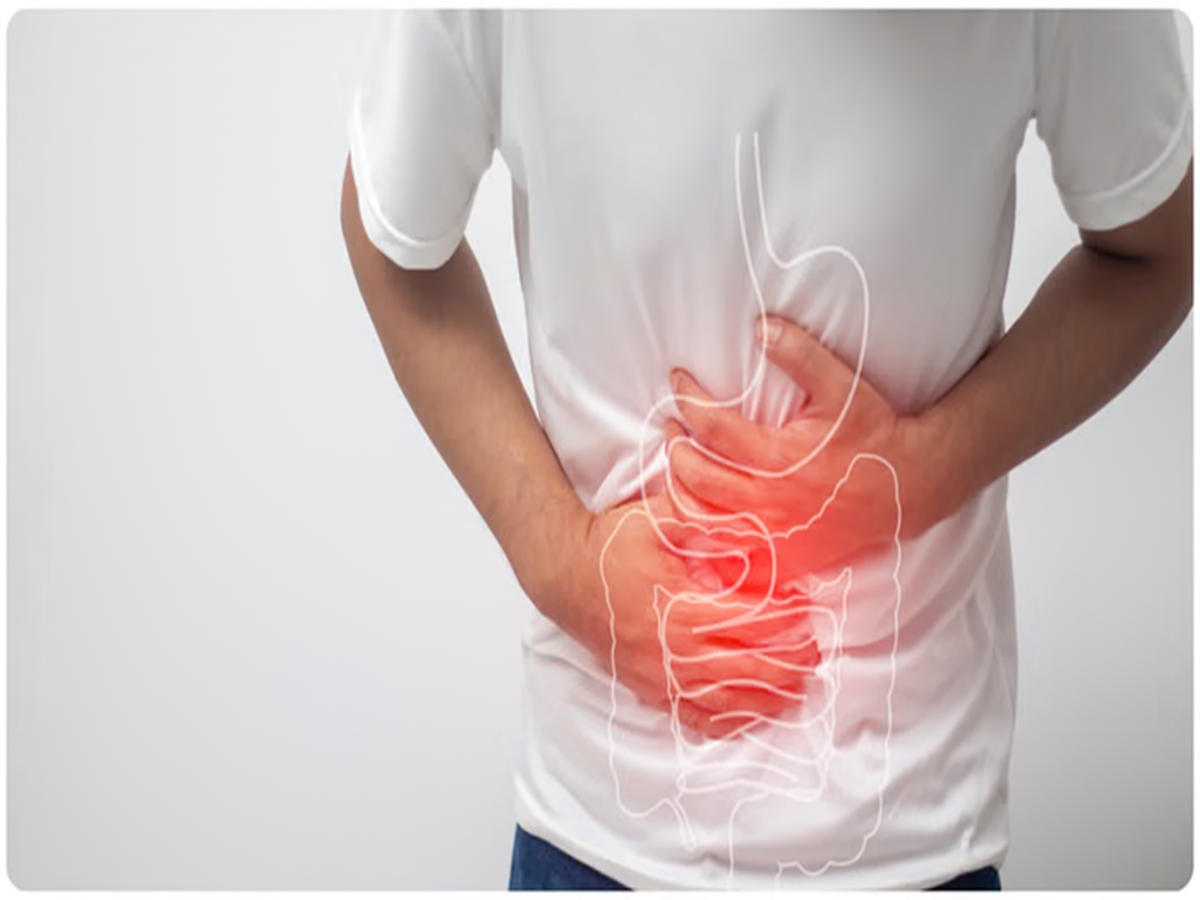
Digestive health is often considered a mirror of the body; in other words, good digestion is a sign of overall good health. However, the growing irregularities in our lifestyles and dietary habits have caused significant harm to digestive health. This is why issues ranging from gas and constipation to heartburn have become quite common among people of all ages.

People often overlook abdominal pain, a burning sensation, or a feeling of heaviness after a meal, dismissing them as mere gas or acidity. But did you know that these symptoms could sometimes be signs of a stomach ulcer?
A stomach ulcer involves the formation of sores on the inner lining of the stomach. Initially, the symptoms may resemble common digestive issues, but if left untreated, the condition can become serious. Could you be suffering from one? Let’s explore this in detail.
Peptic Ulcer Disease
Stomach ulcers are also known as peptic ulcers. They occur when sores develop on the inner lining of the stomach or the upper part of the small intestine. It is crucial to identify and treat stomach ulcers in a timely manner. Health experts note that these ulcers can be caused by factors ranging from poor dietary habits to an infection by the bacterium *H. pylori*. If a stomach ulcer is not identified or treated promptly, the sore can worsen. In many cases, this can lead to serious or even life-threatening complications, such as internal bleeding, a perforation (hole) in the stomach wall, or an infection.
Let’s look at how this condition can be identified and what measures can be taken to treat it.
How are stomach ulcers identified?
In the case of a peptic ulcer, sores form on the inner lining of the stomach or the small intestine, which can lead to various health issues.
You may experience pain or a burning sensation in the upper part of your abdomen. This pain may intensify either on an empty stomach or after a meal.
An ulcer can cause nausea, and some people may even experience vomiting.
Ulcers can also lead to gas, a feeling of heaviness in the stomach, and frequent belching.
Some patients may feel full even after eating only a small amount of food, which can result in a reduced appetite.
How can stomach ulcers be treated?
Health experts state that it is essential to identify the underlying cause of a stomach ulcer, as the treatment approach is determined based on this.
*Helicobacter pylori* is a type of bacterium that can cause ulcers by damaging the protective lining of the stomach. Additionally, the frequent use of painkillers without medical advice can also lead to the development of stomach ulcers in some individuals.
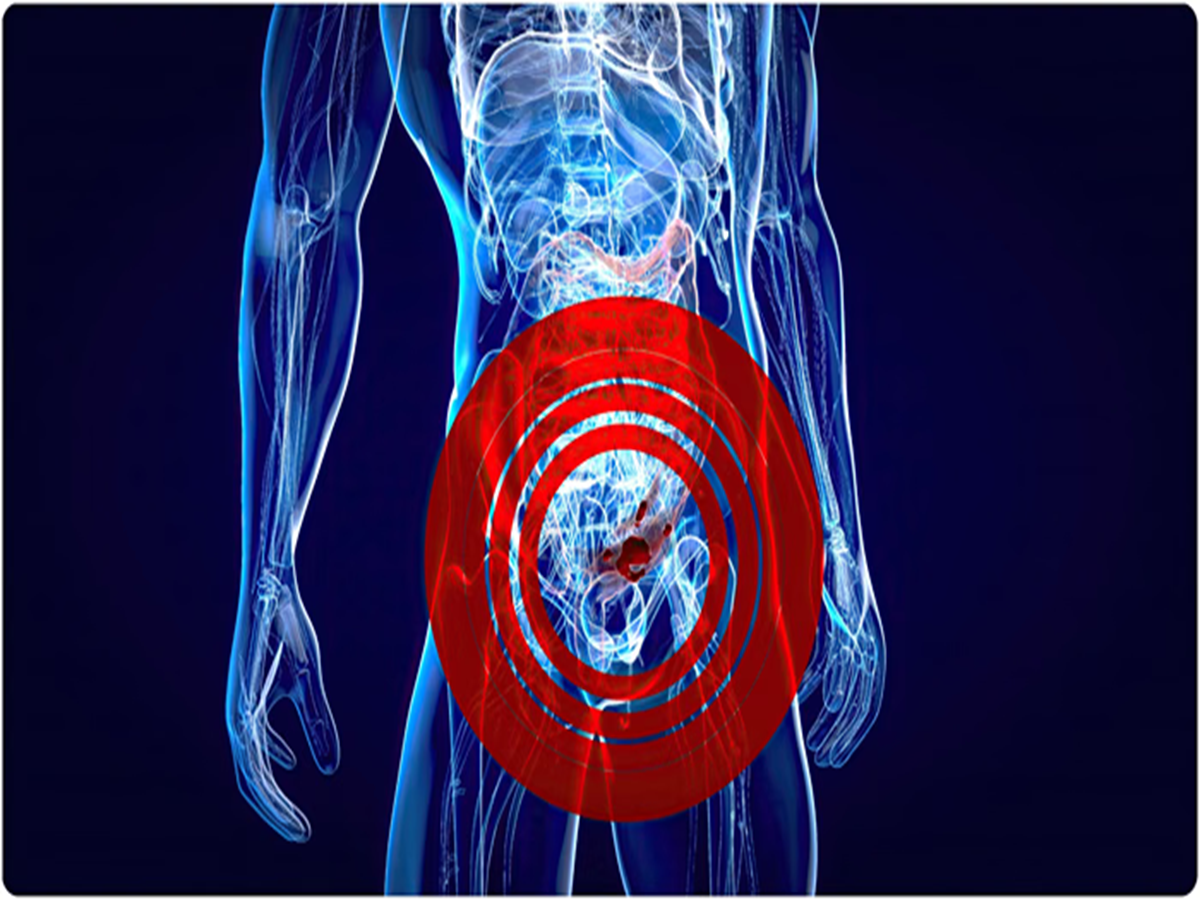
Doctors advise seeking immediate medical attention if you notice red blood or a coffee-ground-like substance in your vomit, if your stool appears black and sticky, or if you experience severe abdominal pain. A doctor will prescribe medication based on your specific symptoms and their underlying causes. Making improvements to your diet and lifestyle can also help manage or resolve these symptoms.
PC Social Media