Food & recipe
Does your child leave their tiffin unfinished? Follow these expert-recommended tips to ensure they get complete nutrition..
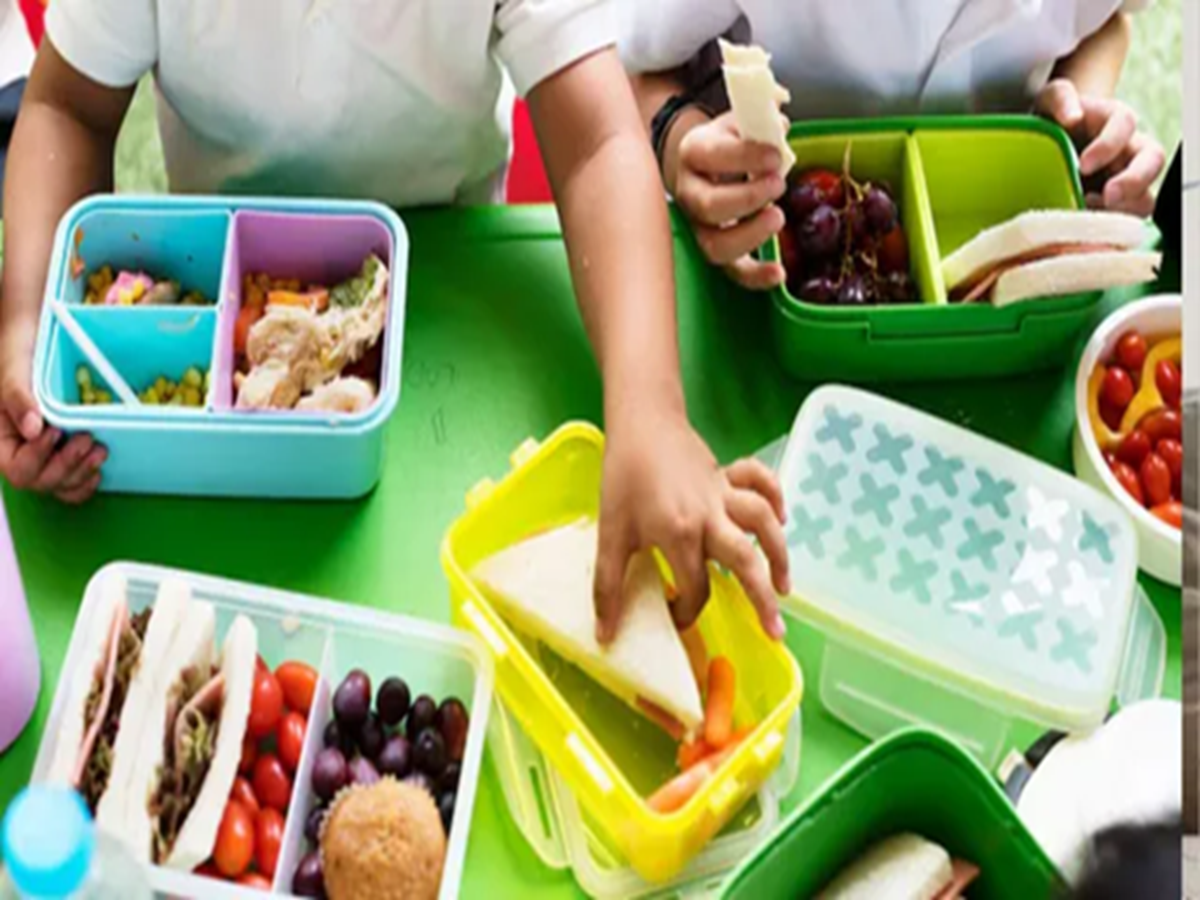
Providing a lunchbox that is both nutritious and delicious poses a challenge for mothers. If the lunchbox doesn't contain tasty food items, children often bring it back untouched or leave it half-eaten.

Consequently, they turn to junk food options available at the canteen—buying items like chips, cookies, chocolates, burgers, cakes, and so on. As a result, their hunger remains unsatisfied, and they fail to receive a complete, balanced diet. The outcome is that they begin to grow weak, leaving their mothers puzzled as to why this is happening.
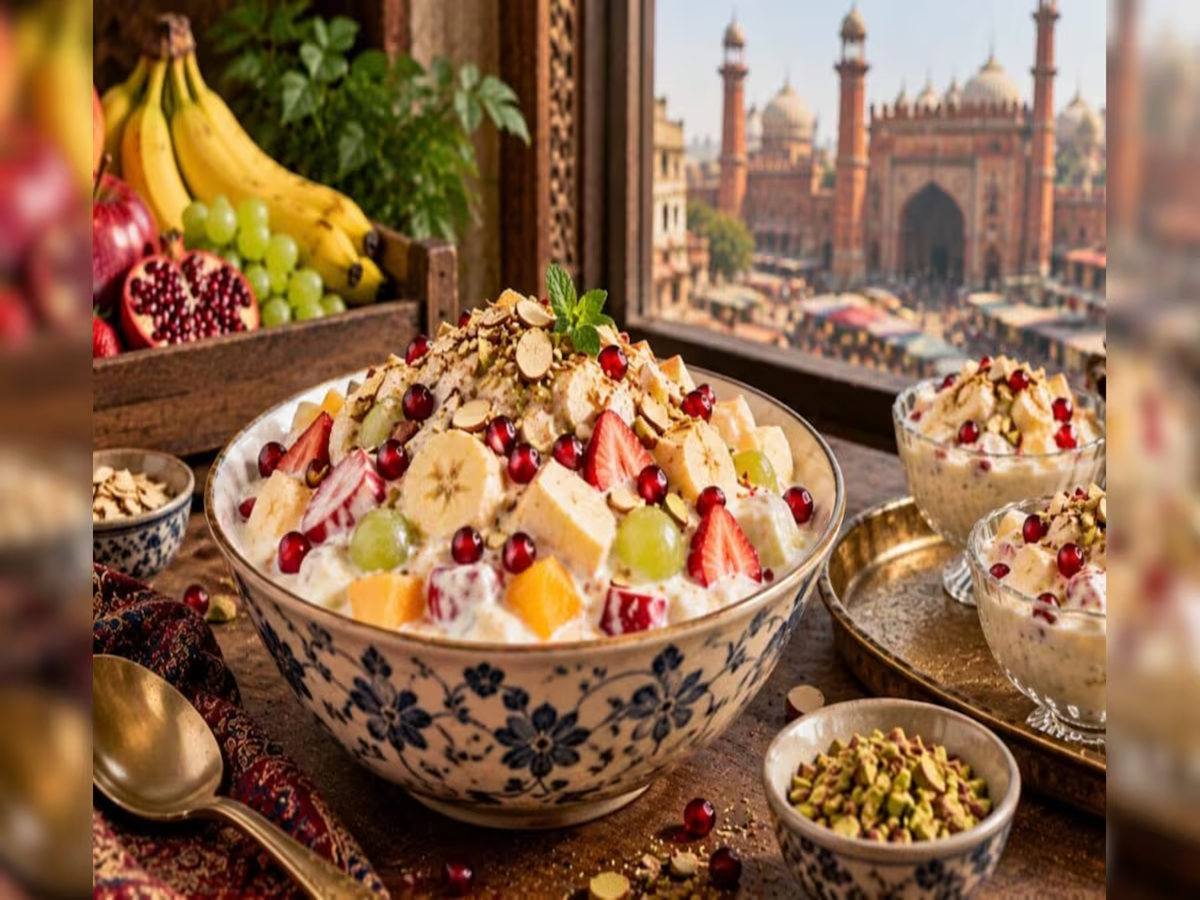
Dr. Divya Malik (Senior Nutritionist, Apollo Spectra Hospitals, Delhi) explains that a child's lunchbox should ideally contain small amounts of all essential nutrients—including proteins, minerals, calcium, and vitamins—since they spend half their day at school. Therefore, it is advisable to provide them with nutrient-rich meals such as fruits, paneer (cottage cheese), various types of parathas, vegetable-filled rolls, poha, pulao, idli, or upma.
**Prepare Lunchboxes That Kids Love**
You can choose to pack parathas made with paneer, potatoes, or mixed vegetables, accompanied by a chutney. Parathas keep children feeling full and are generally well-liked by them. Additionally, alternating these options with paneer rolls, vegetable sandwiches, or homemade *tikkis* (patties) makes for excellent alternatives, as these are rich in protein. Furthermore, semolina-based upma or poha are good choices; by incorporating plenty of vegetables into them, you ensure an adequate intake of fiber and vitamins.
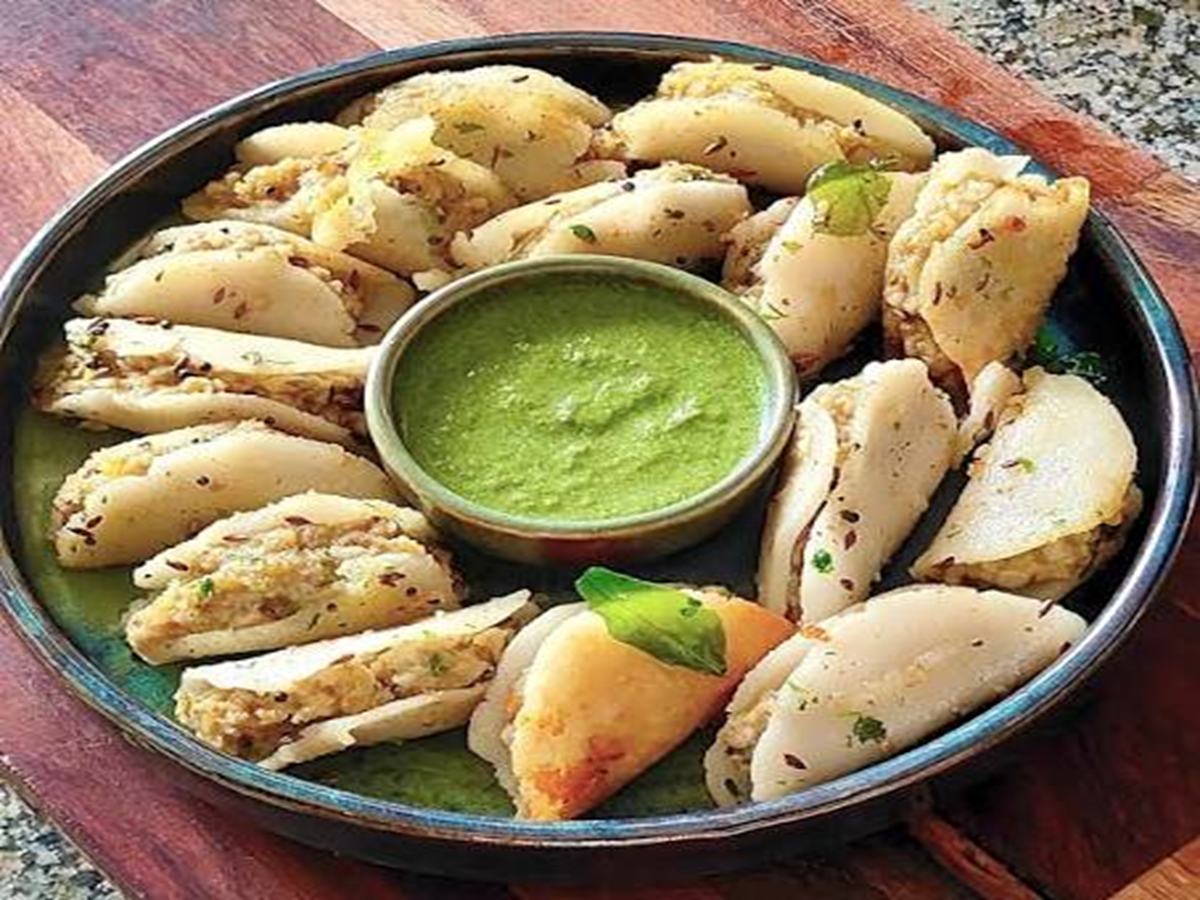
Introducing variety into a child's lunchbox makes eating more enjoyable for them. Several lunchbox options can be prepared quickly and easily, such as fried idlis, dhokla, appam, etc. It is essential to include at least one source of protein in the lunchbox every day, as children require strength and energy. Therefore, you should make it a point to include dishes made from ingredients like paneer, yogurt, eggs, chickpeas (*chana*), kidney beans (*rajma*), or green gram (*moong dal*) on a rotational basis.

What Constitutes a Complete Meal?
Mothers should strive to ensure that their children consume as little packaged food, snacks, sugary juices, or fried items as possible. Such foods tend to diminish a child's appetite and can negatively impact their weight. A child's tiffin should be designed to support their brain, bones, and immunity simultaneously. A "complete meal" implies one that invariably includes—in appropriate proportions—protein, healthy carbohydrates, good fats, and essential vitamins and minerals.
PC Social Media