Parenting
Don't just talk—cultivate the habit of listening to children too! Everything from concentration to social skills will be strengthened..
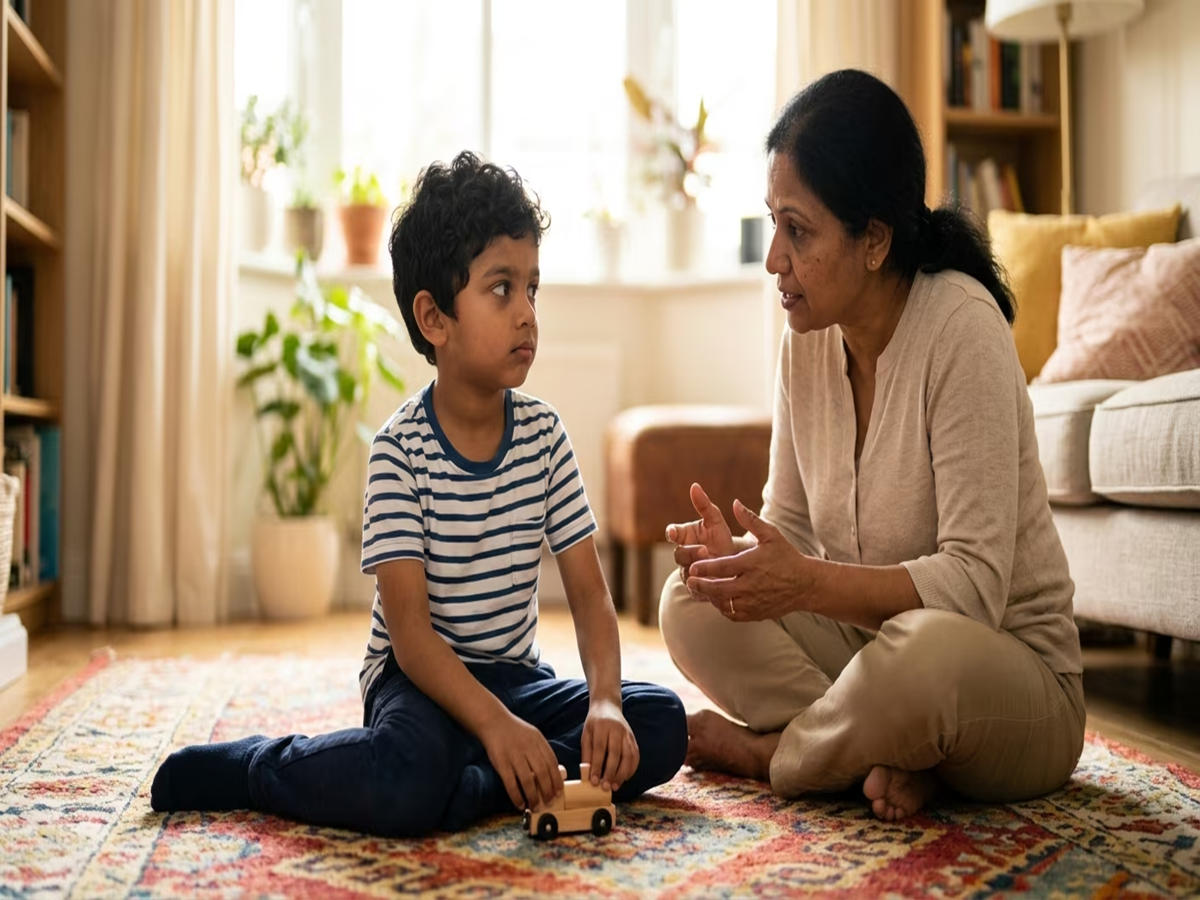
Benefits of Listening Skills in Children: Nowadays, children are taught how to express themselves, but are they also taught to listen attentively to others? Effective communication isn't just about speaking; listening carefully to the other person is equally important. If a child frequently interrupts others, starts answering before hearing the full question, or loses focus within minutes, they may need to work on their listening skills.

Developing the habit of listening in children can lead to positive changes in their academics, concentration, and interactions with others. Child psychology experts agree that teaching a child to speak is not enough to make them a good communicator; it is also essential to teach them to listen attentively and understand what the other person is saying.
Benefits of enhancing listening skills in children –
Improved mental concentration –
When a child listens attentively, they must maintain their focus. This habit proves useful in academics as well. A child who listens carefully to the teacher can better understand instructions and make fewer mistakes when completing tasks.
Stronger social skills –
Being a good listener helps a child mingle easily with others. They learn when to speak and when to listen. This can improve their relationships with friends, siblings, and family members.
Helps in understanding others' emotions –
Listening skills go beyond just hearing words. When a child listens attentively, they learn to pick up on vocal inflections and emotions. This helps develop empathy—the ability to understand and share the feelings of others.
Academic benefits –
Children receive various instructions during class. Listening carefully makes it easier for them to understand questions, follow directions, and learn new concepts. This habit is particularly beneficial for younger children.
Patience and Self-Control Will Improve
To fully listen to someone, a child must restrain the urge to respond immediately or interrupt. Over time, this can help develop the habits of patience and self-control. They learn to wait for their turn during a conversation.
How Can You Teach Children to Listen Well?
Parents should start with small, everyday interactions. When your child speaks to you, put aside your mobile phone or turn off the TV to listen to them. Maintain eye contact while talking and avoid interrupting them.
You can ask your child about their day and give them the chance to finish speaking without interruption. While reading a story, pause occasionally to ask what they have understood. You could even establish a simple family rule: "Listen first, then respond."
Most importantly, to teach a child the habit of listening, parents must set a good example themselves. Children more easily adopt the behaviors they see around them at home.
PC Social Media