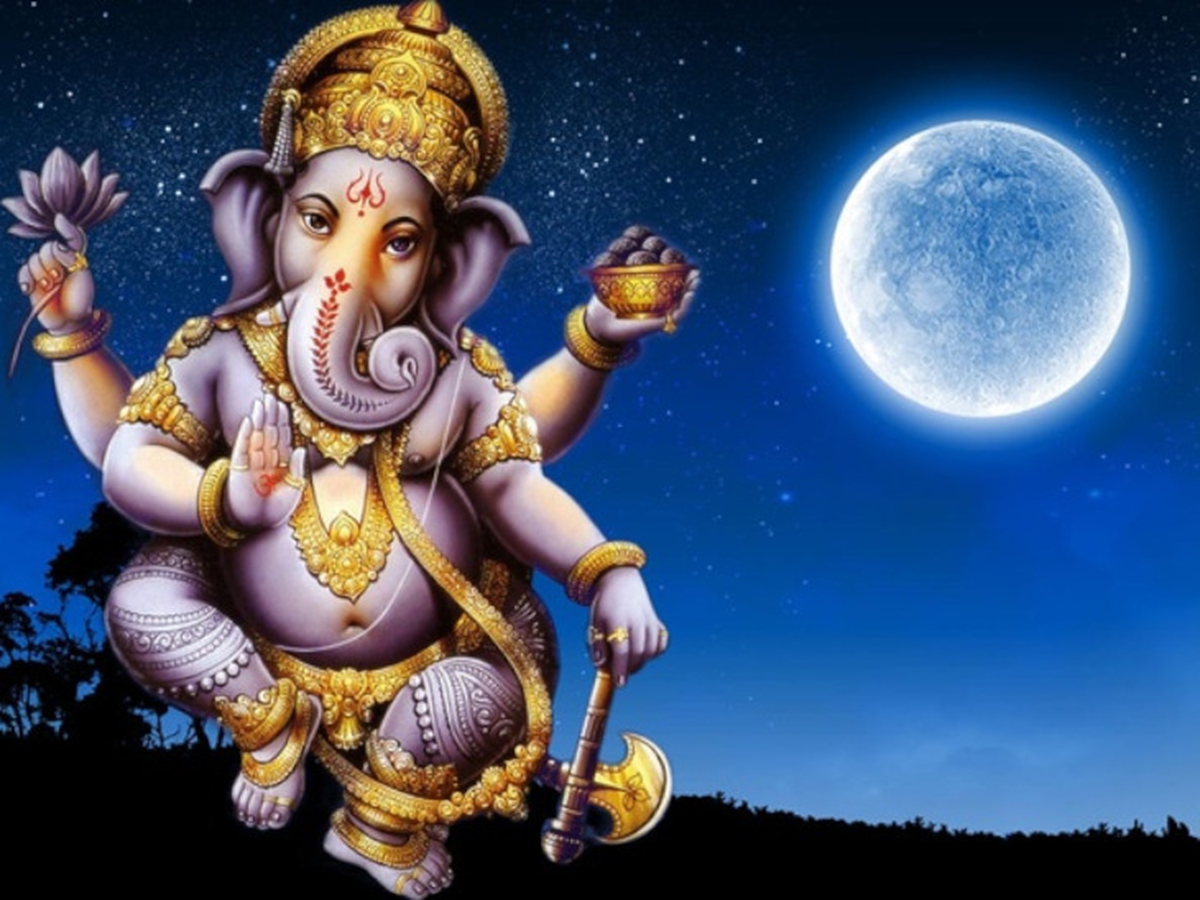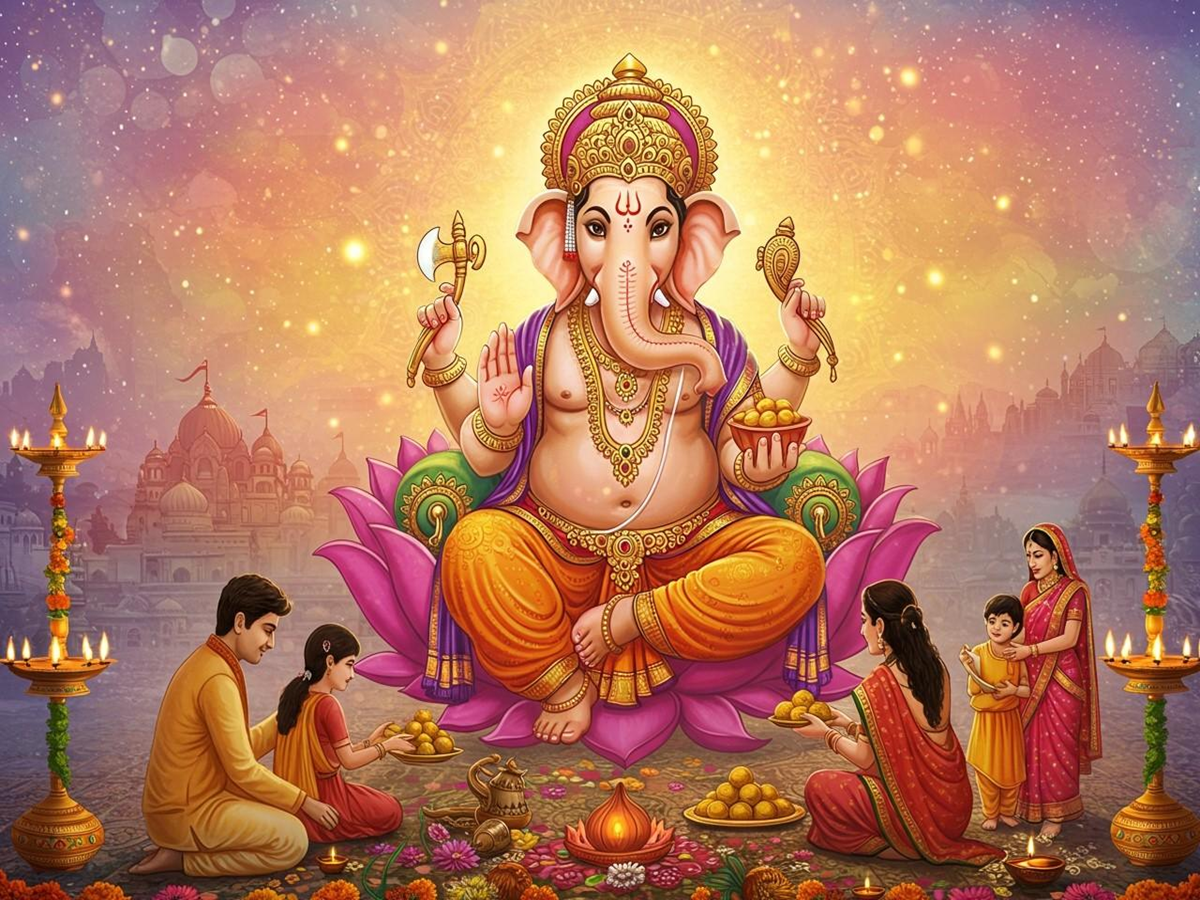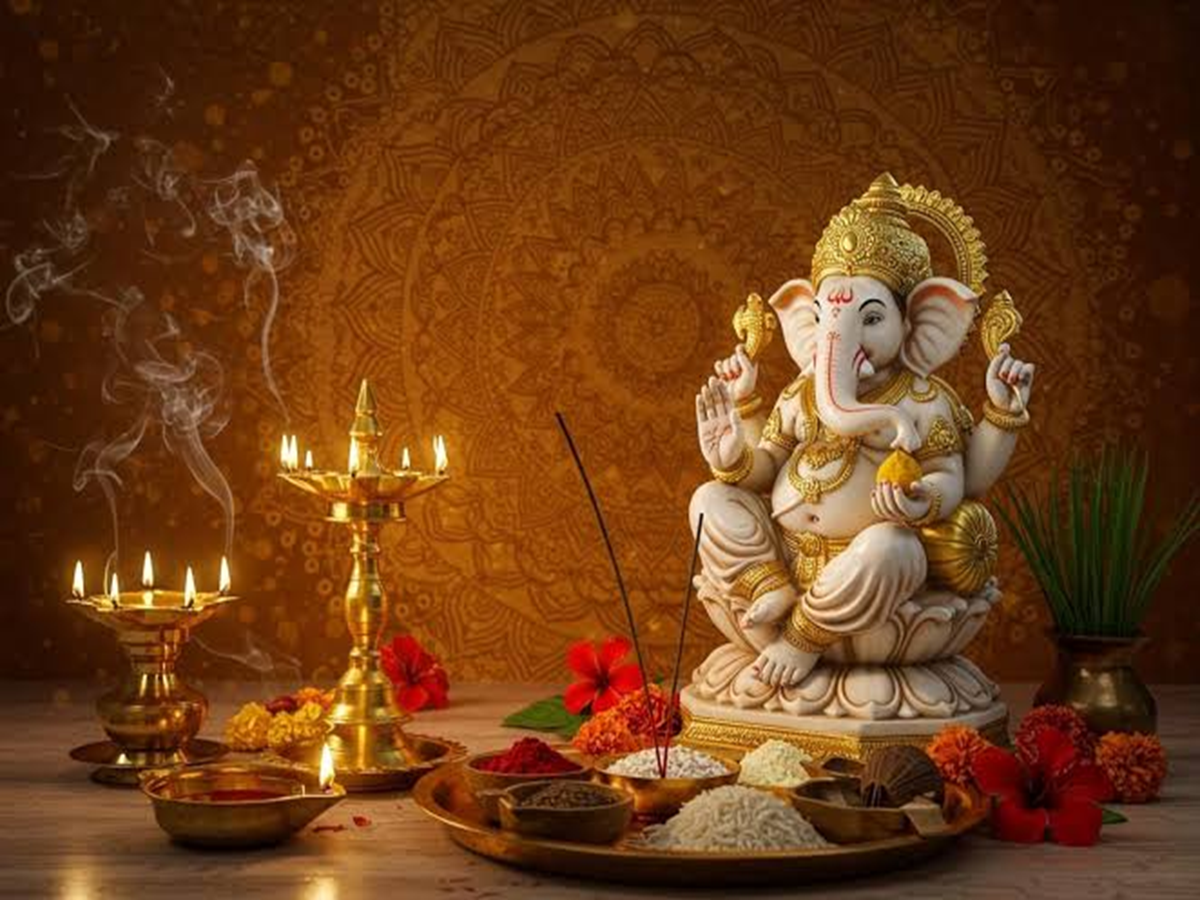
Ganesh Chaturthi: The festival of Ganesh Chaturthi is considered a special occasion for the worship, fasting, and adoration of Lord Ganesha; however, there is also a fascinating and widely held religious belief associated with sighting the moon on this day. The fourth day (Chaturthi) of the bright fortnight (Shukla Paksha) of the Bhadrapada month is also known as 'Kalank Chaturthi' (the day of false accusations); religious belief holds that sighting the moon on this day can lead a person to face false accusations, such as charges of theft or other forms of slander.
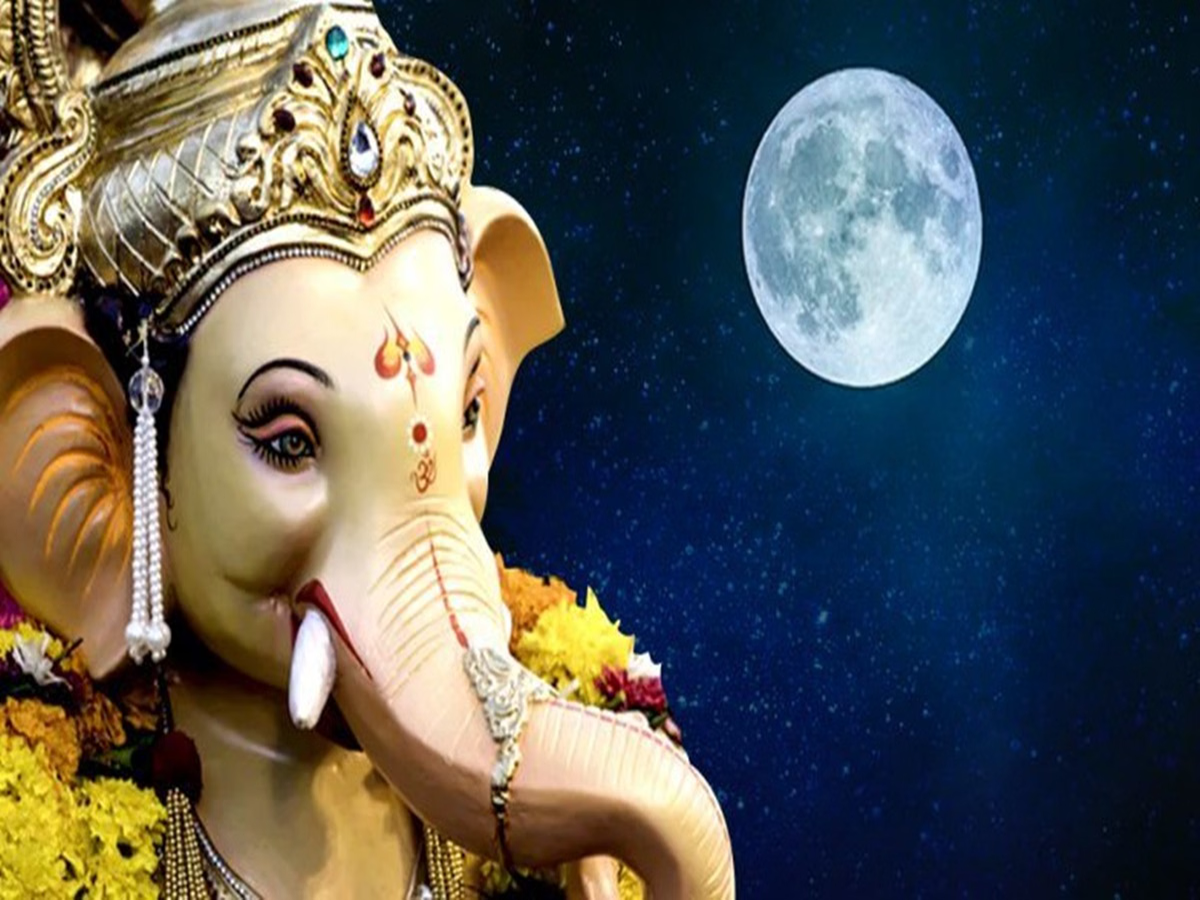
This year, Ganesh Chaturthi is being celebrated on Monday, September 14, 2026. According to Pandit Prakash Joshi, an astrologer based in Nainital, scriptures and mythological traditions advise against sighting the moon on the night of Ganesh Chaturthi. It is believed that if one inadvertently catches a glimpse of the moon, the ill effects (dosha) of the sighting can be remedied by listening to or reciting the story of the Syamantak Mani (gem).
Why did Lord Ganesha curse the moon?
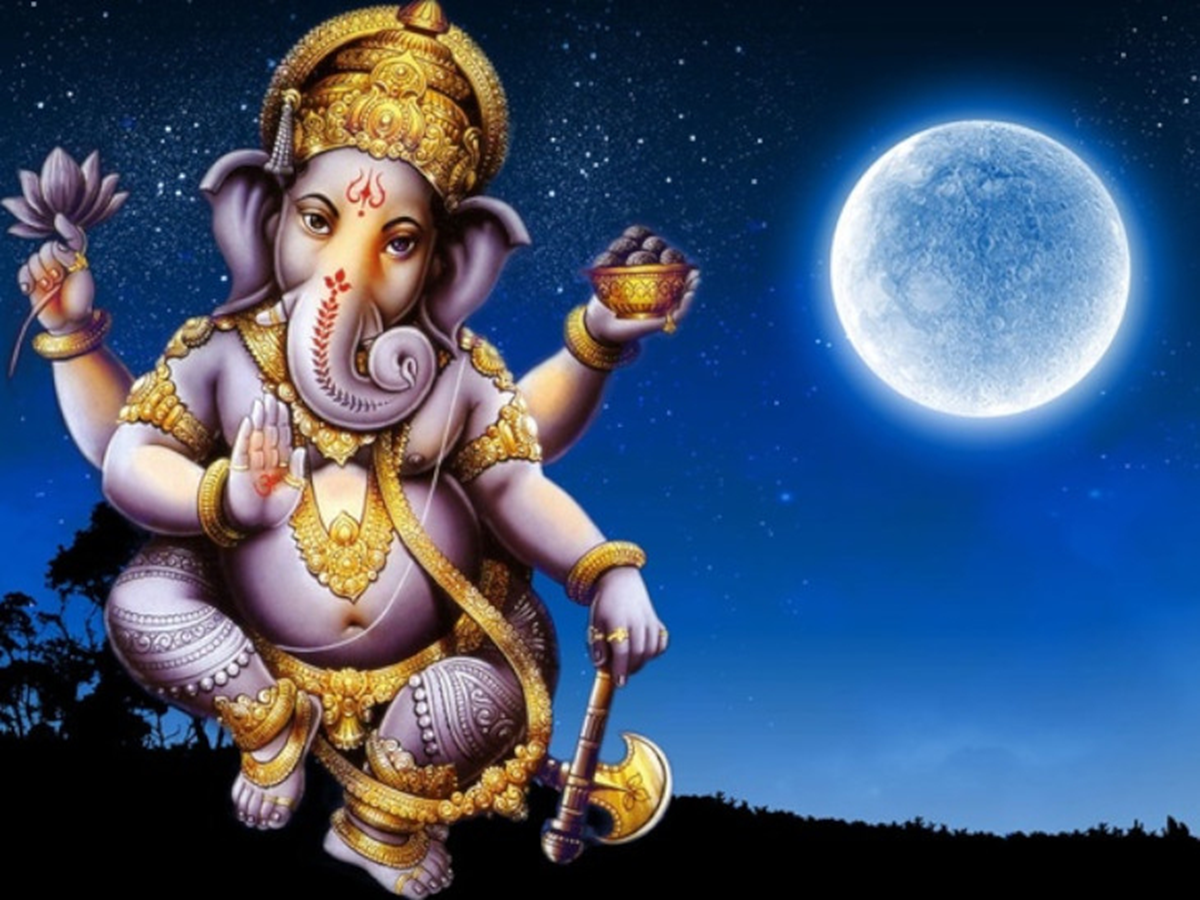
Pandit Prakash Joshi explains that, according to mythology, Lord Ganesha was once enjoying his favorite *modaks* (sweet dumplings). Upon seeing Ganesha's large-bellied (*Lambodar*) form while he was eating, the Moon God (*Chandra Dev*) laughed. It is said that the moon was quite arrogant about his own appearance and beauty. Lord Ganesha became enraged by this mockery. Cursing the moon, Ganesha declared that his radiance and beauty would diminish. He further decreed that anyone who sighted the moon on the night of Bhadrapada Shukla Chaturthi would face false accusations or slander. It is due to this belief that the tradition of avoiding moon-sighting on this date has persisted.
Lord Krishna also faced an accusation of theft.
The most famous story associated with this religious belief concerns Lord Krishna and the Syamantak Mani. According to legend, Lord Krishna also inadvertently sighted the moon on the night of Bhadrapada Shukla Chaturthi. Subsequently, he faced false accusations of stealing the Syamantak Mani and murdering Prasenjit. The story goes that Satrajit had received the Syamantak Mani from the Sun God (*Surya Dev*), and the gem later passed into the possession of his brother, Prasenjit. Prasenjit went into the forest to hunt; there, a lion killed him and carried off the gem. Subsequently, Jambavan killed the lion and kept the gem for himself. When Prasenjit did not return, Satrajit—acting without full information—accused Shri Krishna of killing him and stealing the gem.
To clear his name of this stigma, Shri Krishna went into the forest in search of Prasenjit. During his search, he reached Jambavan's cave, where he found the Syamantaka gem. A prolonged battle ensued between Jambavan and Shri Krishna. Eventually, Jambavan realized Shri Krishna's true divine nature; he married his daughter, Jambavati, to Shri Krishna and handed over the Syamantaka gem to him. When Shri Krishna returned to Dwarka with the gem, Satrajit realized his mistake and apologized to him.
**Narada Explains the Reason Behind the Moon Sighting**
Pandit Prakash Joshi explains that the story further reveals the reason behind the repeated insults and accusations faced by Shri Krishna: the sighting of the moon on the *Chaturthi* (fourth day) of the lunar fortnight. Narada informed him that he had seen the moon on *Bhadrapada Shukla Chaturthi*, which was the cause of the false accusations he faced. This year, on Ganesh Chaturthi, the *Chaturthi Tithi* (lunar day) will begin at 7:07 AM, while the *Chitra Nakshatra* will prevail until 1:55 PM. According to astrological calculations, the moon will be positioned in the Libra (*Tula*) zodiac sign on this day.
**What to Do If the Moon Is Seen Accidentally?**
According to religious belief, if one happens to see the moon on the night of Ganesh Chaturthi out of ignorance or by mistake, there is no need to panic. In such a situation, there is a tradition of reading or listening to the story of the Syamantaka gem. The tale associated with the Syamantaka gem is described in the Tenth Canto (*Dasham Skandha*) of the *Shrimad Bhagavata Mahapurana*. It is believed that listening to or reciting this story absolves one of the ill effects associated with sighting the moon on this day. Thus, Ganesh Chaturthi is not merely a festival for worshipping Lord Ganesha; the mythological stories associated with it also present Indian religious traditions and folk beliefs fascinatingly.
PC Social Media