LIFESTYLE
Health Talk: Forget your worries about regular salt—'heart-friendly' salt is here; it keeps both your heart and kidneys healthy..
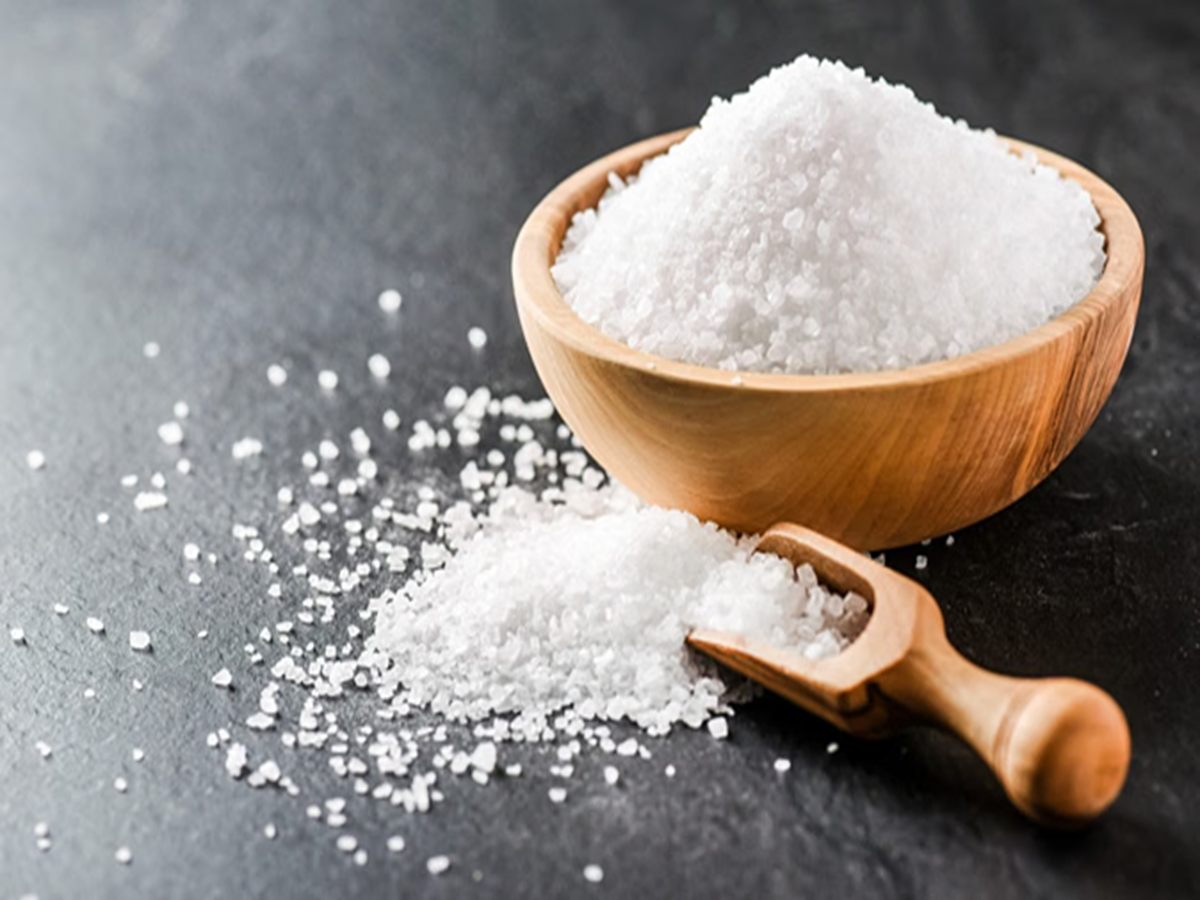
The risk of heart disease is on the rise globally. Even younger individuals are falling victim to it; consequently, health experts are advising everyone—from children to the elderly—to remain vigilant about their heart health. Experts emphasize that maintaining healthy blood pressure, cholesterol, and blood sugar levels is essential for heart health. Furthermore, it is crucial to monitor salt intake. Excessive salt—specifically sodium—can raise blood pressure, potentially leading to heart attacks. High salt intake can also pose risks to kidney health.

If you are concerned about the amount of salt in your diet, there is some encouraging news. Experts have highlighted a "heart-friendly" salt that can be incorporated into your diet to help maintain the health of both your heart and kidneys. Moreover, experts believe that this single change could save approximately 3 million lives worldwide every year and prevent over 10 million new cases of heart and kidney disease.
Potassium-enriched salt is beneficial for health.
Health experts suggest that replacing the common salt used in daily cooking with potassium-enriched salt could significantly reduce the risk of heart disease. If countries around the world were to adopt this change, it could save about 3 million lives annually.
According to health experts, this research could serve as a promising starting point for developing new strategies to mitigate the harmful effects of excessive salt consumption.
This heart-friendly alternative is known as potassium-enriched salt. It contains less sodium than regular salt, with a higher concentration of potassium.
When sodium levels in the body rise, the body begins to retain water. This increases pressure on the blood vessels and can lead to high blood pressure.
On the other hand, potassium helps balance the effects of sodium in the body and aids in lowering blood pressure.
Notably, salt enriched with potassium tastes much the same as regular salt.
What did the study reveal?
In a study published in the *Nature* family of medical journals, health experts point out that high blood pressure does not just affect the heart; it can also damage the kidneys. Persistently high blood pressure exerts pressure on the delicate blood vessels and the tiny functional units within the kidneys—structures responsible for filtering the blood and removing waste and excess fluid from the body. Over time, this can impair the kidneys' ability to function.
Professor Bruce Neal, a senior researcher at The George Institute for Global Health, states that replacing regular salt with potassium-enriched salt could offer significant health benefits. While transitioning to potassium-enriched salt on a global scale is an ambitious goal, it represents a promising start. Importantly, this approach offers a cost-effective way to benefit a large number of people.
Even if people simply switch to potassium-enriched salt for cooking and seasoning at home, the potential health gains could be substantial.
Replacing the salt used in households worldwide could prevent approximately 1.85 million deaths annually, as well as over 6 million new cases of heart and kidney disease.
Is it safe for everyone?
Experts have also issued an important caveat regarding this type of salt. They note that potassium-enriched salt is not a suitable choice for everyone. In particular, individuals already suffering from severe kidney disease should exercise great caution regarding its use. In fact, when the kidneys do not function properly, they are unable to remove excess potassium from the blood.
In such cases, the level of potassium in the body can rise beyond what is necessary—a condition known as hyperkalemia. This poses a risk of irregular heartbeat and other serious health complications.

Vivek Jha, a senior professor and kidney specialist at The George Institute, advises that individuals suffering from severe kidney disease should consult a doctor before making such changes. It is also essential to be aware of your overall health status and the condition of your kidneys before switching to potassium-enriched salt. If you are otherwise healthy, however, this single change could help you reduce significant health risks.
PC Social Media