Parenting
Is your child also silently enduring bullying? Do not overlook these 4 subtle signs under any circumstances..

Parenting Tips: As parents, we always want our children to be safe at school, focus on their studies, and remain happy. But have you ever wondered why a cheerful, playful child might suddenly become withdrawn or quiet? Often, children go through distress that they are unable to openly articulate. A major cause of this is school bullying. A tragic incident recently occurred in Jaipur that shook parents everywhere; an innocent fourth-grade student took his own life after silently enduring suffering. Investigations revealed that the child had been facing mental pressure and bullying for months.
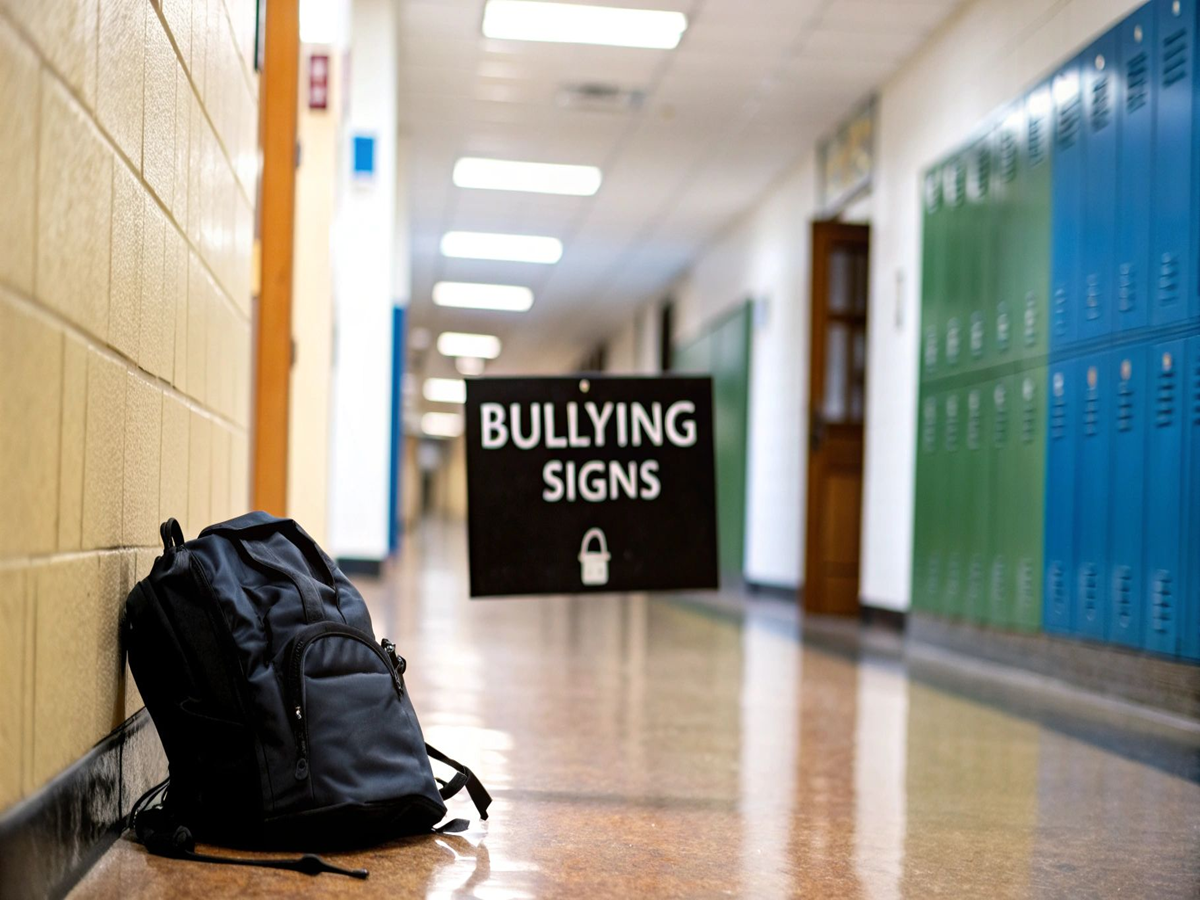
Here are four hidden signs that every parent needs to recognize in time.
We often assume that young children—aged 8 to 10—do not understand concepts like "death" or "stress." However, child psychology suggests that when a child endures bullying over a prolonged period, they can experience extreme mental stress.
According to reports by the National Commission for Protection of Child Rights (NCPCR) and UNESCO, bullying in Indian schools has become a widespread yet overlooked issue. In most cases, children do not speak up at home due to fear or shame. Parents often dismiss their altered behavior as mere "mood swings" or "age-related tantrums."
Four silent signs that point towards bullying—
Experts believe that children rarely come right out and say, "I am being bullied." Their fear and stress manifest through their behavior. Be alert if you notice these four changes in your child:
1. Suddenly becoming withdrawn or isolated
If your child used to be talkative but has suddenly gone quiet, is distancing themselves from friends, or retreats to their room immediately upon returning home, this is not normal behavior. This indicates that he is grappling with some underlying fear.
2. Anxiety or making excuses about going to school
Complaining of stomach aches or headaches upon waking up, or bursting into tears the moment the school bus arrives—these behaviors go beyond mere laziness. If a child is afraid to go to school every day or panics at the mere thought of it, it is possible they are facing mistreatment from peers, seniors, or a teacher.
3. Irritability or bursting into tears over trivial matters
A child who is a victim of bullying often struggles to control their emotions. Sudden anger or shouting over minor issues, or tearing up frequently, reflects their mental distress. This is how they release their pent-up anger and feelings of helplessness.
4. Changes in sleep and eating habits
Excessive stress also impacts a child's physical health. Difficulty falling asleep at night, having nightmares, or a sudden loss of appetite—all these signs indicate that the child is not at peace mentally.
What should parents do? (Expert advice)
Ganesh Kohli, founder of the IC3 Movement, suggests that when a child seems different, instead of getting angry or scolding them, you should speak to them with empathy and genuine interest.
Don't scold; listen: Avoid telling the child, "You are just weak." Instead, reassure them that you are with them no matter what.
Understand the whole story without interrupting: Ask the child in a friendly manner about their day at school—who they made friends with and whether anyone is bothering them.
Contact the school: If you even slightly suspect bullying, speak to the school administration and the counselor immediately. Do not dismiss it as merely a "squabble between kids."
A little of your time, attention, and love can save your child from a major mental health crisis. Recognize the subtle changes in the child's behavior and become their shield in time.
PC Social Media