LIFESTYLE
Karwa Chauth 2026: Avoid these 5 mistakes when breaking your fast; doctor’s advice to prevent gas and acidity..
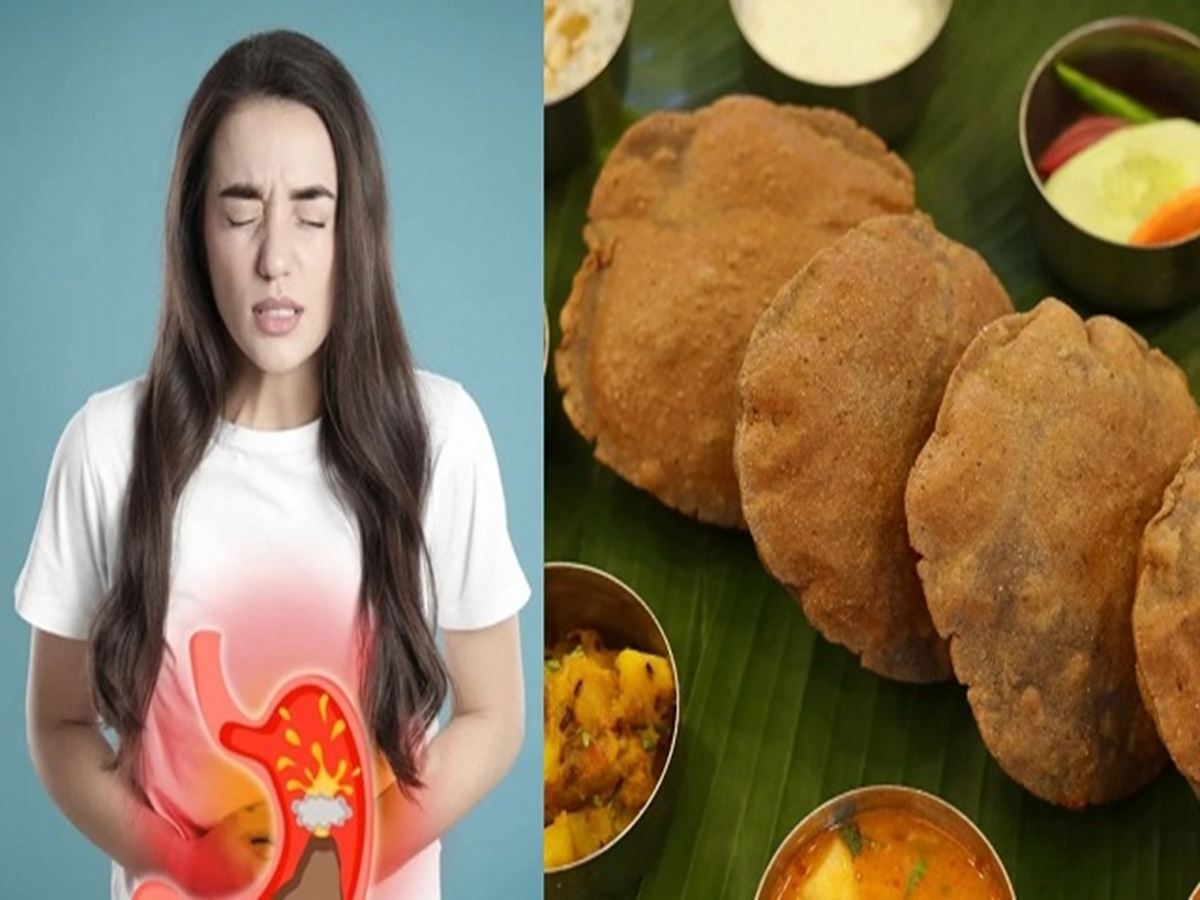
Mistakes to Avoid While Breaking Your Fast: After observing the Karwa Chauth fast, women look forward to breaking it once they have sighted the moon and completed the rituals. Drinking water and enjoying favorite dishes after staying hungry and thirsty all day brings great relief. However, making certain mistakes—whether intentionally or unintentionally—while breaking the fast can lead to digestive issues, such as bloating, gas, acidity, nausea, and a feeling of heaviness in the stomach. Therefore, it is essential to follow the right approach to eating and drinking when breaking your fast.
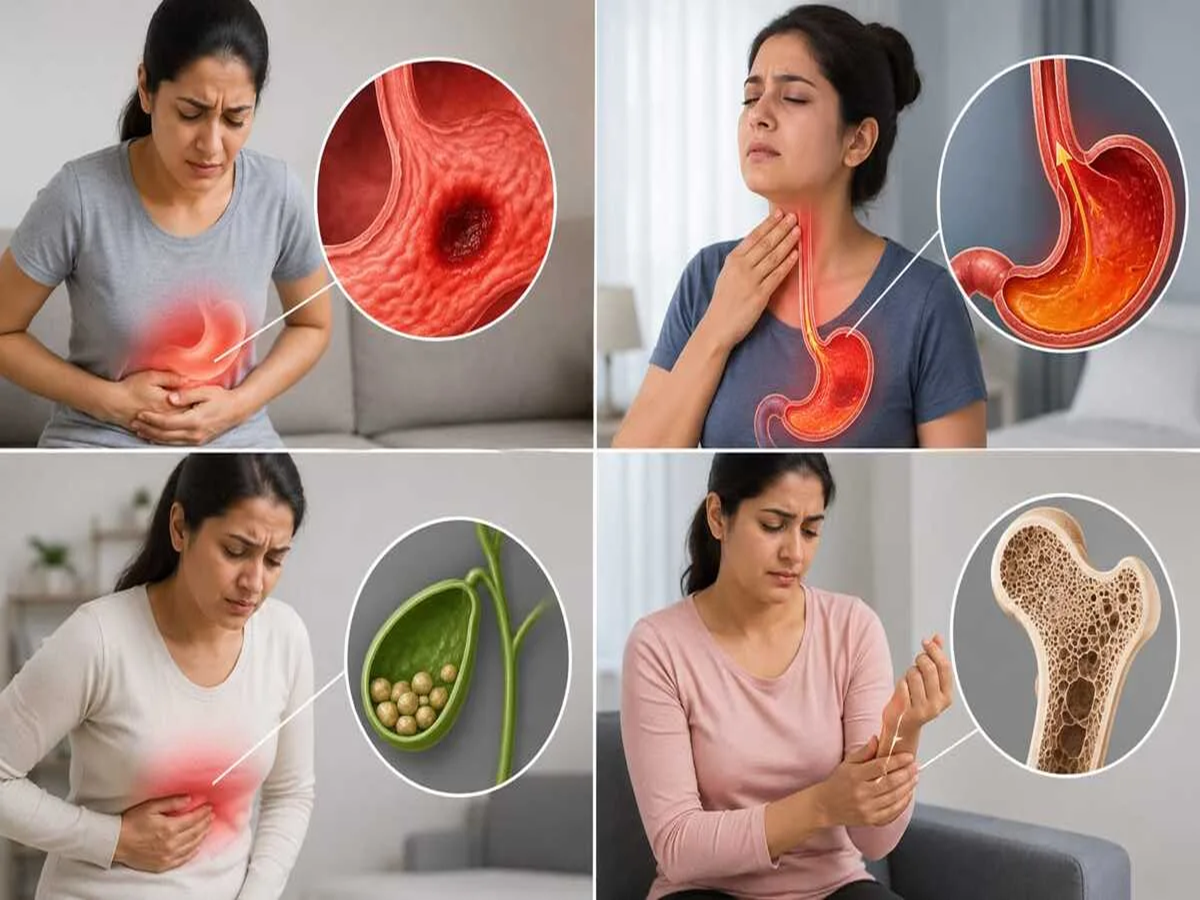
According to Dr. Saurabh Bansal, a General, Minimal Access, and Gastrointestinal Surgeon, eating slowly, consuming adequate water, and avoiding heavy meals after breaking a fast can help keep the digestive system healthy. Let’s learn from him about 5 mistakes to avoid when breaking your fast.
5 Mistakes to Avoid When Breaking Your Karwa Chauth Fast
According to Dr. Saurabh Bansal, one must be careful about what and how much one consumes after breaking a fast. Eating or drinking too much all at once after a full day of fasting can cause abdominal discomfort. Here are the mistakes you should avoid:
1. Eating a large, heavy meal immediately upon breaking the fast
It is natural to feel very hungry after fasting all day, but consuming a large amount of food right away can lead to a feeling of heaviness and discomfort. Instead, start with a small amount of water and a light meal. Eat slowly and stop once you feel full. Follow this with a balanced meal that includes carbohydrates, protein, and vegetables.
2. Consuming fried or spicy foods right at the start
On Karwa Chauth, one might be tempted to eat items like pakoras, puris, kachoris, or spicy dishes. However, high-fat foods take longer to digest and can trigger acidity or acid reflux in some individuals. Spicy food can also exacerbate symptoms in some people.
What to do: After breaking your fast, start with light options such as lentils (dal), *khichdi*, soft *rotis*, or cooked vegetables. Consume fried or oily foods only in small quantities.
3. Drinking too much water at once
After not drinking water all day, you might feel like consuming several glasses at once. However, drinking a large amount of water quickly can lead to bloating or nausea.
What to do: Drink water slowly and in small amounts. Continue to drink water regularly throughout the evening, and do not rely solely on sugary drinks to quench your thirst. If you experience serious symptoms like dizziness, fainting, or confusion, seek medical attention immediately.
4. Consuming only sweets on an empty stomach
Sweets hold special significance on Karwa Chauth, but eating several of them on an empty stomach right after breaking your fast is not a good idea. Consuming a large amount of sugar at once can cause a rapid spike in blood sugar levels, especially in individuals with diabetes.
What to do: Consume sweets in small portions, and eat them alongside a balanced meal or after finishing your meal. If you have diabetes, follow your doctor’s advice regarding fasting and medication, and monitor your blood sugar levels as instructed.
5. Lying down immediately after eating
After the *puja* and dinner, you might feel like going straight to bed due to fatigue. However, lying down immediately after a heavy meal can increase the risk of heartburn, acidity, and acid reflux.
What to do: Remain seated upright or stand for a while after eating. If you feel comfortable, you could go for a light walk. Those who frequently suffer from acidity, in particular, should ensure a gap of about 2 to 3 hours between their meal and bedtime.
Tips for maintaining a healthy digestive system after breaking a fast:
Eat slowly: Avoid rushing while eating.
Drink water regularly: Stay hydrated by sipping water gradually, rather than consuming a large amount all at once.
Eat a balanced meal: Include items like lentils (dal), vegetables, roti (flatbread), or other nutritious options.
Limit sweets: Exercise caution, especially if you have diabetes.
Do not sleep immediately after eating: Remain upright for a while after your meal; you may also go for a light walk.
PC Social Media