LIFESTYLE
Karwa Chauth 2026: First Karwa Chauth after marriage? New brides must avoid these mistakes..

The first Karwa Chauth after marriage is considered a special occasion for every new bride. Along with the excitement, it often brings several questions to mind: When should the *sargi* be consumed? How should the fast begin? What items are required for the *puja* (worship)? And how should the fast be broken once the moon appears? Different families follow their own unique traditions regarding these aspects. Therefore, it is important for women observing Karwa Chauth for the first time to understand their family's specific customs and prepare for the *puja* well in advance.

Traditionally, Karwa Chauth is a festival centered around fasting and worship by married women. Many observe this fast with the wish for their husband’s long life and a happy marital life. As it is the first Karwa Chauth following the wedding, the preparations—including attire, *shringar* (adornments), *sargi*, and the *puja*—hold special significance for a new bride. However, not every ritual is mandatory in every family. Let’s look at some key points to keep in mind for your first Karwa Chauth.
Consume *sargi* on time
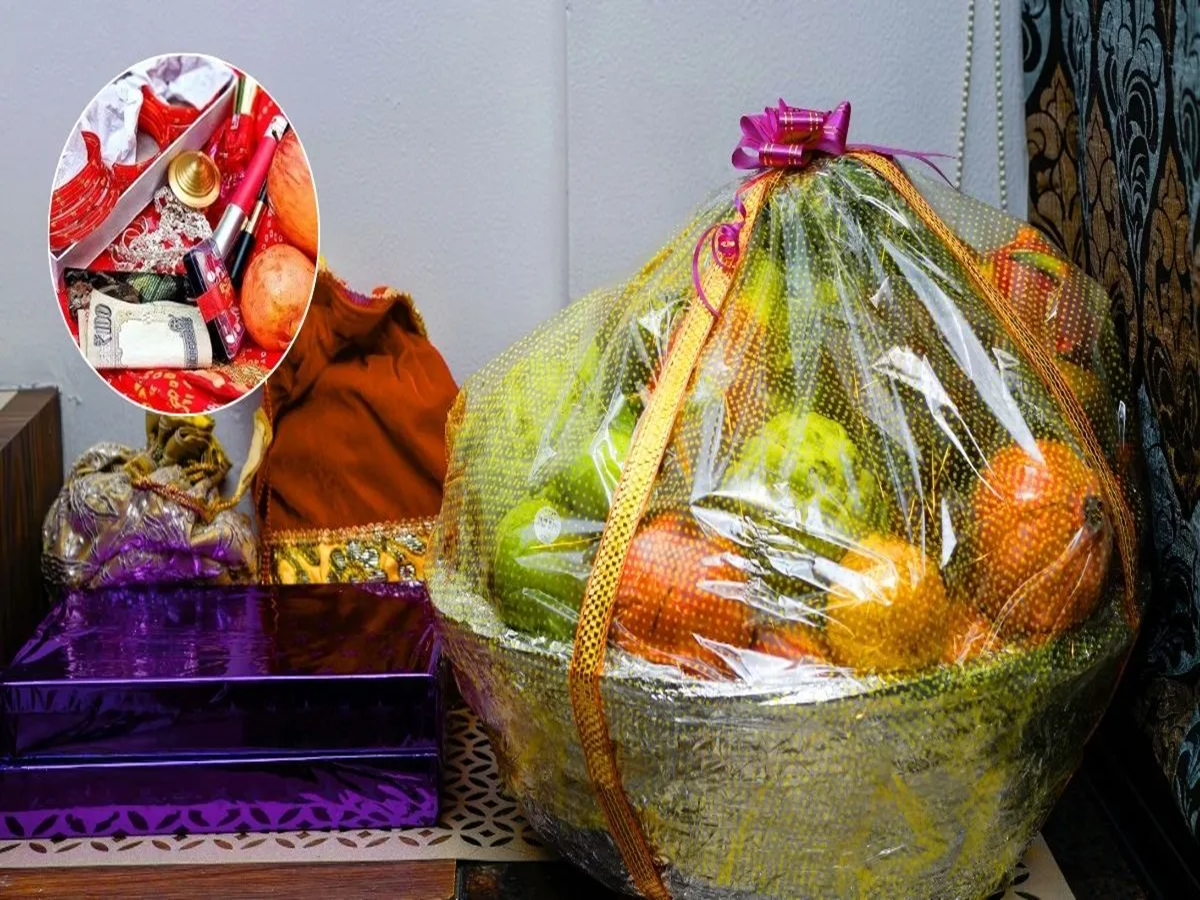
In many families, the mother-in-law provides *sargi* to her daughter-in-law, which may include fruits, sweets, dry fruits, and other food items. This is consumed early in the morning, before sunrise. It is advisable to clarify in advance—based on your family's traditions—what should be included in the *sargi* and when it should be eaten. It is also important to ensure adequate water intake.
Prepare for the *puja* in advance.
For the Karwa Chauth *puja*, you can keep items like the *karwa* (earthen pot), *diya* (lamp), *roli* (vermilion), *akshat* (unbroken rice grains), sweets, fruits, and a *puja thali* (worship tray) ready. Many families follow the custom of listening to the Karwa Chauth *katha* (narrative) and performing traditional worship. The timing and procedure for the *puja* should be determined according to the local *panchang* (almanac) and your family's specific traditions.
Choose your traditional attire and *shringar*
For their first Karwa Chauth, many new brides wear a *saree* or *lehenga* and adorn themselves with bangles, a *bindi*, *sindoor* (vermilion), and other traditional ornaments. However, wearing a specific color or type of clothing is not mandatory everywhere. Choose your attire according to your own comfort and preferences.
Understand the traditions of your mother-in-law’s family.
In some families, it is customary to offer gifts (*bayna*) to the mother-in-law, seek blessings, and perform rituals with other relatives. Consult the elders in the family about these traditions to avoid any confusion during your preparations.
Perform the *puja* and break your fast once the moon appears.
According to tradition, once the moon becomes visible, women offer *arghya* (a ritual offering) to the moon, perform *puja*, and then break their fast. The time of moonrise can vary by city, so be sure to verify the local timing.
Avoid these common mistakes.
Do not wait until the last minute to gather items for the *puja*, ensure you are familiar with your family’s specific traditions before performing any rituals, and do not neglect your health. If you are pregnant, have diabetes, or suffer from any other health condition, consult a doctor before observing a *nirjala* (waterless) fast. If you experience weakness, dizziness, or feel unwell, prioritize your health.
PC Social Media