LIFESTYLE
Krishna Janmotsav in Mathura-Vrindavan on September 4; a rare celestial alignment occurring after 15 years—find out when Nandotsav is..
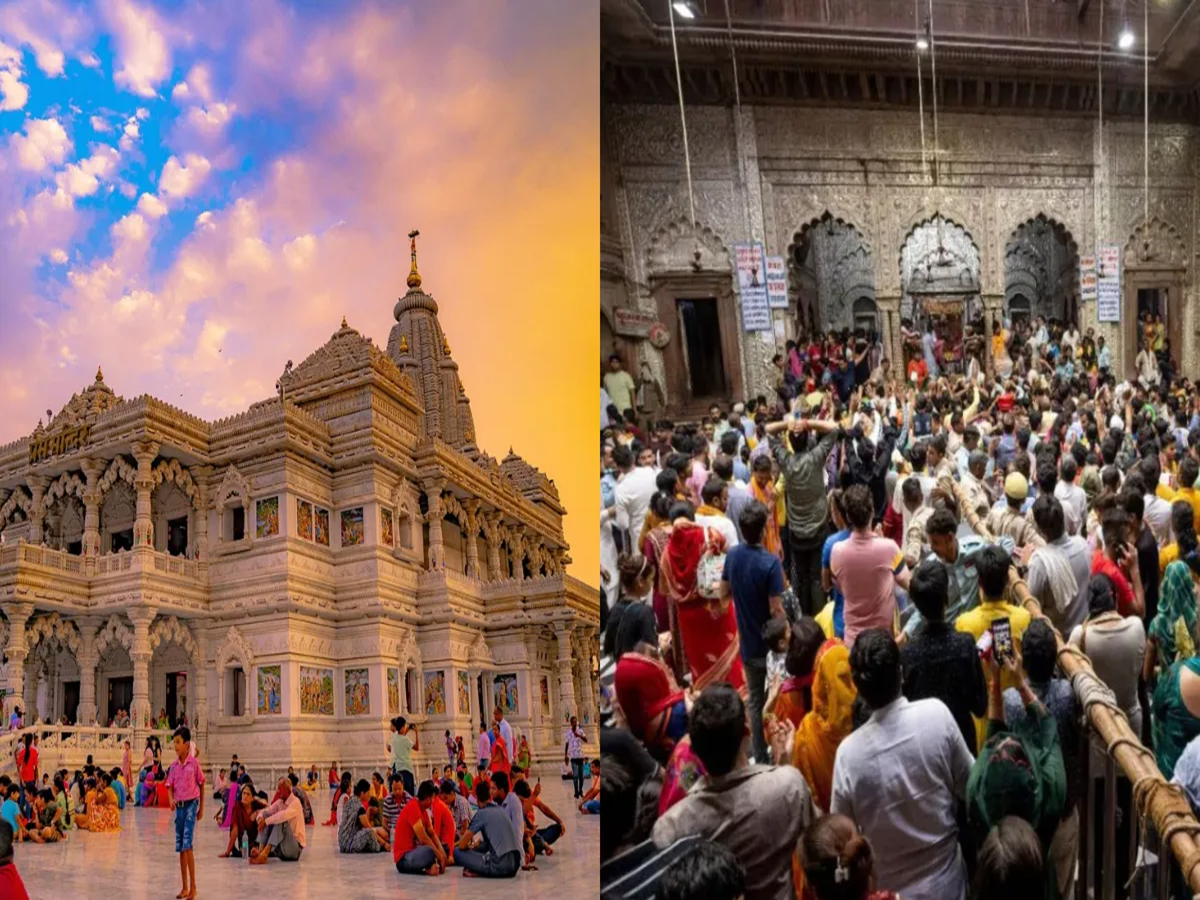
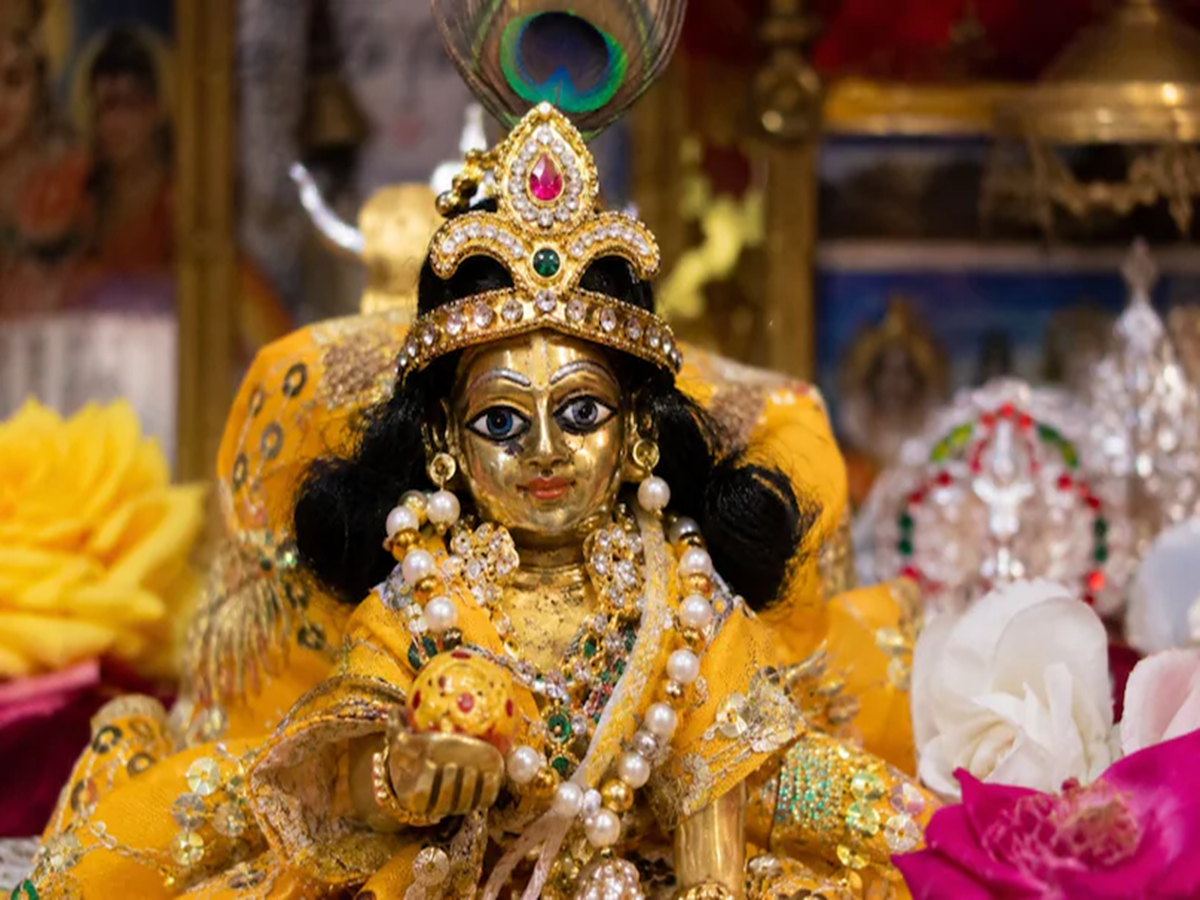
Mathura Krishna Janmashtami 2026: The festival of Krishna Janmashtami is celebrated with great enthusiasm across the country every year on the *Ashtami* (eighth day) of the *Krishna Paksha* (waning phase of the moon) in the month of Bhadrapada. It is believed that Lord Krishna—the eighth avatar of Lord Vishnu—was born in a Mathura prison at midnight on this sacred day under the *Rohini Nakshatra* (constellation). This year, the Janmashtami festival in Mathura (Lord Krishna's birthplace) and Vrindavan (the land of his divine pastimes) will be marked by a very special celestial alignment. In 2026, the Krishna Janmotsav (birth celebration) will be observed on Friday, September 4, while the festivities of *Nandotsav* will take place the following day, September 5. A rare celestial alignment is occurring on Krishna Janmashtami this year after a gap of 15 years. Let us find out when *Nandotsav* will be celebrated.
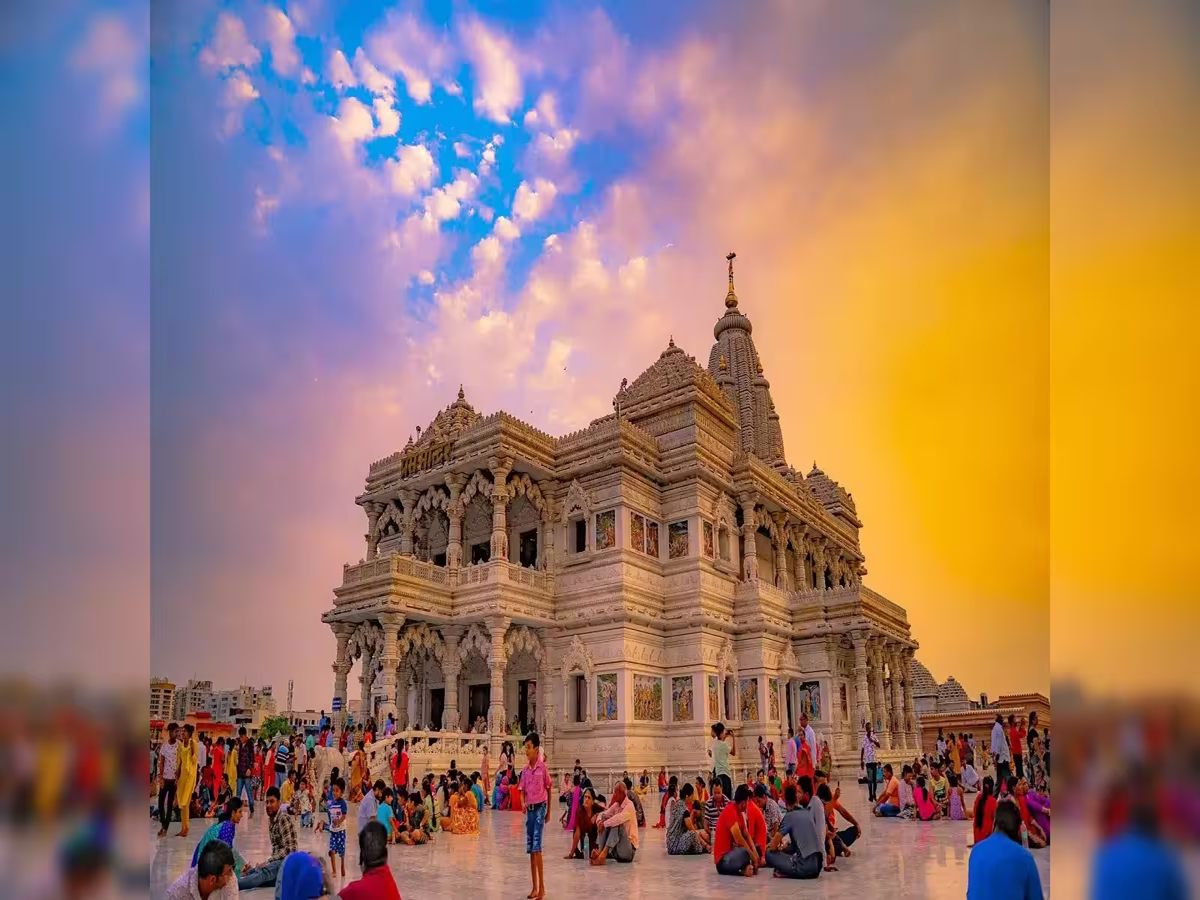
**Krishna Janmashtami Festival on September 4**
According to the *Panchang* (Hindu almanac), the *Ashtami* tithi of the *Krishna Paksha* in the month of Bhadrapada will begin at 2:25 AM on September 4 and continue until 12:13 AM on September 5. Based on the *Udaya Tithi* (the tithi prevailing at sunrise), the Krishna Janmashtami festival will be celebrated across India—including Mathura and Vrindavan—on Friday, September 4. Additionally, the *Rohini Nakshatra* will prevail until 11:04 PM on that day.
**Difference in Janmashtami Dates: Householder vs. Vaishnava Traditions**
People often experience confusion regarding the date of Janmashtami. This stems from the differing methods used to determine the fasting day across various religious traditions. In the *Smart* tradition, householders generally prioritize the *Ashtami* tithi that falls during the *Nishith Kaal* (midnight period). In their tradition, the date is determined by the confluence of the *Saptami* (seventh day) and *Ashtami* tithis.
Conversely, in the *Vaishnava* tradition, the fasting date is determined by considering the *Ashtami* tithi, *Rohini Nakshatra*, and other *Panchang* rules associated with Lord Krishna's birth. They never observe the Janmashtami festival on a day that overlaps with the *Saptami* tithi. Consequently, differences in dates may be observed across these traditions.
**Nishith Puja Timing**
However, the main Krishna Janmotsav celebration in Mathura and Vrindavan will take place on September 4. According to the Mathura almanac (*Panchang*), the time for *Nishith Puja* (midnight worship) will be from approximately 11:56 PM on September 4 to 12:41 AM on September 5. During this period, the rituals of *Abhishek* (ceremonial bathing), *Puja* (worship), *Aarti*, and the birth celebration of the Lord will take place.
**A Rare Confluence After 15 Years**
The festival of Krishna Janmashtami will be celebrated across the entire Braj region, including Mathura and Vrindavan, on September 4. This year, after a gap of 15 years, the birth celebration of Lord Krishna will coincide with both the *Ashtami Tithi* (eighth day of the lunar fortnight) and the *Rohini Nakshatra* (constellation). In the *Dvapara Yuga*, Lord Krishna was born at midnight during the *Ashtami Tithi* and *Rohini Nakshatra*; a similar rare alignment is occurring this Janmashtami. Often, while *Ashtami Tithi* falls on Janmashtami, the coincidence with *Rohini Nakshatra* does not occur; however, this year, both align on the same day. For this reason, the festival is considered particularly special this time.
**Significance of Janmashtami**
According to religious belief, Lord Krishna was born at midnight in Kansa's prison as the son of Devaki and Vasudeva on the *Ashtami Tithi* of the *Bhadrapada Krishna Paksha* (dark fortnight of the month of Bhadrapada). Therefore, on Janmashtami, devotees observe a fast throughout the day and perform worship at night—marking the time of the Lord's birth—by offering *Makhan-Mishri* (butter and rock sugar), fruits, and *Panchamrit*. It is believed that worshipping Lord Krishna with faith and devotion fulfills wishes for happiness, peace, and prosperity in life.
**Why is *Rohini Nakshatra* Special?**
The *Rohini Nakshatra* is considered to have a special connection with the birth of Lord Krishna. It is believed that the Lord was born during the confluence of *Ashtami Tithi* and *Rohini Nakshatra*. Consequently, the alignment of *Rohini Nakshatra* on Janmashtami further enhances the religious significance of the festival. A special alignment involving *Rohini Nakshatra* is occurring on September 4; the *Rohini Nakshatra* begins at 12:29 AM on September 4 and continues until 11:04 PM that night.
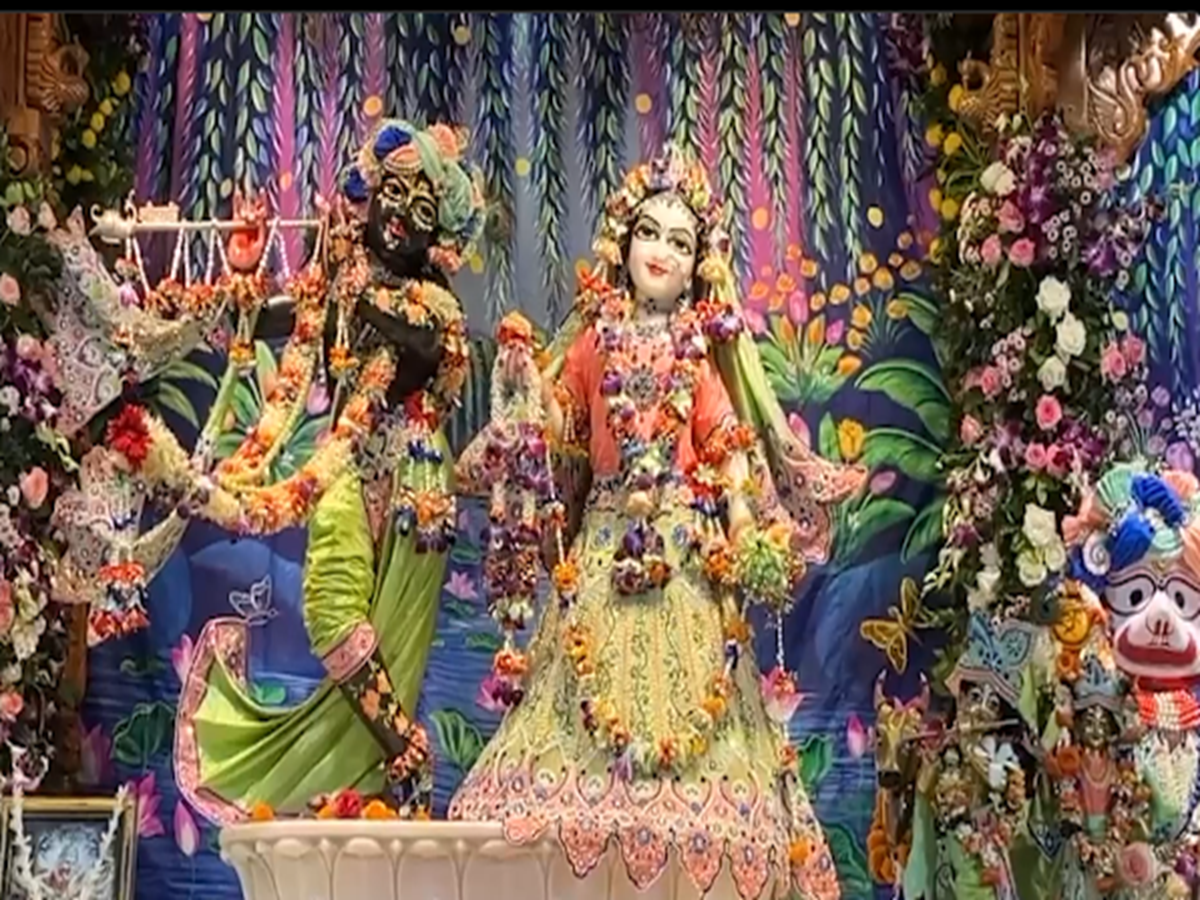
**Nandotsav on September 5**
*Nandotsav* is celebrated on the day following Krishna's birth, in accordance with the traditions of Gokul and Vrindavan. On this day, it is customary to celebrate the joy of the infant Krishna's birth at the home of Nand Baba. Special *darshan*, *bhog* (ritual food offerings), and festivities are organized in the temples of Vrindavan. Thus, the celebration of Krishna's birth at midnight on September 4 and *Nandotsav* on September 5 will combine to form a special two-day spiritual festival for devotees in the Braj region.
PC Social Media