Parenting
Parenting Tips: Can breast milk cause jaundice in a newborn baby? Understand this from a doctor..

Parents are often very worried about the diagnosis of jaundice in newborns. However, most cases of jaundice in newborns are harmless and can be easily treated with timely and appropriate medical care. Jaundice in newborns is a common problem that occurs in the first few weeks after birth. There are several reasons for jaundice in infants, one of which is breast milk. This is also called breast milk jaundice. This problem often occurs in the first week of life when breastfeeding is initiated.
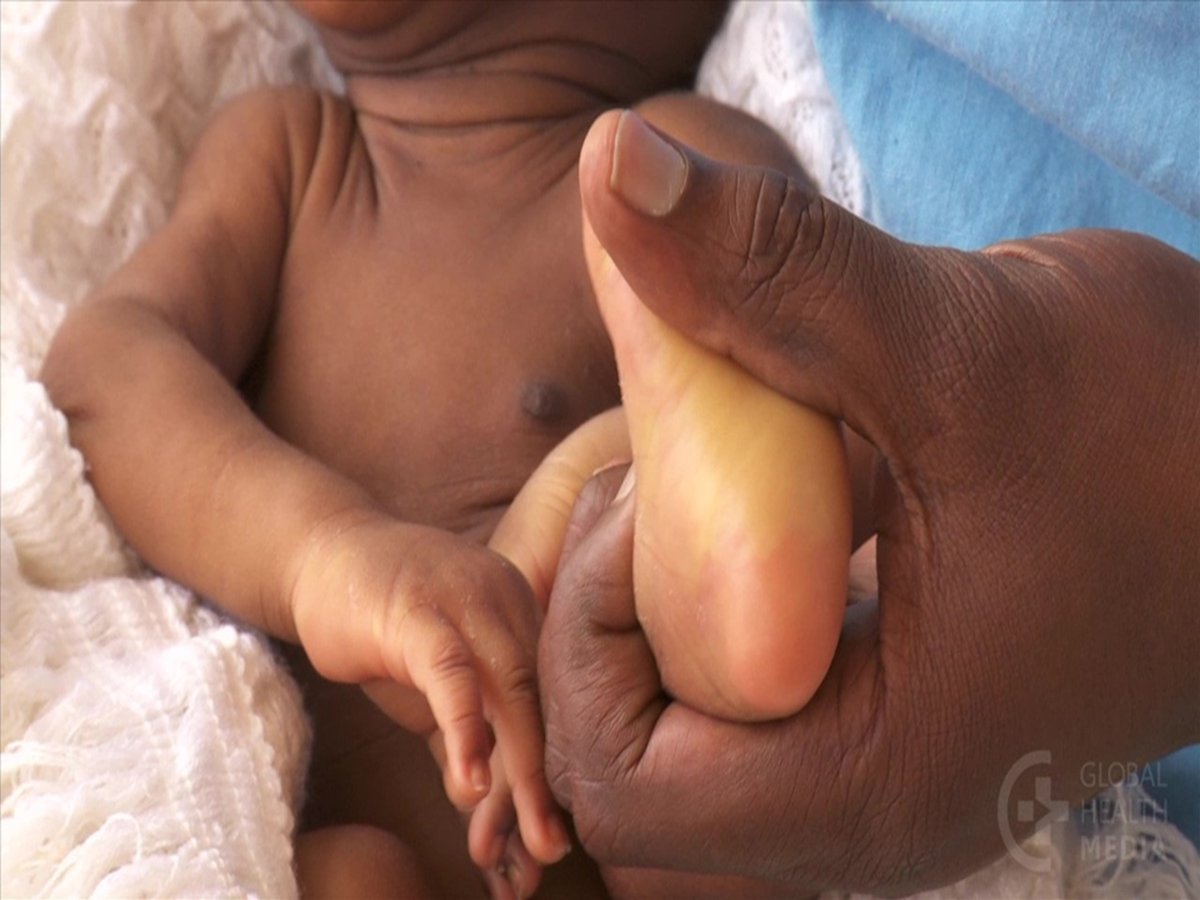
Dr. Shagun Walia, Pediatric Endocrinologist, Medanta Hospital, Noida, explains that breast milk jaundice usually occurs in the first and second weeks. During this time, when the baby does not receive sufficient breast milk, it leads to increased absorption of bilirubin in the intestines, as the liver is not fully developed at this stage. This causes the bilirubin level in the blood to rise, and the skin turns yellow.
How is Breast Milk Jaundice Treated?
The doctor explains that in most cases, breast milk jaundice does not require any treatment other than monitoring and observation of bilirubin levels.
Should Breastfeeding be Stopped?
The doctor does not recommend stopping breastfeeding in cases of breast milk jaundice. This is because breast milk provides nutritional and immunological benefits. Temporary interruption of breastfeeding should only be done under strict medical supervision in rare cases where bilirubin levels rise to a critical level.
Can Breast Milk Jaundice be Prevented?
There is no way to prevent breast milk jaundice as it is related to the unique composition of breast milk. Instead of focusing on prevention, the emphasis should be on identifying the underlying cause of jaundice and managing that cause appropriately.
How is Infant Jaundice Treated?
Phototherapy is the most common method of treatment and is also the most effective way to treat mild to moderate cases of jaundice in newborns. Light therapy converts bilirubin in the baby's body into a form that the baby can quickly eliminate through urine and stool. Infants with severe jaundice may require an exchange transfusion, although this is rare. In addition to phototherapy, some babies may need further testing and treatment, which may include medications, antivirals, phenobarbital, steroids, or surgery.
PC Social Media