Parenting
Parenting Tips: How to care for a newborn baby in winter? Take care of your newborn in these 5 ways..
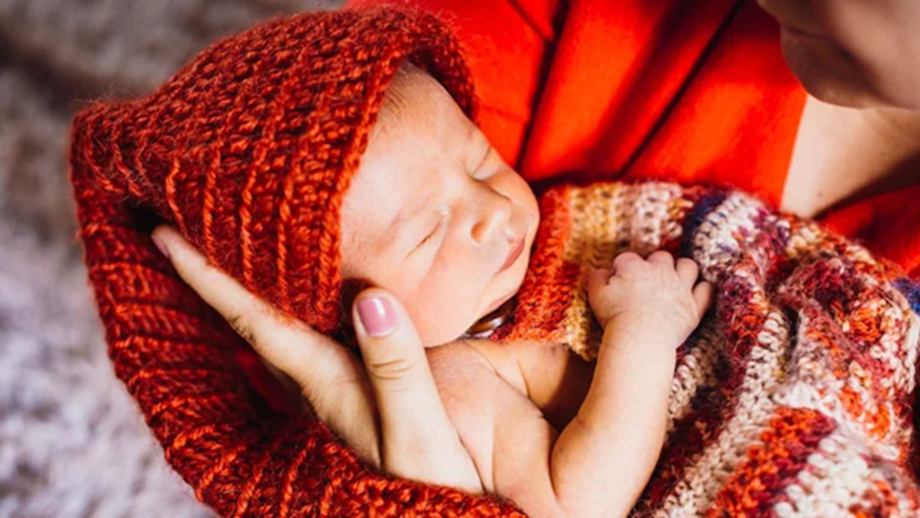
Baby Winter Care Tips: Taking care of one's health is very important during the winter season. Whether young or old, everyone is susceptible to colds, coughs, and seasonal illnesses during this time. Therefore, caring for a newborn becomes crucial, as their skin and body are still developing. Dr. N. Varsha Monica Reddy, Consultant Pediatric Neurologist at Yashoda Hospitals in Hyderabad, explained what to do to care for a newborn baby during the winter season.

Baby Safety
The ideal temperature range for the room is 20–22°C (68–72°F). To reduce the risk of suffocation, use a sleep sack or wearable blanket instead of loose blankets. Place the baby on their back in the crib, ensuring there are no pillows, bumpers, or heavy blankets. Cover their head, hands, and feet when outdoors. A hat is not necessary indoors unless the room is drafty.
Hydration and Moisturizing
During the winter months, ensure your baby stays well-hydrated and moisturized. Newborns should be bathed every two to three days with lukewarm water and fragrance-free products like petroleum jelly, as the cold air can dehydrate their delicate skin, leading to cracks or dermatitis. Babies don't need extra water, so continue to feed them formula or breast milk regularly. Check for signs of dehydration by checking wet diapers; aim for at least six diaper changes every day.
Boost Immunity
Winter brings viruses like the flu and RSV. Ensure your child's vaccinations are up to date, including the flu shot, starting at six months of age. Limit visitors, especially those with colds or coughs, and ensure they wash their hands. To combat the dry indoor air caused by heaters and to alleviate congestion and coughs, use a cool-mist humidifier.

Things to consider before going outside:
If it's not too cold, short walks are fine. Avoid going outside if it's windy or there is air pollution.
Signs of trouble?
Lethargy, poor feeding, a fever above 38°C (100.4°F), or difficulty breathing require immediate medical attention.
PC Social Media