Parenting
Parenting Tips: If you spot these 6 red flags in the grandmother-grandson relationship, be alert immediately..
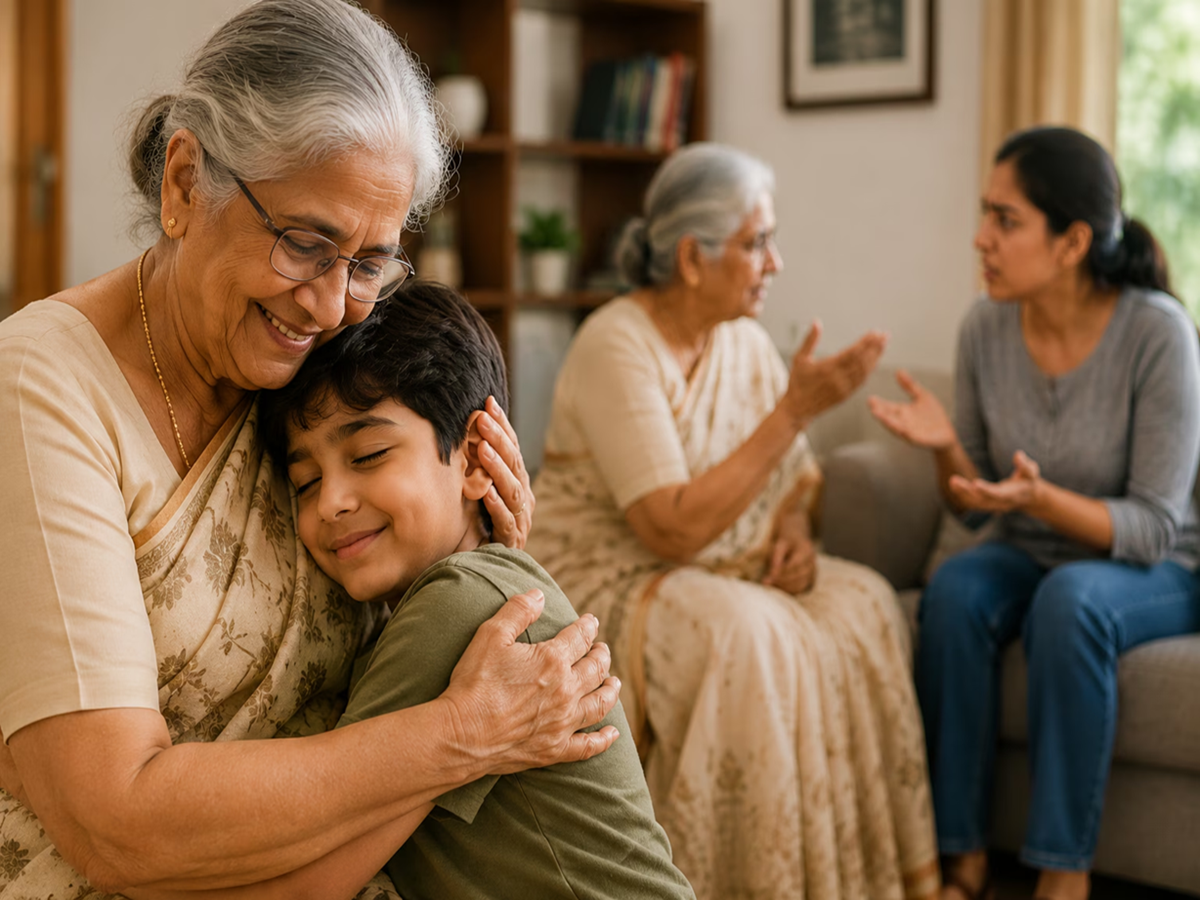
Grandparent-Grandchild Relationship: Having grandparents at home acts as a powerful emotional safety net for children. They are often the first ones with whom children share their thoughts, fears, mistakes, and troubles. Especially during the teenage years—when children might fear being scolded or judged by their parents—grandparents often become a safe haven for them. However, the question arises: is this relationship always beneficial? Experts believe that without proper boundaries, this deep affection can lead to tension and conflict within the entire family.

Why is having grandparents at home so special?
According to psychologist Silvia Merida Exposito, grandparents who listen to children without prejudice and offer emotional support are known as "sanctuary grandparents." Such grandparents instill confidence in children, assuring them that their love remains unwavering even if a mistake is made.
The role of parents is often tied to discipline, academics, rules, and household responsibilities, which can make children hesitant to speak openly with them. In contrast, grandparents face less pressure regarding daily responsibilities, allowing them to listen to children with greater patience and understanding.
When boundaries in affection begin to blur
Listening without judgment does not mean condoning a child's misconduct. Problems arise when grandparents take the child's side in a way that undermines the parents' authority. Remarks like "Don't tell your mom about this" or "Your dad doesn't understand you" create confusion in the child's mind and can drive a wedge between the parents and the grandparents. 6 Red Flags: When Rifts Appear in Relationships
According to psychologist Sylvia, immediate attention is required if these six signs begin to appear within the family:
**Distance from parents:** The child shares everything—big or small—only with the grandparents and begins to completely withdraw from the parents.
**Concealing information:** Grandparents start hiding important details regarding the child's safety or behavior from the parents.
**Taking over parenting:** Grandparents begin making key decisions regarding the child's education, discipline, or life choices instead of the parents.
**Unnecessary guilt:** Grandparents start feeling guilty if they are not available for the children at all times.
**Mutual bitterness:** Constant arguments or tension arise between the parents and the elderly regarding the child's upbringing and rules.
**Neglecting personal health:** Caring for the grandchildren begins to negatively impact the grandparents' own health, sleep, and personal lives.

**Boundaries Are as Important as Affection**
Grandparents' affection is vital for a child's mental development and self-confidence. However, for a healthy family environment, it is essential that the elderly offer support without attempting to take the place of the parents. A child grows up in a balanced and secure environment only when all family members respect their respective boundaries and roles.
PC Social Media