Parenting
Parents often make these 5 mistakes while raising their children—only to regret them later..

Every parent wants their child to be sensible, self-confident, and happy. To this end, they put in their utmost effort; however, small, unintentional mistakes can often impact a child's behavior and mental development. In today's world, raising children is considered more challenging than ever before, as mobile phones, social media, academic pressure, and changing lifestyles are rapidly influencing children's mindsets. Consequently, it has become essential not only to instill discipline but also to understand and validate children's emotions. Experts believe that the treatment a child receives during their formative years significantly shapes their future mindset, self-confidence, and relationships.
**Constantly Comparing Them to Other Children**
Many parents tend to compare their children with others in the neighborhood, among relatives, or at school—making remarks such as, "Look how well *that* child studies," or "Why can't you be more like *them*?" While this may seem harmless at first, constant comparison can erode a child's self-confidence. Numerous studies have revealed that repeated comparisons can cause children to develop a sense of inferiority and lead to increased stress levels. Since every child possesses unique capabilities, interests, and learning styles, it is considered far more important to nurture them as individuals and encourage them to embrace their own distinct identities.
**Failing to Listen Attentively to Children**
In the hustle and bustle of modern life, many parents struggle to listen to their children with the seriousness and attention they deserve. Often, a child may wish to share thoughts regarding school, friends, or their own feelings, yet fail to receive their parents' undivided attention. Over time, children may begin to withdraw and stop sharing their thoughts and experiences. Psychologists suggest that if children are provided with an environment at home where they feel free to express themselves openly, they develop greater mental resilience. Paying close attention to even the seemingly trivial matters children bring up plays a vital role in strengthening the emotional bond between parents and children.
**Attempting to Exert Excessive Control**
Some parents feel the need to dictate every minute detail of their children's lives—from what clothes to wear and who to befriend, to what interests or preferences they should adopt. This constant interference and restriction can have one of two adverse effects: it may either cause children to become excessively stubborn and rebellious, or it may lead them to stop voicing their own opinions and asserting their individuality altogether. According to experts, giving children the freedom to make decisions regarding small matters helps boost their self-confidence. While discipline is essential, excessive control can stifle a child's mental autonomy.
**Turning Mobile Phones and Screens into Easy Solutions**
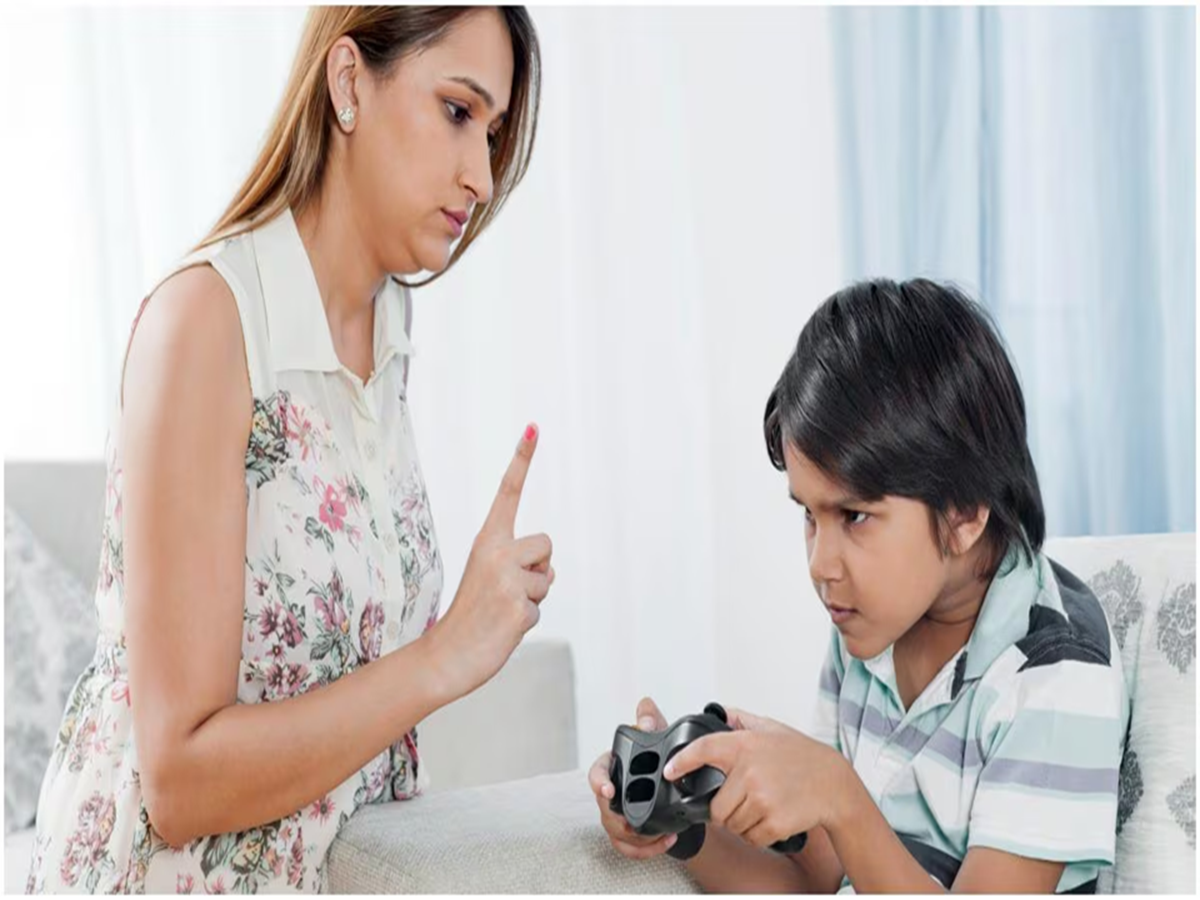
Nowadays, it has become very common to hand a mobile phone to young children to calm them down. From feeding them to stopping them from crying, many parents increasingly rely on screens. However, constant screen exposure can reduce children's physical activity and negatively impact their concentration. Many experts believe that excessive screen time can adversely affect both a child's sleep patterns and behavior. Therefore, it is considered crucial to encourage children to engage in outdoor activities, read books, and spend quality time with their families.

**Focusing Solely on Academics and Grades**
Many parents constantly expect their children to achieve high grades and deliver superior academic performance. While education is undoubtedly important, being under constant pressure can cause children to experience significant stress. Out of fear, some children even suppress their true interests and passions. Experts maintain that, alongside academics, play, relaxation, and creative pursuits are equally vital for a child's development. A balanced approach to parenting is considered the most beneficial for fostering a child's mental and emotional growth.
PC Social Media