LIFESTYLE
Pashmina Shawl: How to identify a genuine Pashmina shawl? Learn these 5 methods before spending thousands..
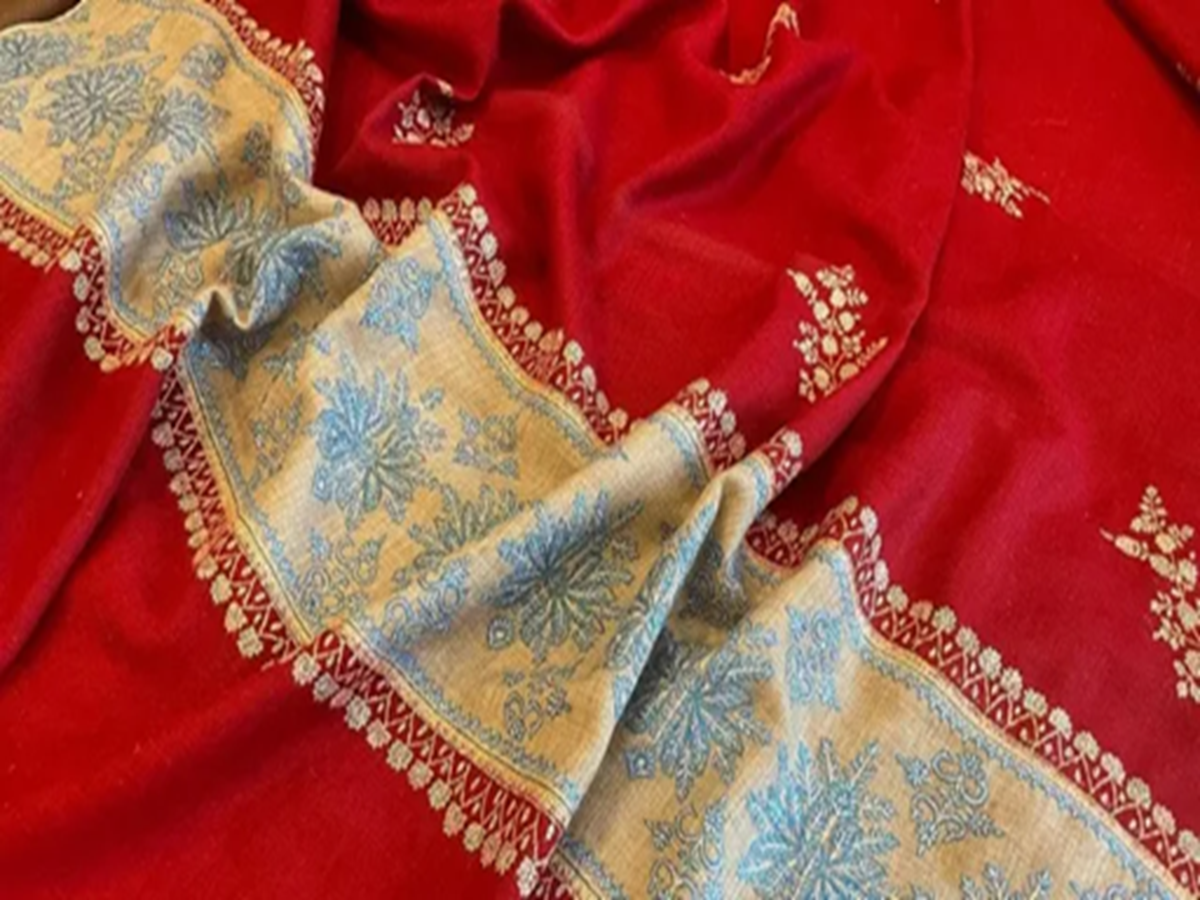
A Pashmina shawl is not just a woolen garment, but a legacy. However, the market is currently flooded with fake Pashmina shawls. So, if you ever plan to buy a Pashmina shawl, before spending a hefty sum of 30-40 thousand rupees, make sure it's genuinely Pashmina.
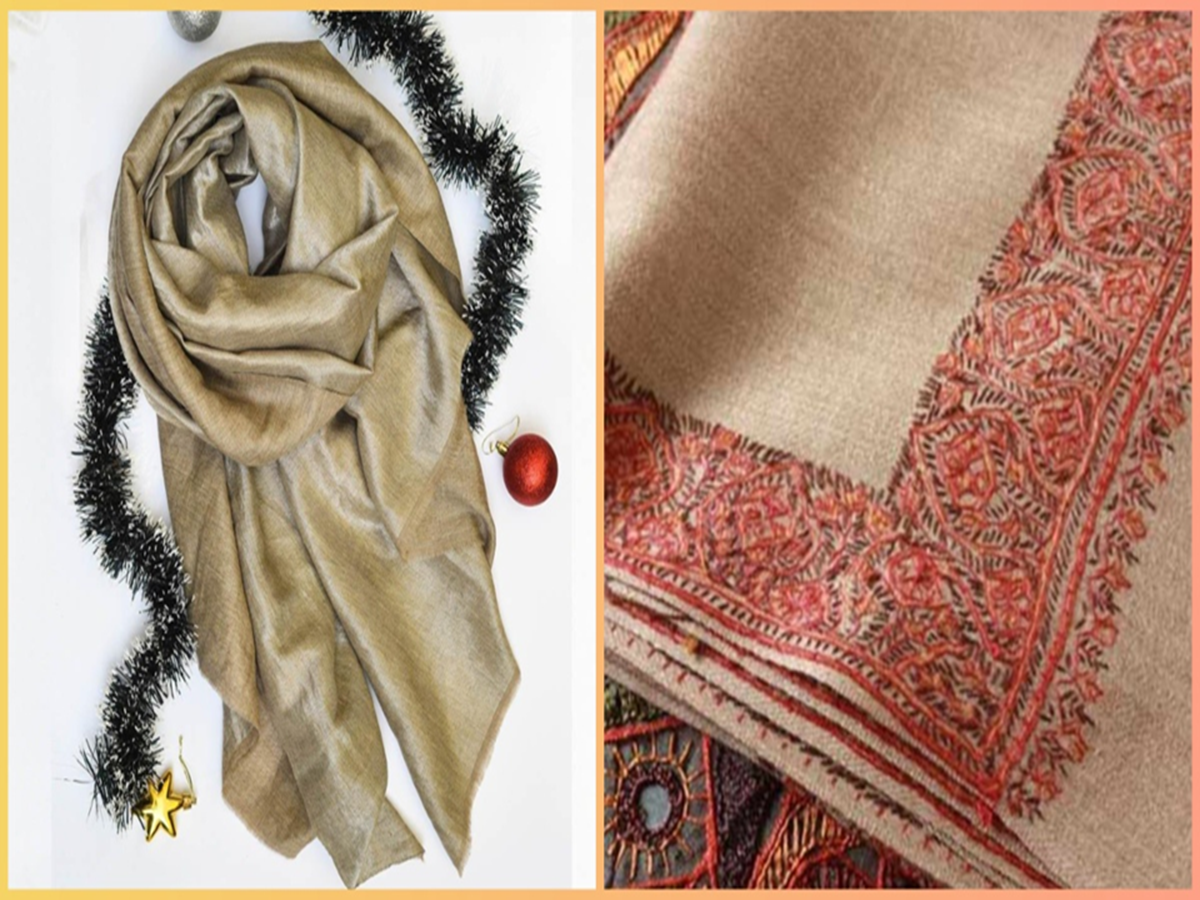
Fake and semi-synthetic Pashmina shawls can look exactly like the real thing at first glance. This is why customers are willing to pay a high price for them. But by keeping a few key points in mind, you can easily check the authenticity of Pashmina. Let's find out how.
Source and Quality of Wool
Authentic Pashmina is made from the ultra-fine undercoat of Changthangi goats found in Ladakh. These goats live in the extremely cold temperatures of Ladakh, which is why their hair is incredibly warm, soft, and lightweight. Therefore, no other type of wool can provide the same warmth as genuine Pashmina.
Lightweight
One of the biggest qualities of Pashmina is its weight. A genuine Pashmina shawl is so lightweight that you'll be surprised. A pure Pashmina shawl can weigh approximately 180 grams, while a Pashmina stole can be as light as 95 grams. If the shawl feels heavy in your hand, its authenticity can be doubted.
Burn Test
The most accurate way to check for authenticity is the burn test. For this, take a small thread from the edge of the shawl and burn it.
Genuine Pashmina: It burns slowly like natural fibers and emits a smell like burning hair. After burning, the ash becomes a very fine powder. Fake Pashmina - When burned, fake or synthetic threads melt like plastic, emit a plastic-like odor, and harden instead of turning into ash.
Weaving and Finishing
Pashmina threads are so delicate and fine that they cannot be woven on machines. Therefore, genuine Pashmina is always handwoven. Machine-made fabrics often have a very precise and perfect finish, while handwoven Pashmina may show slight irregularities in the weave, which is proof of its authenticity. If a shopkeeper is selling you a shawl with a perfectly machine-like finish as genuine Pashmina, be cautious.
GI (Geographical Indication) Tag
Pashmina is an expensive investment, costing thousands of rupees. Therefore, always ask the shopkeeper for a GI tag when purchasing. This tag guarantees the authenticity of the product and its place of origin.
PC Social Media