LIFESTYLE
Pearl millet: From weight loss to improved digestion—here are the major benefits of consuming pearl millet in winter..
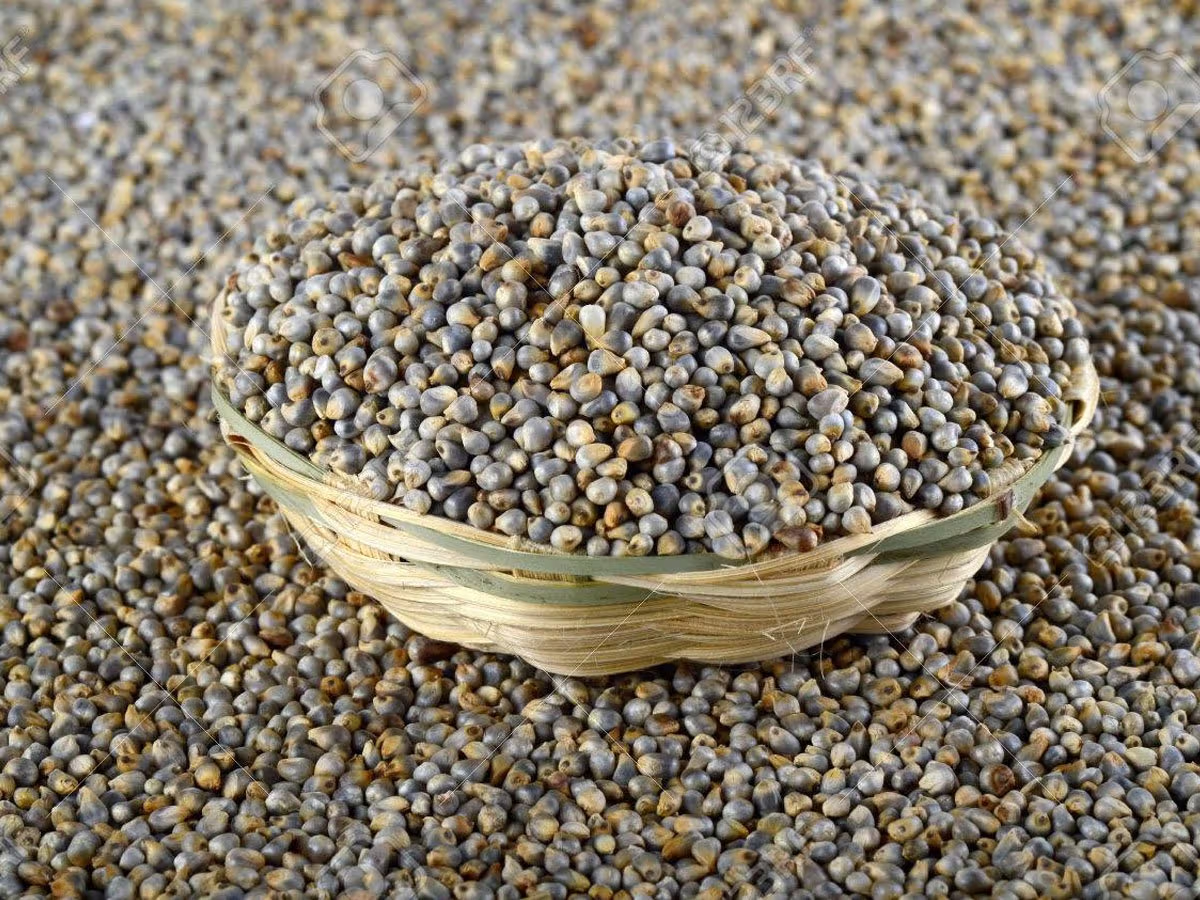
Health Benefits of Eating Bajra (Pearl Millet) in Winter: With the arrival of the winter season, many changes occur in our dietary habits. During this time, it is recommended to consume nutrient-rich foods to keep the body warm and maintain good health. One such food is *bajra* (pearl millet), often referred to as a "winter superfood." Not only does it provide energy, but it is also packed with fiber, protein, iron, magnesium, and other essential nutrients that offer numerous health benefits.
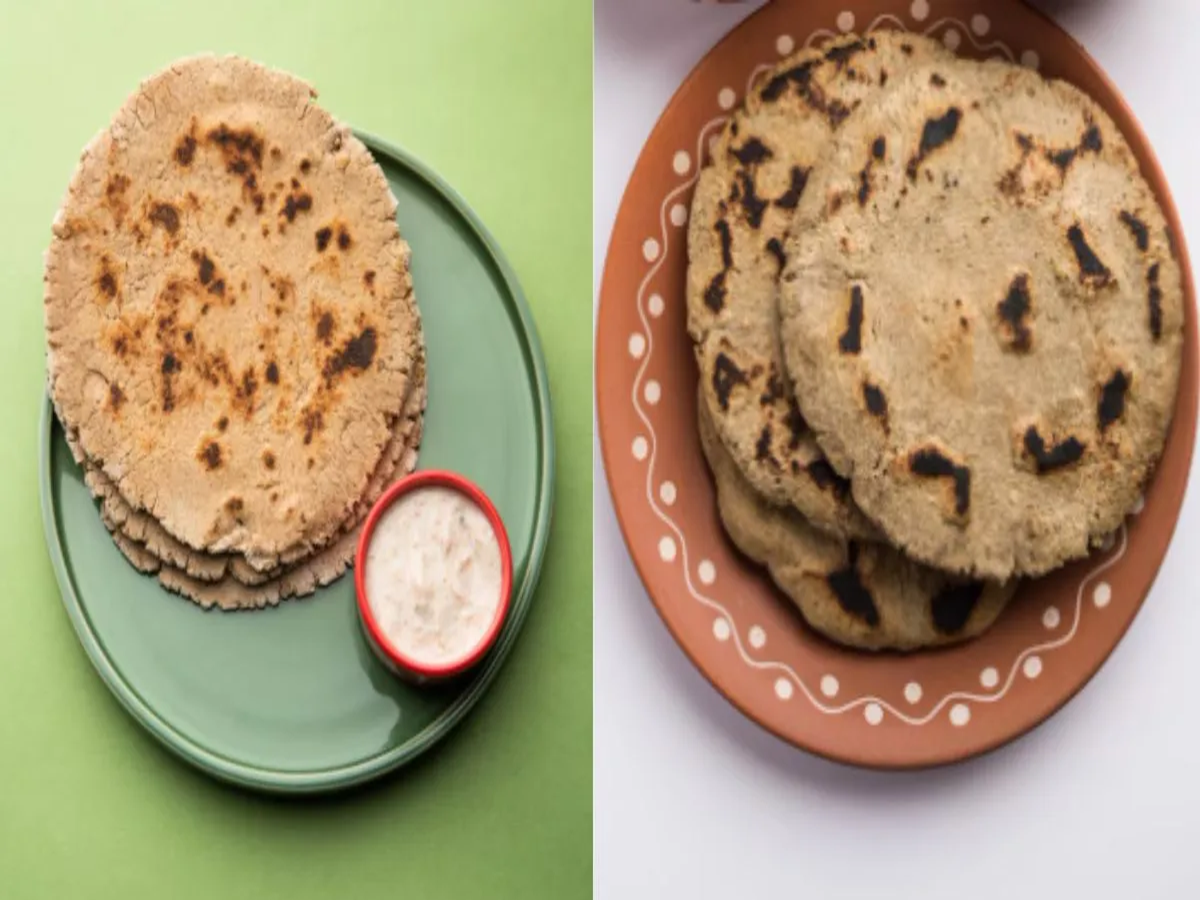
This is why nutritionists recommend including *bajra* in your winter diet. Dishes like *bajra* rotis (flatbreads), *khichdi*, and *daliya* (porridge) can easily be incorporated into your daily meals. But do you know exactly how *bajra* benefits the body during winter? Let’s explore its major health advantages.
Key Benefits of Consuming Bajra in Winter
Helps Keep the Body Warm
The practice of eating *bajra* in winter is a long-standing tradition. It is considered a grain with a "warming" nature. The carbohydrates and other nutrients it contains provide energy to the body. Including *bajra* rotis or *khichdi* in your winter diet is an excellent way to boost nutritional intake.
Supports a Healthy Digestive System
*Bajra* is a good source of dietary fiber, which helps maintain a healthy digestive system and prevents constipation. If you frequently experience digestive issues during the winter, incorporating a balanced amount of *bajra* into your diet can be beneficial.
Aids in Weight Management
If you are concerned about weight gain during the winter, *bajra* can be a great option. Its high fiber content helps you feel full for longer, which can prevent frequent hunger pangs and unnecessary snacking.
Beneficial for Heart Health
*Bajra* contains essential nutrients such as magnesium and fiber. Magnesium is essential for the proper functioning of the heart and muscles. Additionally, a diet rich in fiber can help maintain healthy cholesterol levels.
Nourishes the bones
Pearl millet (bajra) contains minerals such as phosphorus and magnesium, which are vital for the structural integrity and strength of bones. Including it in your diet during the winter can provide the body with essential nutrients.
Helps address iron deficiency
Pearl millet is a good plant-based source of iron. Iron is necessary for the body to produce hemoglobin, which transports oxygen through the bloodstream. However, the absorption of iron from pearl millet may be limited. Consuming it alongside vitamin C-rich foods—such as lemon or Indian gooseberry (amla)—can improve iron absorption.
Who should exercise caution when consuming pearl millet?
Individuals with an allergy to pearl millet should avoid it.
If you experience digestive issues, start by consuming it in small quantities.
Those with thyroid conditions should consume pearl millet in moderation and consult a doctor regarding their diet.
Patients with kidney disease should determine the appropriate intake of pearl millet based on their specific nutritional requirements.
PC Social Media