LIFESTYLE
Rules for Raksha Bandhan: Tilak first or Rakhi? Learn the complete ritual of tying Rakhi and the essential rules..

Rules for Tying Rakhi: While tying the Rakhi on a brother's wrist is the highlight of Raksha Bandhan, the ritualistic procedure followed during the ceremony is considered equally important. Households often face a dilemma regarding the sequence of events after arranging the *puja* (worship) thali: should the *tilak* be applied to the brother first, or should the Rakhi be tied on his wrist? Different families follow their own unique traditions. However, religious beliefs prescribe a specific order for the ceremony, in which the application of *tilak*, *akshat* (unbroken rice grains), and the performance of *aarti* hold special significance.
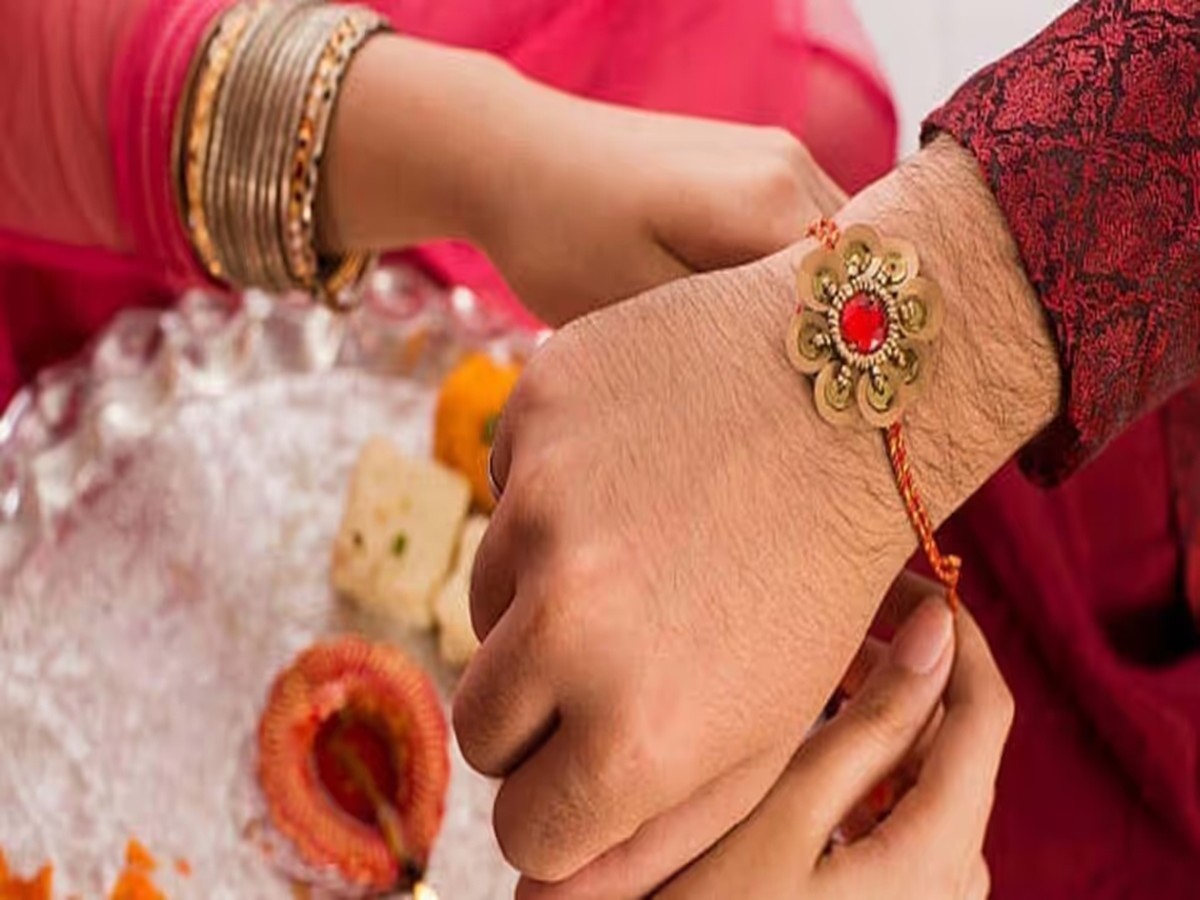
If you wish to perform the Raksha Bandhan rituals according to tradition, it is best to understand the correct sequence—from arranging the *thali* to tying the Rakhi. This ensures the rituals are conducted systematically while preserving the warmth and sweetness of the sibling bond.
*Tilak* or Rakhi First? Know the Correct Order
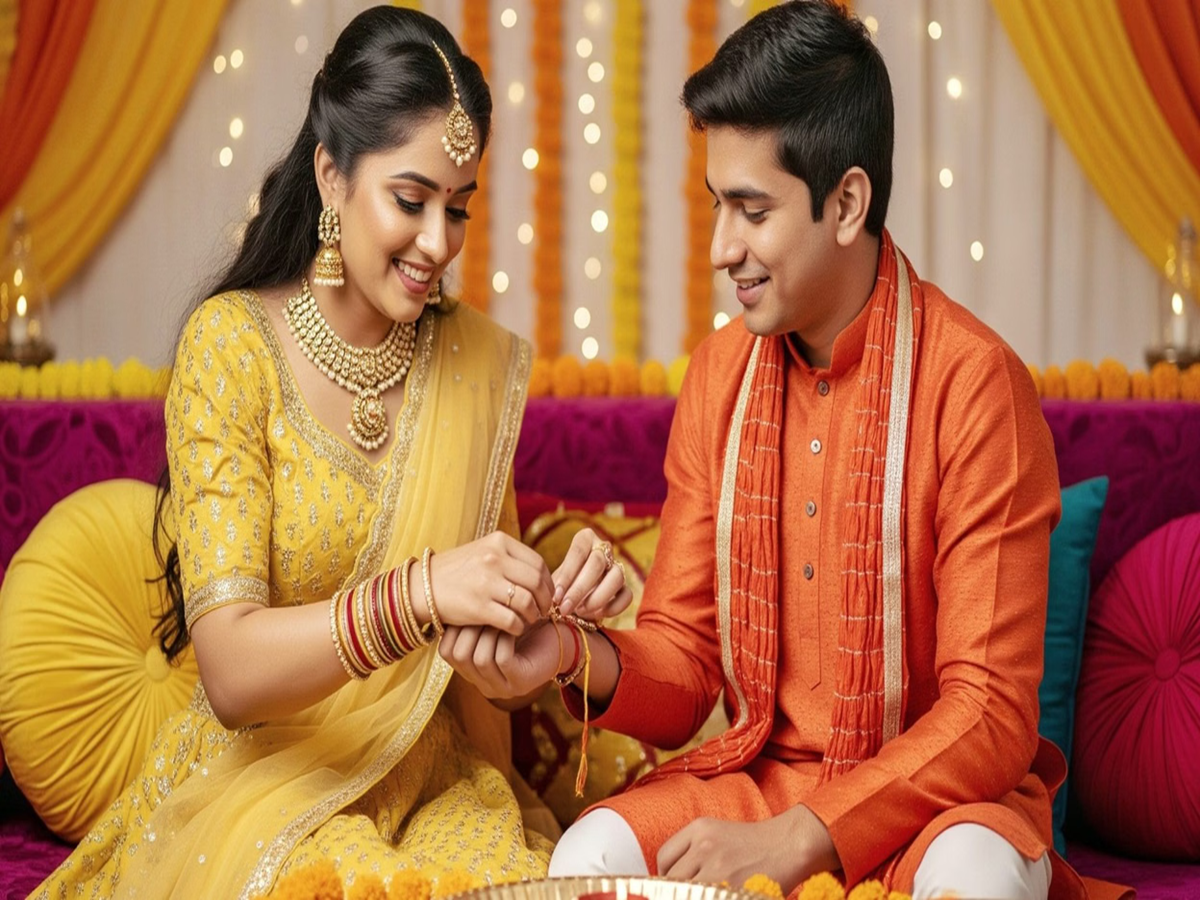
In the Raksha Bandhan ritual, the *tilak* is typically applied to the brother before the Rakhi is tied. The sister seats her brother before her and applies a *tilak* of *roli* (vermilion) or *kumkum* on his forehead. Following this, *akshat* (unbroken rice grains) is placed over the *tilak*. Once the *tilak* is applied, the Rakhi is tied on the brother's right wrist. While tying the Rakhi, the sister prays for her brother's happiness, prosperity, and longevity. Afterward, the *aarti* is performed, and the brother is offered sweets. However, this sequence may vary slightly depending on family traditions.
What to Include in the Raksha Bandhan *Thali*?
You do not need to gather an excessive number of items when preparing the Rakhi *puja thali*. You can include *roli* or *kumkum*, *akshat*, the Rakhi, a *diya* (lamp), sweets, and the materials required for the *aarti*. If you wish, you can make the *thali* even more beautiful by decorating it with flowers and a small *rangoli* design.
Nowadays, ready-made Raksha Bandhan *thalis* are available in the market, but there is a special charm to a *thali* decorated at home. This is especially true when a sister incorporates her brother's favorite colors or flowers; such small touches make the occasion truly memorable. The Complete Ritual of Rakhi
1. Seat the brother properly
First, seat the brother on a clean mat or *asana*. Try to ensure a peaceful atmosphere during the ceremony. The sister should then keep the *puja* (worship) thali close at hand.
2. Apply *Tilak* and *Akshat*
Apply a *tilak* of *roli* (vermilion) or *kumkum* on the brother's forehead and place *akshat* (unbroken rice grains) over it. In religious tradition, *akshat* symbolizes completeness and auspiciousness.
3. Tie the Rakhi on the right wrist
Next, tie the Rakhi on the brother's right wrist. While tying it, one prays for the brother's good health, happiness, and prosperity.
4. Perform *Aarti* and offer sweets
After tying the Rakhi, perform the *aarti* for the brother. Then, offer him sweets. The brother also expresses his affection by giving a gift to his sister.
Keep these small details in mind.
Instead of rushing, perform the rituals calmly and gracefully. Do not tie the Rakhi too loosely or too tightly. Ensure the items in the *puja* thali are clean, and exercise caution while lighting the *diya* (lamp).
PC Social Media