LIFESTYLE
Sharadiya Navratri 2026: Will Navratri begin on October 10 or 11? Find out the correct date and the time for Kalash Sthapana..

There may be some confusion regarding the dates for Sharadiya Navratri 2026. This is because the *Ashwin Shukla Pratipada* (the first day of the bright fortnight of the Ashwin month) begins on the night of October 10, while the first day of Navratri is considered to be October 11. This raises the question: on which day will the *Kalash Sthapana* (ritual installation of the sacred pot) take place, and when should the first fast of Navratri be observed?
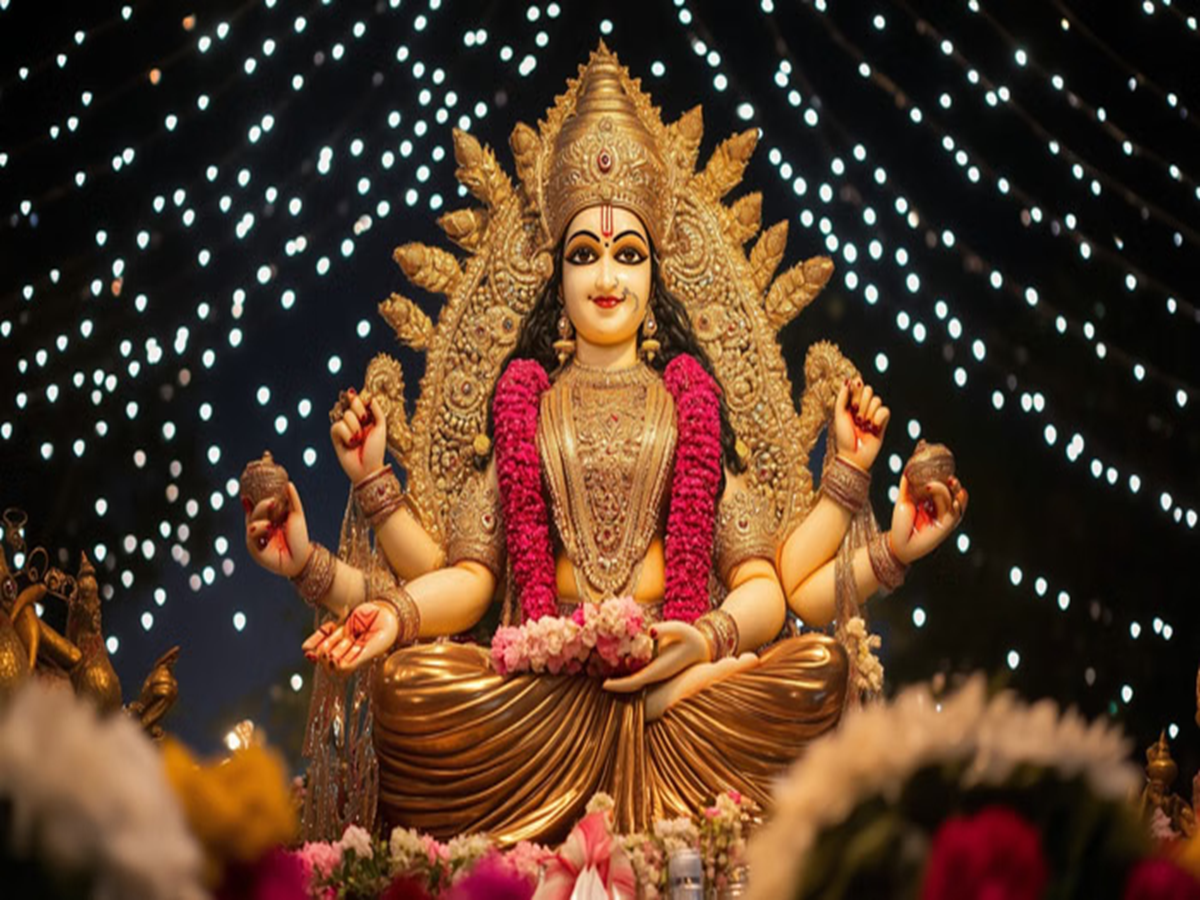
To understand this, one must look at both the start time of the *Tithi* (lunar day) and the auspicious time designated for worship in the *Panchang* (Hindu almanac). According to the *Panchang*, *Ashwin Shukla Pratipada* will commence at 9:19 PM on October 10, 2026, and continue until 9:30 PM on October 11. Consequently, the *Ghatasthapana* for Sharadiya Navratri will be performed on Sunday, October 11.
What does it mean for the *Pratipada* to begin at night?
Unlike the English calendar, dates in the Hindu *Panchang* do not change at midnight. A *Tithi* is determined by the angular distance between the Sun and the Moon; a new *Tithi* begins when this distance increases by 12 degrees. Therefore, the change of *Tithi* can occur at any time—morning, day, or night.
For this reason, a single Hindu *Tithi* can span across two different dates on the English calendar. Determining the date of a fast or festival solely based on the start time of the *Tithi* is not sufficient; one must also consider which *Tithi* is valid for the specific religious ritual being performed.
Why will *Ghatasthapana* take place on October 11?
The *Pratipada Tithi* will be prevailing at sunrise on October 11. This is known as *Udaya Tithi* (the *Tithi* present at sunrise). Based on this, the first fast of Navratri will be observed, and Goddess Shailaputri will be worshipped. However, the rule of *Udaya Tithi* does not necessarily apply to every festival or religious ritual; on certain occasions, priority is given to the *Tithi* prevailing during a specific auspicious period. For *Ghatsthapana*, the specific timing is just as important as the *Pratipada* (the first day of the lunar fortnight). Installing the *Kalash* at night is not considered appropriate. Therefore, instead of performing *Ghatsthapana* on the night of October 10th—the moment *Pratipada* begins—the *Kalash* will be installed on October 11th during the designated auspicious time (*Muhurat*).
**Ghatsthapana Muhurat**
The auspicious time for *Ghatsthapana* on October 11th is from 6:19 AM to 10:12 AM. Additionally, the *Abhijit Muhurat* will last from 11:44 AM to 12:31 PM. Timings may vary in other cities based on local sunrise times, as the auspicious window can differ depending on the location.
*Chitra Nakshatra* and *Vaidhriti Yoga* will also prevail on this day. While these conditions are generally not considered ideal for *Ghatsthapana*, the *Panchang* (almanac) specifies an auspicious time for the ritual amidst these very conditions. Consequently, the start of Navratri will not be postponed by a day due to these factors.

General worship of the Goddess, *Aarti*, or chanting of the divine name can be performed on the night of October 10th. Preparations for the worship and the arrangement of necessary materials can also be completed in advance. However, the formal commencement of Navratri—marked by *Ghatsthapana* and the first fast—will take place on October 11th.
PC Social Media