Food & recipe
Should you make rotis immediately after kneading the dough? Learn the right method to ensure your chapatis are easy to digest..
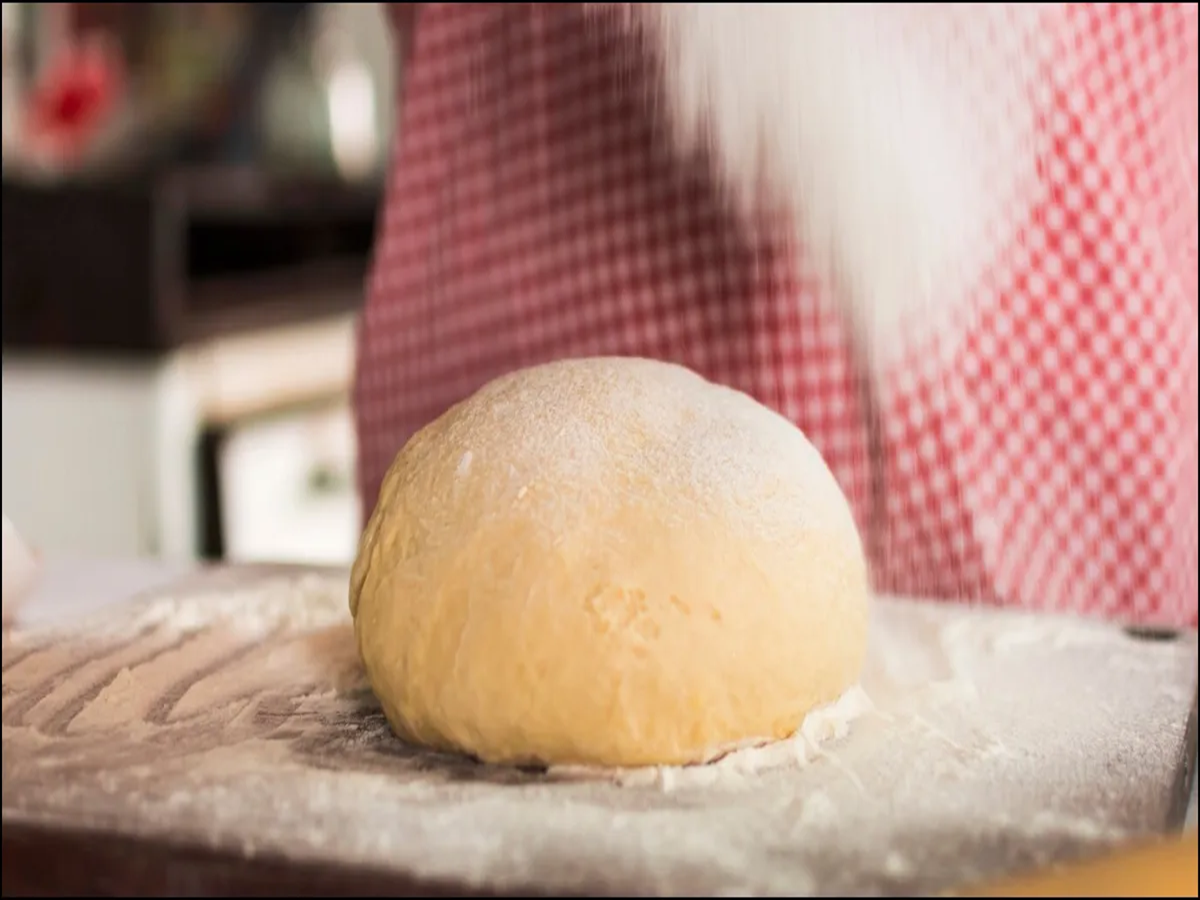
Making rotis is a daily chore in most households, yet there is often a debate about whether to make them immediately after kneading the dough or to let the dough rest, covered, for a while.
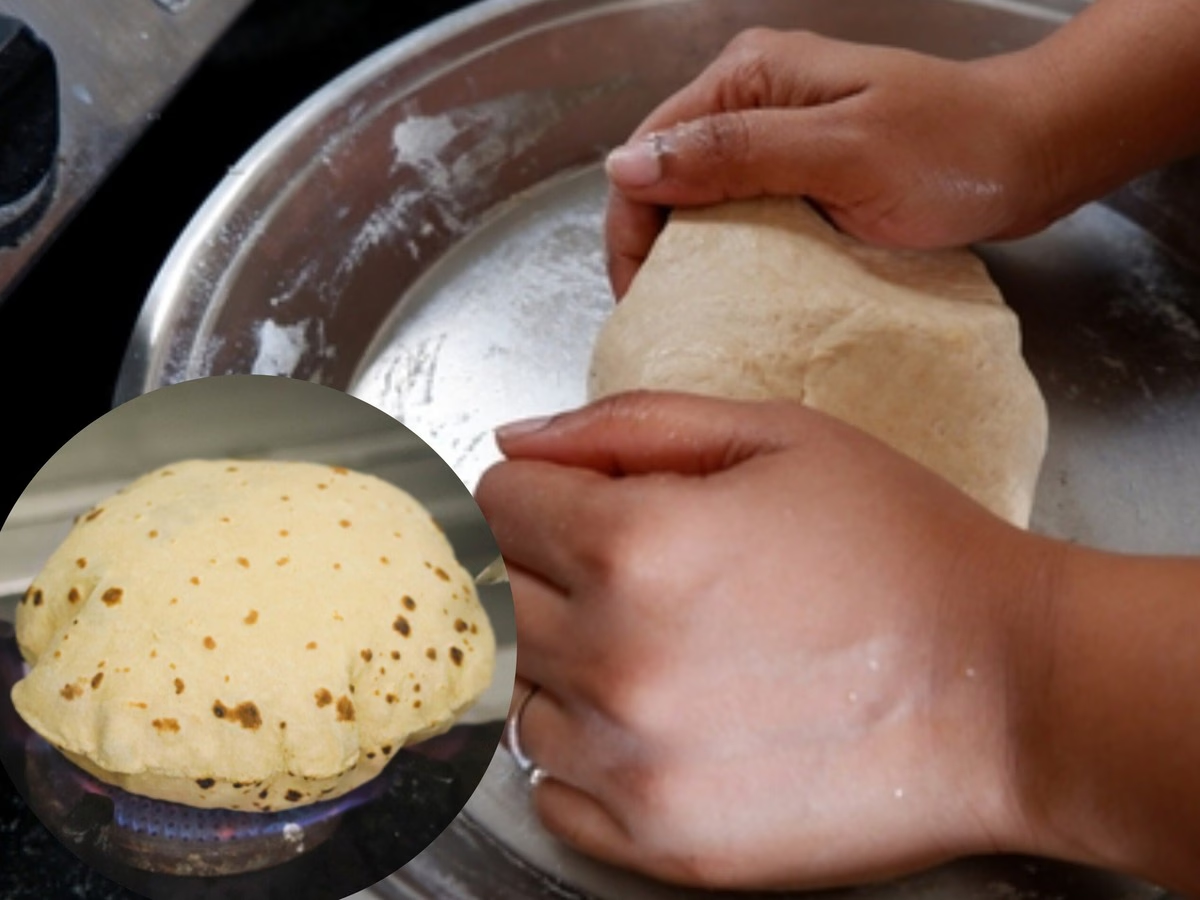
We often knead the dough in a rush and start cooking the rotis right away, but have you ever considered how significantly this small habit affects the taste? Let’s understand the science behind this in simple terms.
**What are the downsides of making rotis immediately?**
When you shape and roll out the dough right after kneading, it feels somewhat stiff. The edges of the rotis often crack, and they do not puff up properly on the griddle.
This happens because the dry particles of the flour do not get enough time to fully absorb the water. Rotis made immediately tend to become hard and dry very quickly once they cool down. Additionally, because the dough hasn't fully hydrated, they can be somewhat difficult to digest.
**Benefits of letting the dough rest for 15–20 minutes**
When you cover the kneaded dough with a vessel or a slightly damp cotton cloth and let it rest for 15 to 20 minutes, several remarkable changes occur within the dough:
* **Elasticity:** Giving the dough some time allows the proteins within it to set properly. This imparts a natural stretchiness to the dough, making it as soft as butter.
* **Soft and Puffed Rotis:** Dough that has been allowed to rest is much easier to roll out. Such rotis puff up like balloons the moment they hit the griddle and remain cotton-soft even after being kept in a tiffin box for hours.
* **Excellent for Digestion:** From a health perspective, letting the dough rest is highly beneficial. Resting it with water activates certain enzymes in the flour, which helps reduce its heaviness. Such rotis are easily digested and do not cause issues like gas or bloating.
So, what is the right method?
Add water gradually while kneading the dough. The dough should be neither too stiff nor sticky. After kneading, lightly coat it with a little water or oil, cover it, and let it rest for 15–20 minutes. Just before making the rotis, knead the dough gently once more for about 15 seconds.
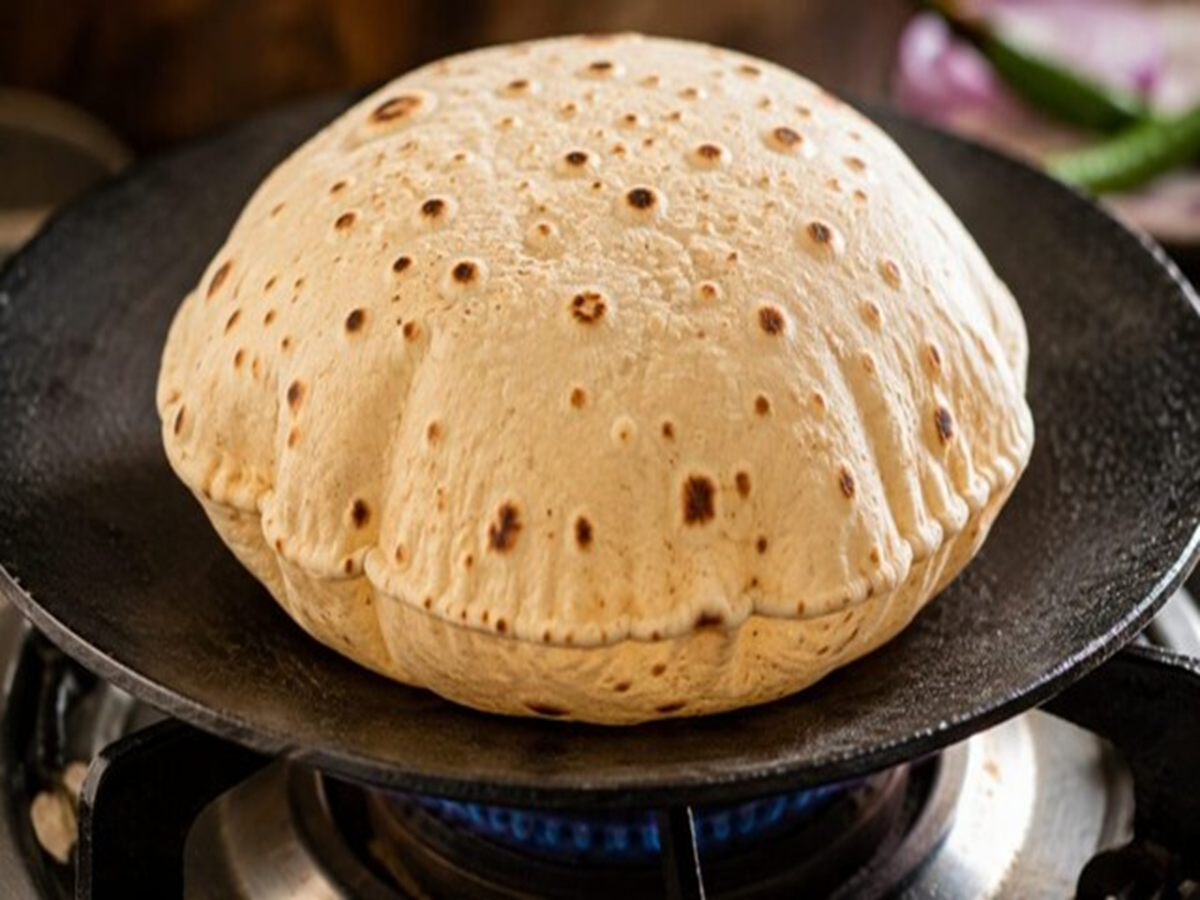
Therefore, the next time you are in the kitchen, make sure to let the kneaded dough rest for a while. This simple step will not only enhance the taste and appearance of your rotis but also support your family's digestive health.
PC Social Media