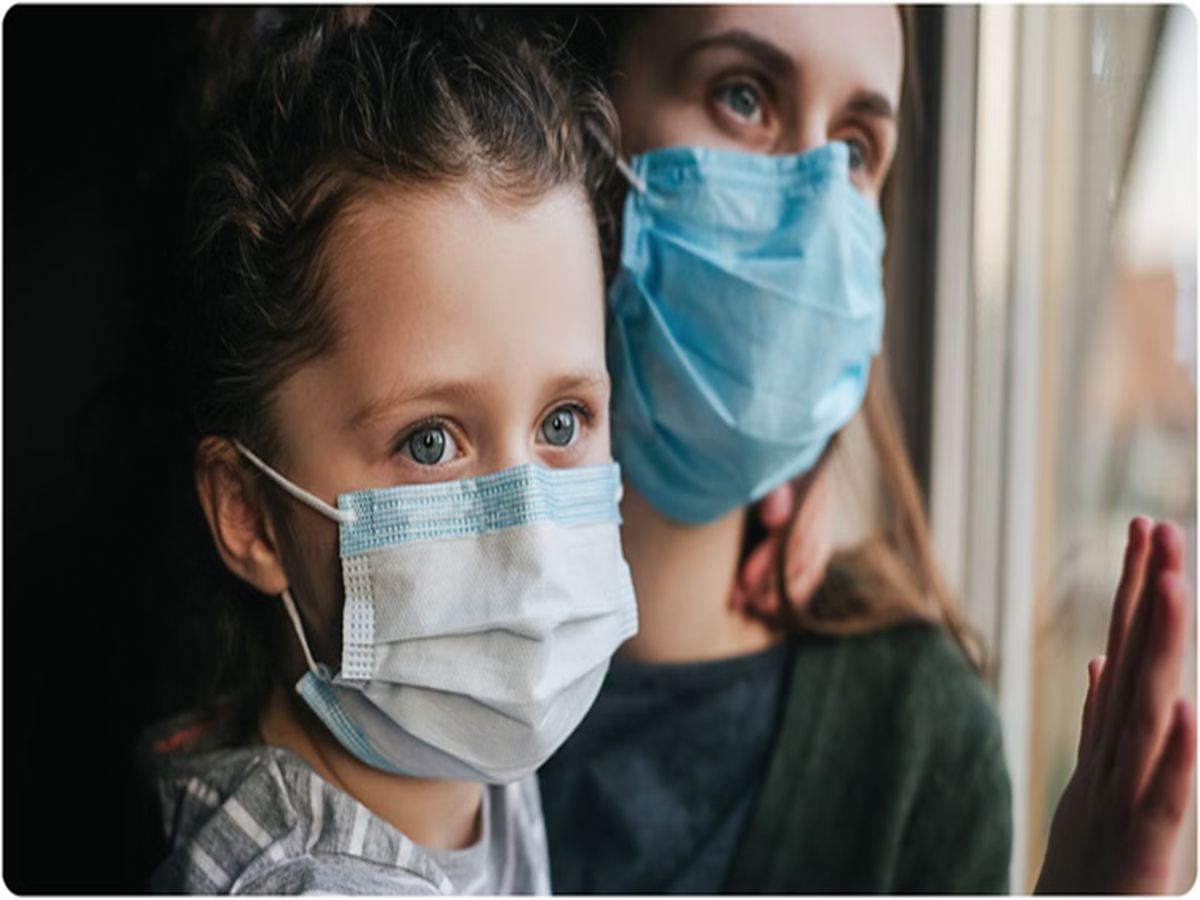
H1N1, or swine flu, is currently causing increasing health concerns across several states in the country. A large number of people are visiting hospitals with symptoms such as colds, coughs, high fever, and respiratory issues. Health experts note that while most infections present with mild symptoms, the virus can lead to severe illness in vulnerable groups—such as children, the elderly, and individuals with pre-existing chronic conditions. Fatalities linked to swine flu have also been reported from various locations.
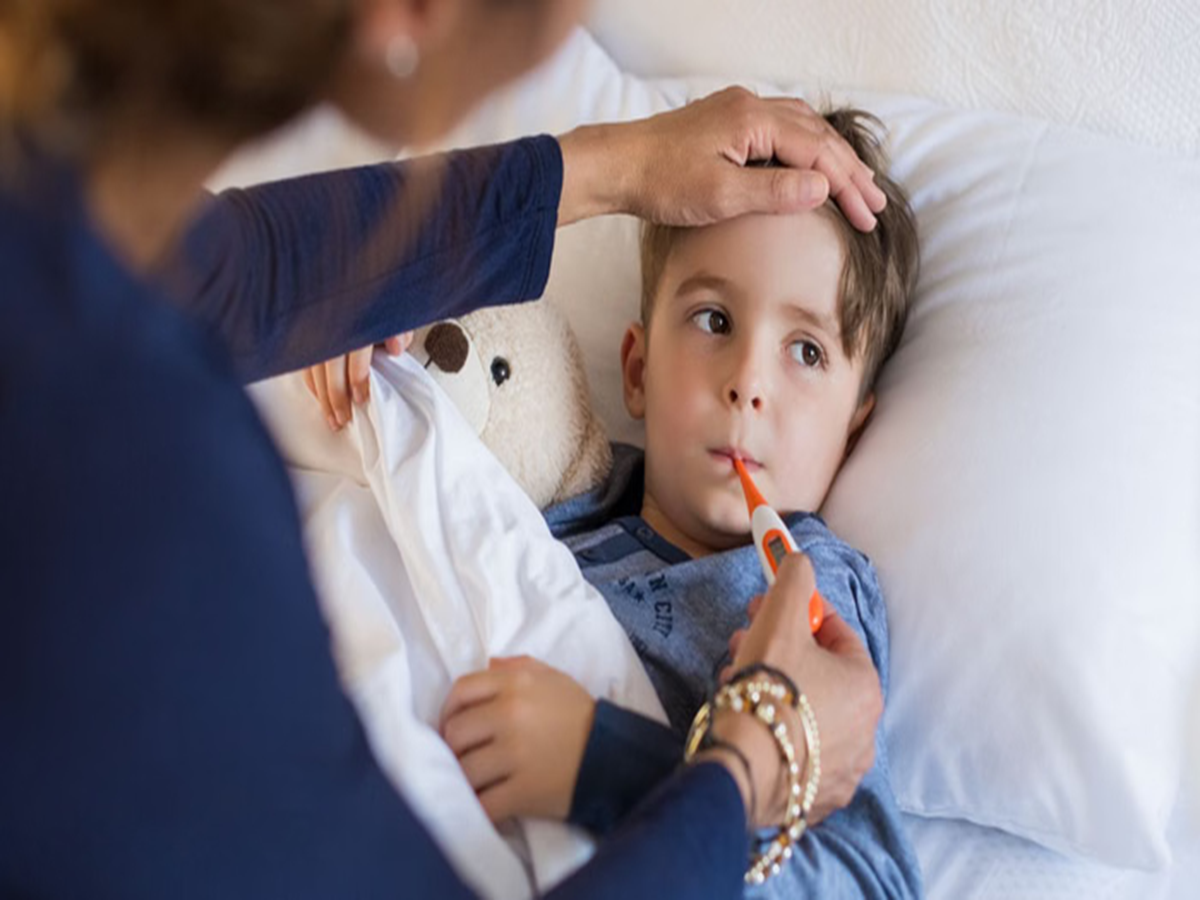
According to recent reports, a 64-year-old man in Himachal Pradesh died after testing positive for H1N1. The infection reportedly caused lung complications and pneumonia, leading to a critical deterioration in his condition. Before this, deaths involving a 62-year-old woman in Ujjain, Madhya Pradesh (on August 19), and a 54-year-old woman in Kerala (on July 27) had also been reported.
Health experts advise taking precautions to protect pregnant women, individuals with pre-existing health conditions, and children from the risk of swine flu. If there is a young child in your home, ensure adequate measures are taken to shield them from infection.
**Risk of Swine Flu in Children**
Health experts emphasize the need for caution regarding the risk of swine flu among children. In crowded environments like schools, children remain in close contact with one another for extended periods. Activities involving school buses, playgrounds, and classrooms can increase the risk of transmission.
H1N1 spreads primarily through respiratory droplets released when an infected person coughs, sneezes, or speaks; consequently, an infection contracted by a child can easily spread to other family members.
Another crucial factor regarding children is that they may not always be able to clearly articulate their discomfort. Therefore, parents must remain vigilant about changes in their child's health and consistently strive to protect them from the risk of infection.
**Doctors Issue Alert Regarding School-Going Children**
Health experts state that influenza viruses, including H1N1, can easily spread from person to person. Doctors explain that since children spend several hours in close proximity at school, if even one child is infected, the infectious droplets released when they cough or sneeze can spread the infection to others.
Additionally, children frequently touch their eyes, noses, and mouths, which can further increase the risk of infection.
Children are often not very vigilant about infection prevention measures; consequently, a single infected child in the classroom can potentially spread the infection to many others.
Doctors note that this does not mean children should stop attending school. However, during this time, they should be taught habits that help prevent infection, such as keeping their hands clean and covering their mouths when coughing or sneezing.
What symptoms could be warning signs?
Health experts state that while fever and cough are common with the flu virus, certain signs indicate that a child may require immediate medical attention.
Rapid breathing, difficulty breathing, low fluid intake, or significantly reduced urination should be considered serious warning signs.
In cases of severe infection, the body may become depleted of nutrients, causing the child to feel unusually lethargic.
Health experts advise taking the child to a doctor without delay if they have a high fever accompanied by breathing difficulties or if anything about their health seems unusual. Do not administer any medication or home remedies to the child on your own.
What precautions should parents take?
Health experts emphasize that parents need to remain vigilant to protect their children from the flu during this time.
If a child has a fever, cough, or other flu-like symptoms, it is not advisable to send them to school. Allow the child to get plenty of rest; this helps prevent the infection from spreading to other children.
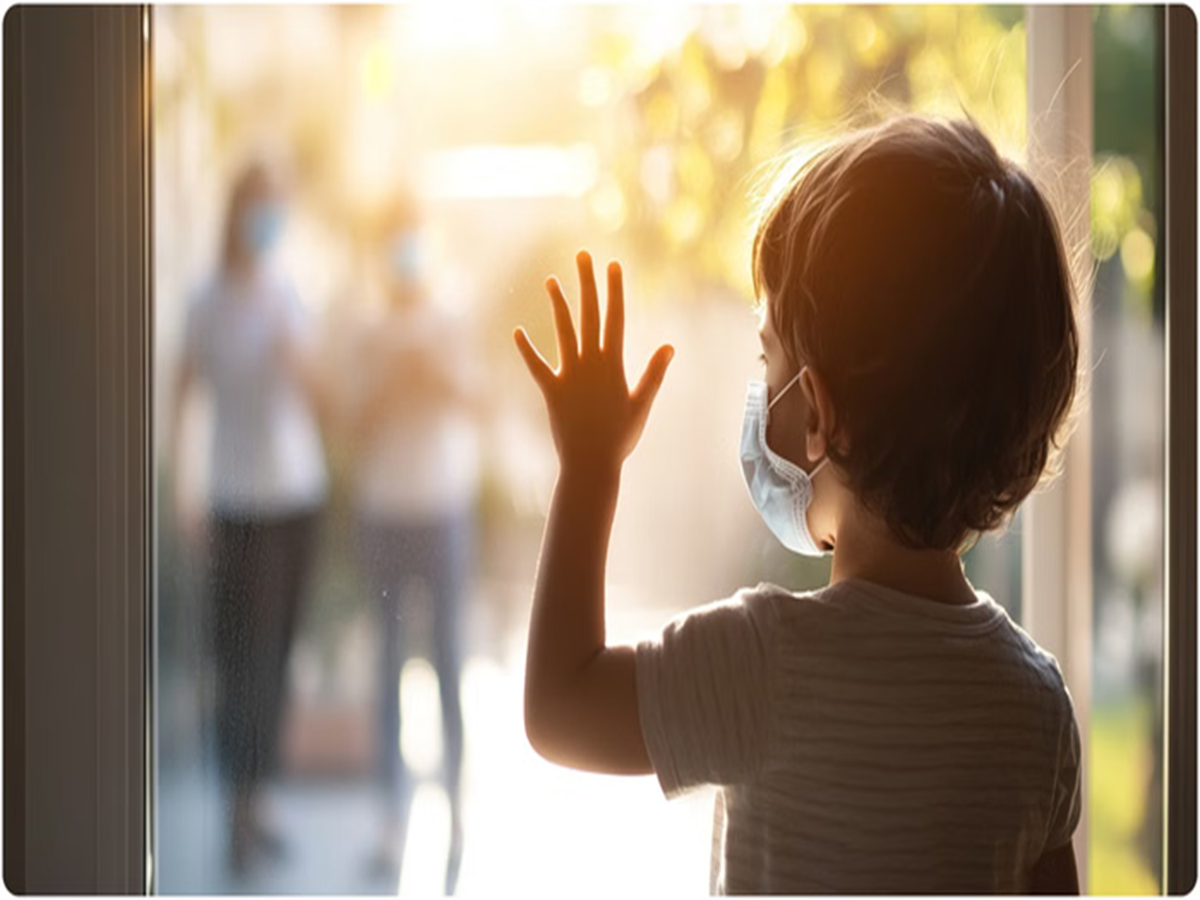
At home, ensure the child consumes adequate fluids, gets plenty of rest, and takes medication as prescribed by the doctor.
Do not start antibiotics on your own, as the flu is caused by a virus, and antibiotics are ineffective against viruses. Encourage your child to make a habit of washing their hands regularly with soap and water. Teach them to avoid touching their eyes, nose, and mouth with unwashed hands. Instruct them to cover their mouth and nose with a tissue or their elbow when coughing or sneezing.
The World Health Organization (WHO) recommends an annual flu vaccine for everyone to protect against seasonal flu and its serious complications. Have your child vaccinated against the flu upon a doctor's advice; this can help protect them from severe illness.