LIFESTYLE
Tips to Prevent Heat Stroke: Heat Stroke Can Be Fatal—Recognize the Symptoms and Adopt These Preventive Measures..
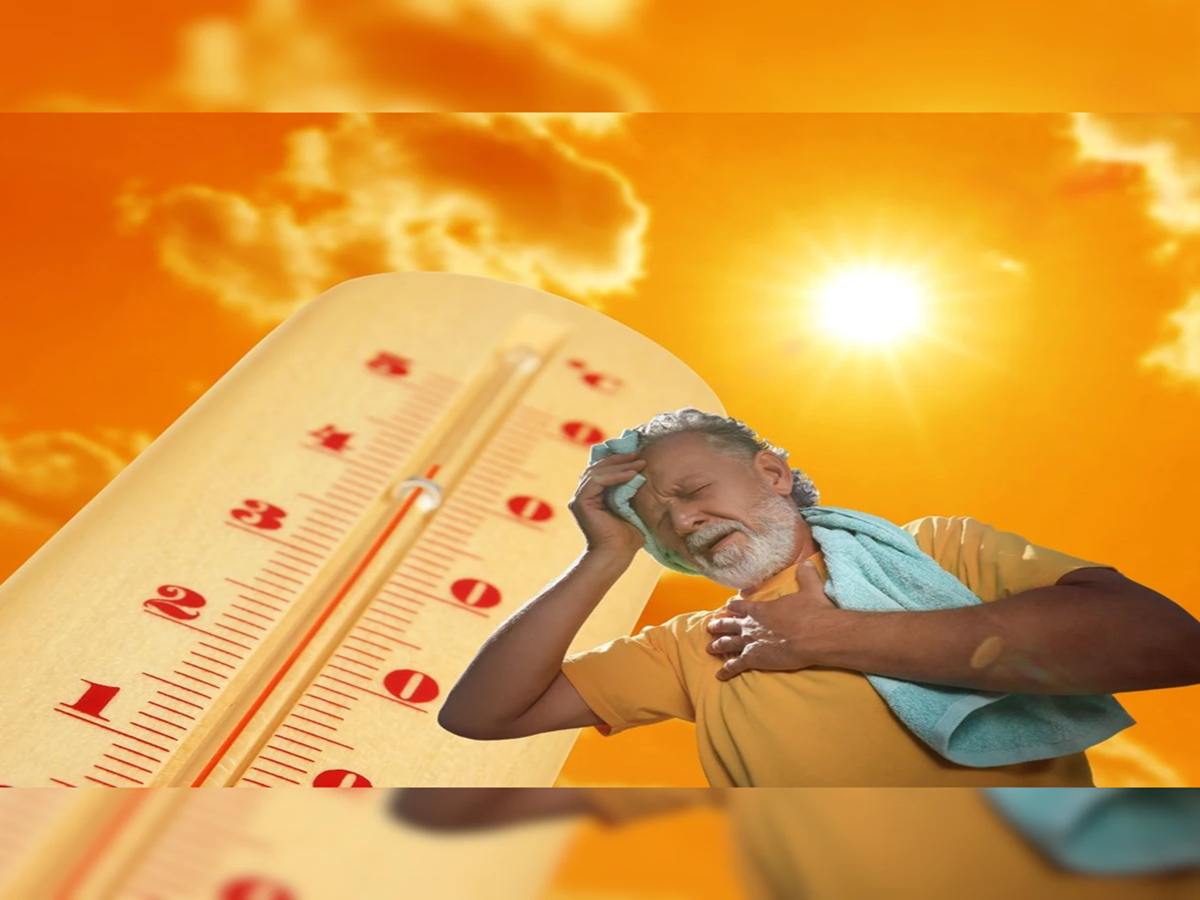
Tips to Prevent Heat Stroke: Temperatures across the country are rising steadily. The likelihood of heatwaves has also intensified. In such a situation, the risk of heat stroke increases significantly. Individuals whose work involves being outdoors and constantly on the move throughout the day must exercise special caution, as the risk of dehydration and heat exhaustion is extremely high. If left untreated promptly, heat stroke can prove to be severe—and at times, even fatal; therefore, taking preventive measures in advance is essential. Learn here what heat stroke is, its symptoms, and methods for prevention.
What is Heat Stroke?
Heat stroke occurs when the body's internal temperature rises suddenly and drastically. The body loses its ability to regulate its own temperature and keep itself cool. If not treated promptly, this condition can prove to be dangerous.
Appeal from the Health Department
The National Health Mission (NHM) has urged the public to exercise special caution during the summer season. It is particularly crucial to look after children, the elderly, and individuals with pre-existing medical conditions, as these groups are more susceptible to heat stroke.
Simple Measures to Prevent Heat Stroke
Avoid going outdoors or engaging in strenuous physical activity during the hottest part of the day (between 12:00 PM and 4:00 PM).
Drink an adequate amount of water throughout the day, even if you do not feel thirsty.
Refrain from consuming excessive amounts of caffeinated and sugary beverages—such as tea, coffee, and cold drinks—as these can lead to dehydration.
Wear loose-fitting, light-colored cotton clothing to help keep the body cool.
If working outdoors, take a break in the shade every 15 to 20 minutes.
Consume light, easily digestible meals, and increase your intake of water and cooling beverages. Symptoms and First Aid for Heatstroke
If a person exhibits symptoms of heatstroke—such as dizziness, vomiting, high fever, loss of consciousness, or an excessively high body temperature—take immediate action:
Immediately move the person to a cool and well-ventilated area.
Apply cool compresses to help lower the body temperature, focusing particularly on the neck, wrists, and soles of the feet.

Administer cool water gradually.
Once their condition improves, offer them light, water-rich fruits or juices.
A little vigilance and timely intervention can prove extremely effective in preventing heatstroke. During this summer season, it is essential to take special care of yourself and those around you.
PC Social Media