LIFESTYLE
Tourist Places with No Entry: Entry for general tourists is banned at these 6 places in India—find out why..
Restricted Tourist Places in India: India is renowned for its natural beauty, historical heritage, and mysterious locations. While millions of tourists travel across the country annually, there are certain places where public access is either completely prohibited or restricted without special permission. These restrictions are imposed for various reasons, including national security, religious beliefs, environmental conservation, and the protection of local communities. Let us explore six such places in India:
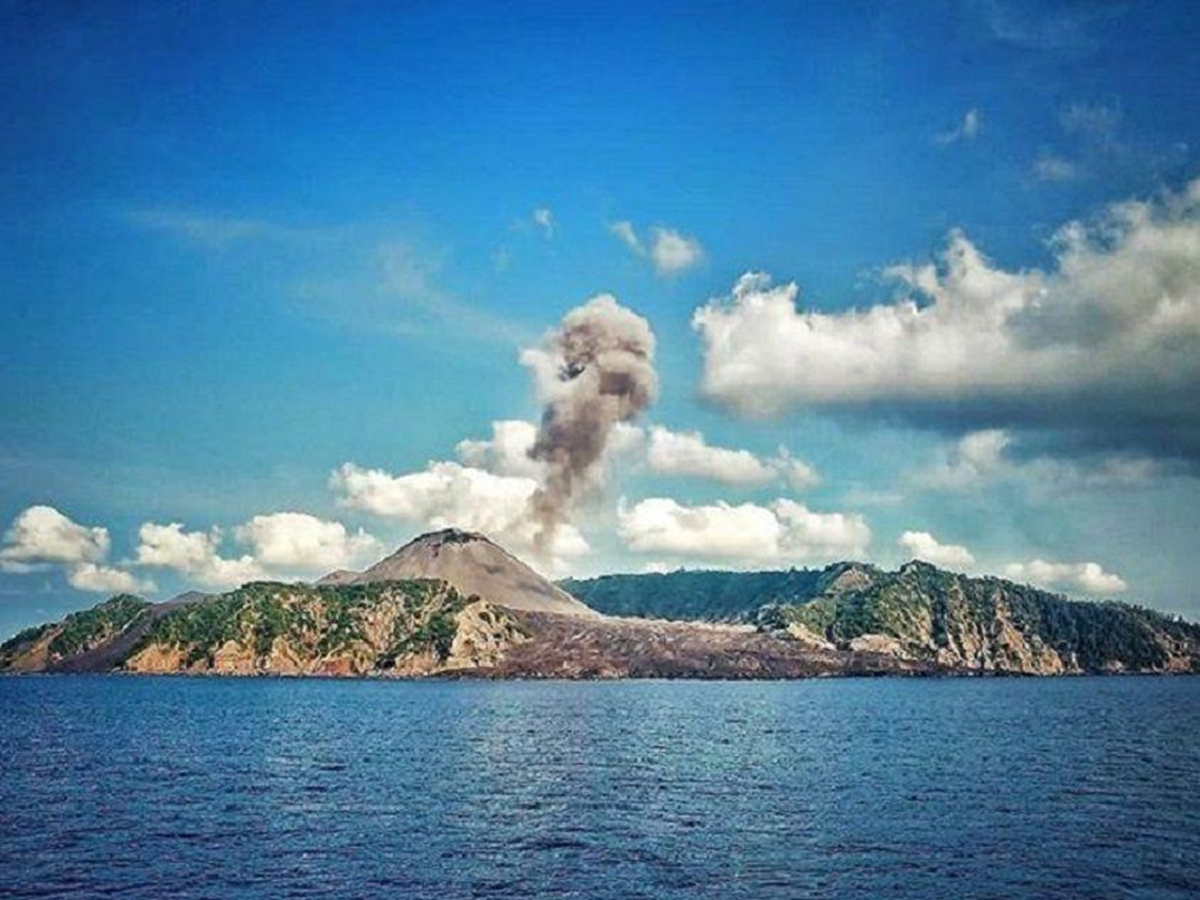
1. Barren Island, Andaman
Located in the Andaman and Nicobar Islands, Barren Island is home to India's only active volcano. For safety reasons, the general public is not permitted to land on the island; tourists can usually only view it from a distance while remaining at sea.
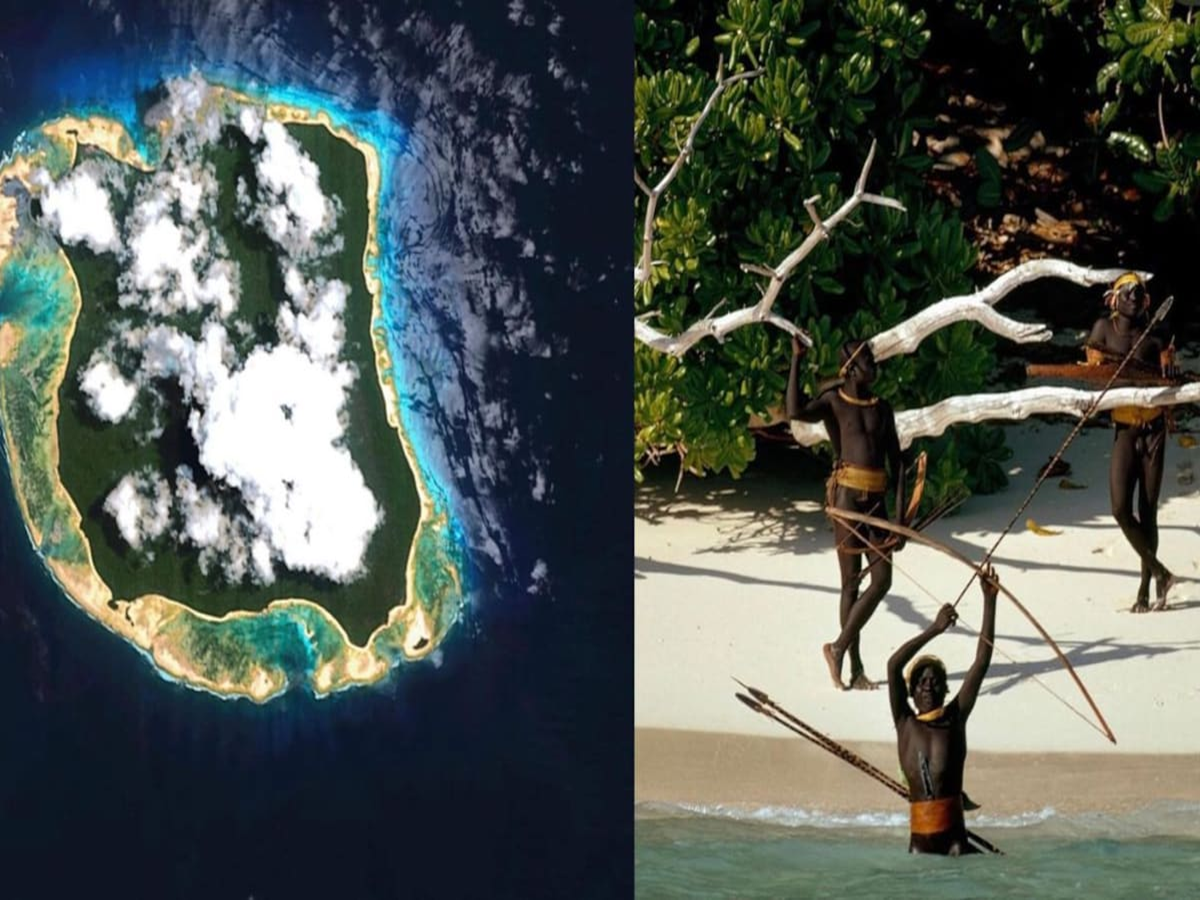
2. North Sentinel Island, Andaman
North Sentinel Island is one of the most restricted places in India. The Sentinelese tribe inhabiting the island lives in near-total isolation from the outside world. To protect their safety and culture, public access to the island is strictly prohibited and closely monitored.
3. Bhabha Atomic Research Centre (BARC), Mumbai
The Bhabha Atomic Research Centre (BARC) in Mumbai is a vital hub for the country's nuclear research. As it is a high-security zone, the general public is not allowed to enter; access is granted only to authorized personnel under specific protocols.
4. Areas Surrounding Nuclear Power Plants
Many of India's nuclear power plants are considered highly sensitive from a national security perspective. Public entry into these complexes is strictly forbidden, and access without security clearance and special permission is impossible.
5. Certain Archaeological and Heritage Sites
Many of India's beautiful heritage sites and monuments are located in sensitive zones. Due to security protocols, tourists may be restricted from accessing certain structures. In many instances, even Indian citizens require special permission to visit, while regulations for foreign nationals can be even stricter.
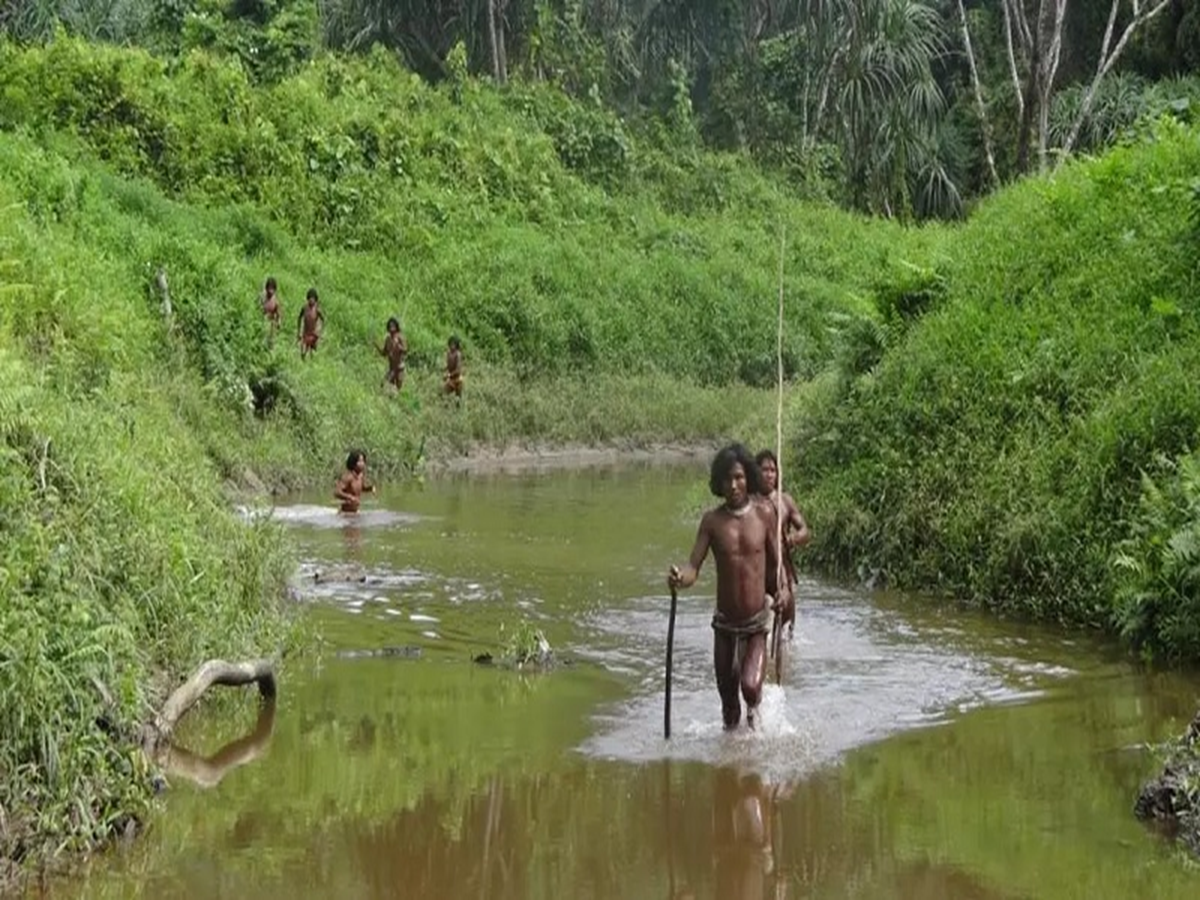
6. Protected Tribal Areas of Nicobar
Certain areas of the Nicobar Islands have been declared protected zones for local tribal groups. Entry into these areas by outsiders is restricted to prevent any negative impact of external contact on the local people's culture, lifestyle, and health.
PC Social Media