LIFESTYLE
Travel: Which Indian state is known as the Valley of Lakes? Learn about the top places to visit here..
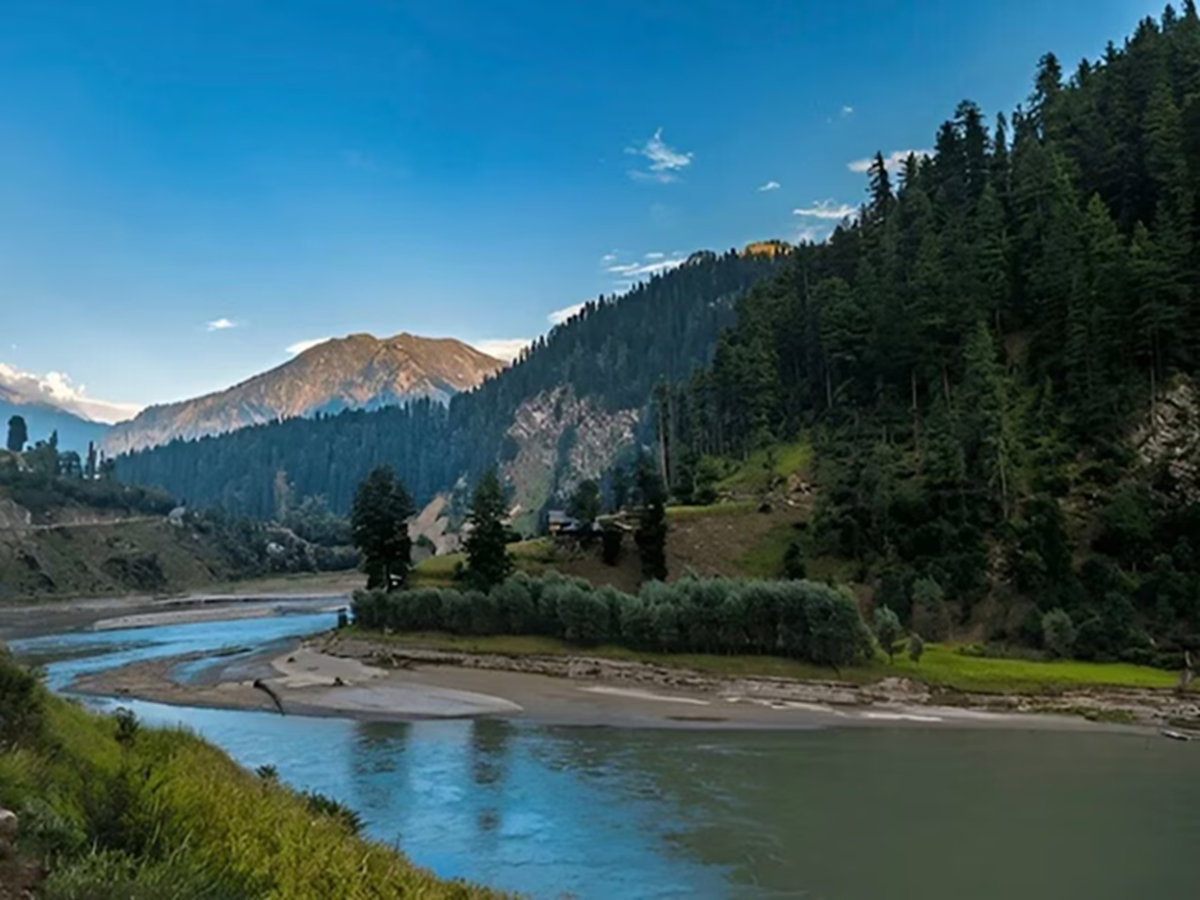
Which Valley is known as the Valley of Lakes? In this article, learn why the Kashmir Valley earned this title, its freshwater lakes, its geographical location, ecological features, and interesting facts.
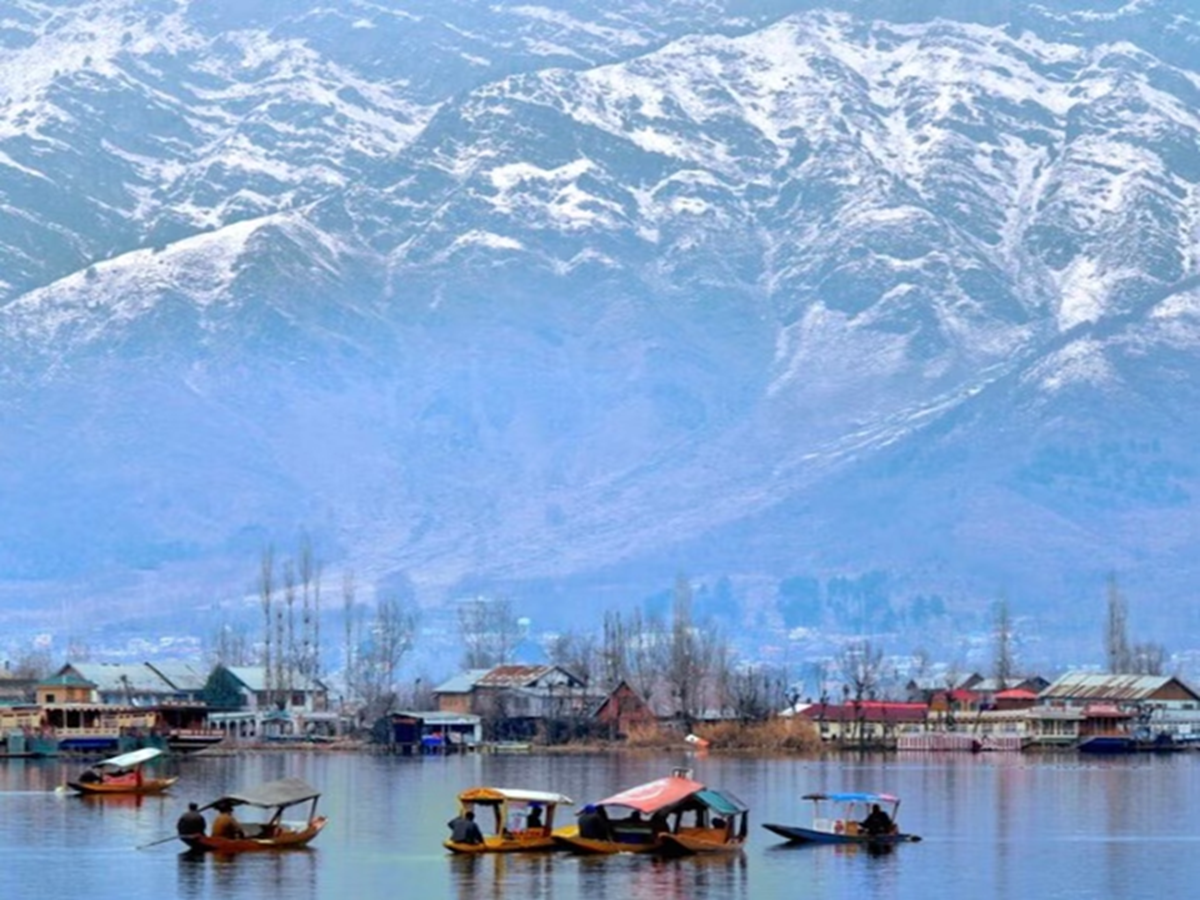
Step into the Kashmir Valley on a clear morning, and it's easy to understand why it's called the Valley of Lakes. Water is everywhere, not just rivers flowing from the mountains, but also countless lakes, each with its own unique beauty. From spectacular and famous lakes to hidden and secluded ones, some can be viewed from a shikara, while others require a three-day trek through high grasslands to reach.
Located in the northern Himalayas, the Kashmir Valley is known as the Valley of Lakes. This name reflects the numerous freshwater lakes scattered throughout the valley, formed by glacial activity, natural springs, and the mountain's hydrology.
The unique geographical location of the Kashmir Valley accounts for its abundance of lakes. The Kashmir Valley is a vast mountain basin, surrounded by the mighty Himalayan mountain ranges. This natural slope allows melting snow, glacier runoff, and rainwater to accumulate rather than flow rapidly, sustaining a rich network of freshwater ecosystems at varying elevations.
Some lakes, located at an altitude of approximately 1,500 meters above sea level, lie on the valley floor, surrounded by shrubbery and houseboats. Other lakes, at altitudes exceeding 12,000 feet, nestle in glacial valleys among snow-capped peaks, accessible only to mountaineers brave enough to cross mountain passes. Consequently, Kashmir's landscape is heavily influenced by water. Traditional villages, floating gardens, Shikara rides, and the livelihoods of thousands of Kashmiri families revolve around these lakes. Here are some of Kashmir's must-visit lakes.
Dal Lake (Srinagar): Known as the pride of Kashmir, Dal Lake is the heart of Srinagar. It's not just a large body of water, but a floating river system. Staying in a Shikara or luxurious houseboat, the early morning floating vegetable market, and the lotus gardens offer breathtaking views.
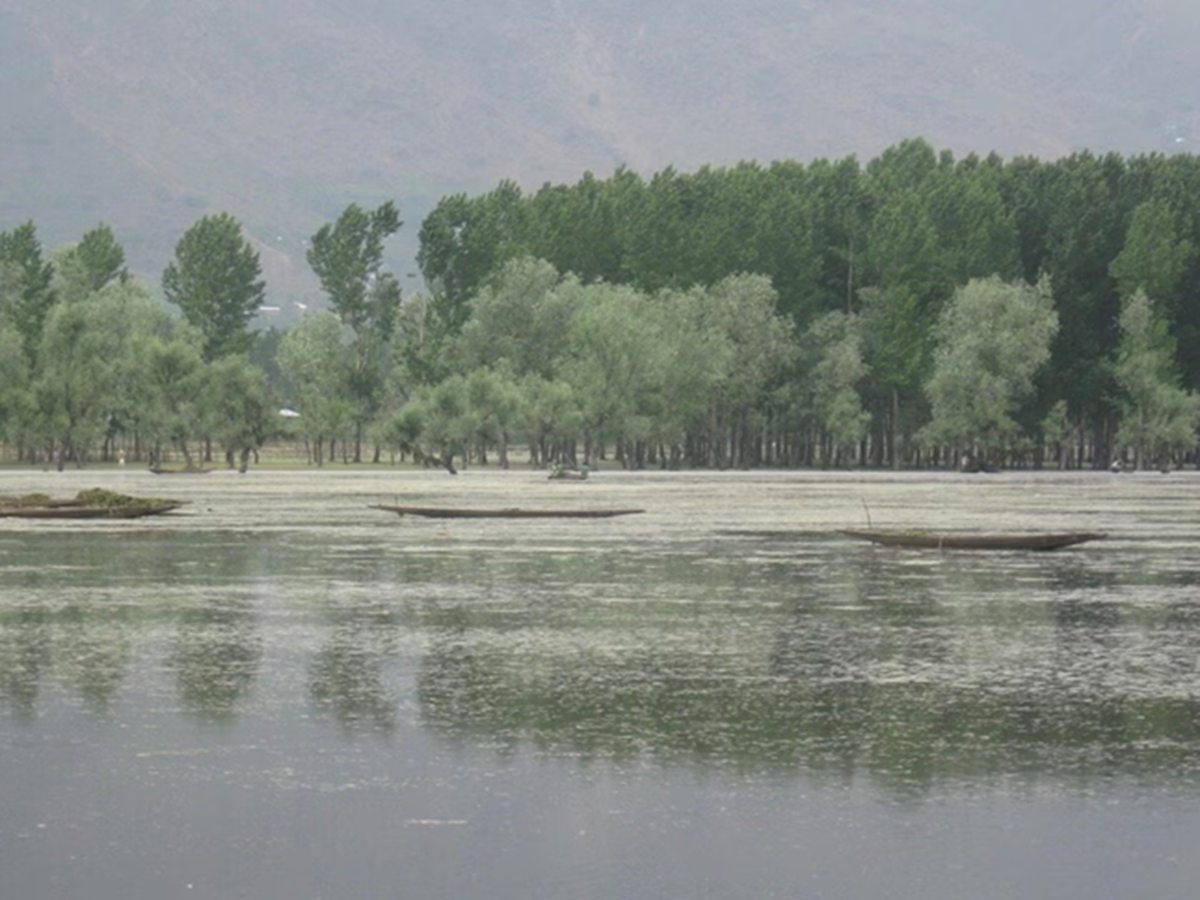
Nigeen Lake (Srinagar): Considered the "quieter sister" of Dal Lake, Nigeen Lake is the perfect destination for those seeking a relaxing experience. It's surrounded by magnificent Chinar hills and offers clear views of the Hari Parbat Fort. It's cleaner and less crowded than Dal Lake.
Wular Lake (Bandipora): One of Asia's largest freshwater lakes, Wular Lake serves as a natural floodplain for the Jhelum River. The lake's vast waters can be quite turbulent, creating small waves.
PC Social Media