LIFESTYLE
Vaishakh Amavasya: When is Vaishakh Amavasya—April 16 or 17? Find out why it holds special significance for ancestors..

Vaishakh Amavasya 2026 Date: Vaishakh Amavasya falls on the *Amavasya* (New Moon) Tithi during the *Krishna Paksha* (waning phase of the moon) of the month of Vaishakh. This year, the Vaishakh Amavasya Tithi begins on April 16th and continues until the evening of April 17th. Consequently, there is some confusion among people regarding whether Vaishakh Amavasya falls on April 16th or April 17th. Why is Vaishakh Amavasya considered particularly significant for one's ancestors (*Pitras*)? Let us discover the correct date and auspicious timing (*Muhurat*) for Vaishakh Amavasya.
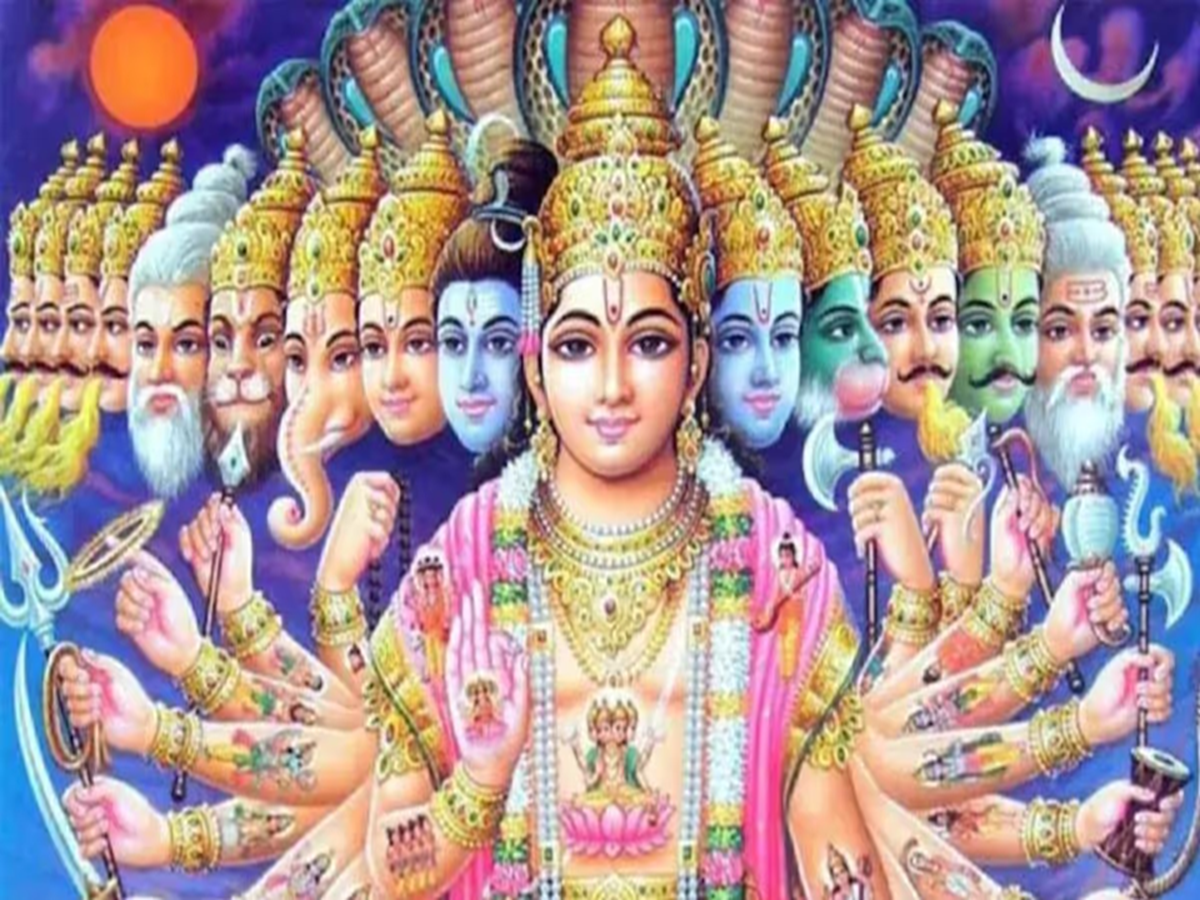
Vaishakh Amavasya 2026: Correct Date and Muhurat
According to the Hindu calendar, the Vaishakh Amavasya Tithi commences at 8:11 PM on April 16th and concludes at 5:21 PM on April 17th. In such instances, the principle of *Udayatithi* (the Tithi prevailing at sunrise) is followed for Vaishakh Amavasya, as the ritual bath and acts of charity associated with this occasion are traditionally performed at sunrise.
Sunrise on April 16th occurs during the *Chaturdashi* Tithi, whereas sunrise on April 17th will occur during the *Amavasya* Tithi. Based on the principle of *Udayatithi*, Vaishakh Amavasya falls on Friday, April 17th. Performing the ritual bath and acts of charity on this day is considered to be in accordance with scriptural traditions. On the day of Vaishakh Amavasya, the *Brahma Muhurat* (auspicious early morning period) extends from 4:25 AM to 5:09 AM.
Religious Significance of Vaishakh Amavasya
The 15th Tithi of the *Krishna Paksha* (waning phase) in the month of Vaishakh is known as Vaishakh Amavasya. On this day, acts of charity (*Daan*) are performed following a ritual bath; this practice is believed to yield spiritual merit (*Punya*) and absolve one of sins. Merely taking a ritual bath during the month of Vaishakh is said to invoke the grace of Lord Vishnu. Furthermore, donating water during this month is believed to bestow *Akshaya Punya*—imperishable spiritual merit.
Why is Vaishakh Amavasya Dedicated to Ancestors?
According to religious beliefs, on the *Amavasya* Tithi of every month, ancestors (*Pitras*) descend from the *Pitru Loka* (the realm of ancestors) to the Earth. They arrive with the expectation that their descendants will appease and satisfy them through offerings of water, food, charitable donations, and similar acts. For this reason, on the day of Amavasya (the New Moon), people perform a ritual bath followed by *Tarpan*—offering water oblations to their ancestors—and *Pind-daan* (offering ritual food balls), so that their ancestors may be appeased and they themselves may be liberated from *Pitru Dosha* (ancestral affliction). On the evening of Amavasya, as the ancestors depart from the Earth to return to their celestial abode, lamps are lit along their path to guide their way.

**The Religious Significance of *Pind-daan* on Vaishakh Amavasya**
On the day of Vaishakh Amavasya, *Pind-daan* is performed to ensure peace for the souls of ancestors and to facilitate their attainment of *Moksha* (salvation). Those who fail to perform *Pind-daan* for their ancestors incur *Pitru Dosha*. Their ancestors become displeased and manifest their displeasure by afflicting their descendants in various ways.
Due to *Pitru Dosha*, individuals may suffer from incurable diseases, professional failures, domestic discord, stress, mental health issues, and other afflictions. Performing *Shraddh* (ancestral rites) brings contentment to the ancestors; conversely, if these rites are neglected, the ancestors are compelled to endure suffering. Consequently, Hindu tradition prescribes the observance of *Shraddh* and *Pind-daan* as essential rituals for the welfare of one's ancestors.