LIFESTYLE
Why is Badrinath Dham called 'Bhuloka Vaikuntha' (Vaikuntha on Earth)? Where does Lord Badri go for 6 months?
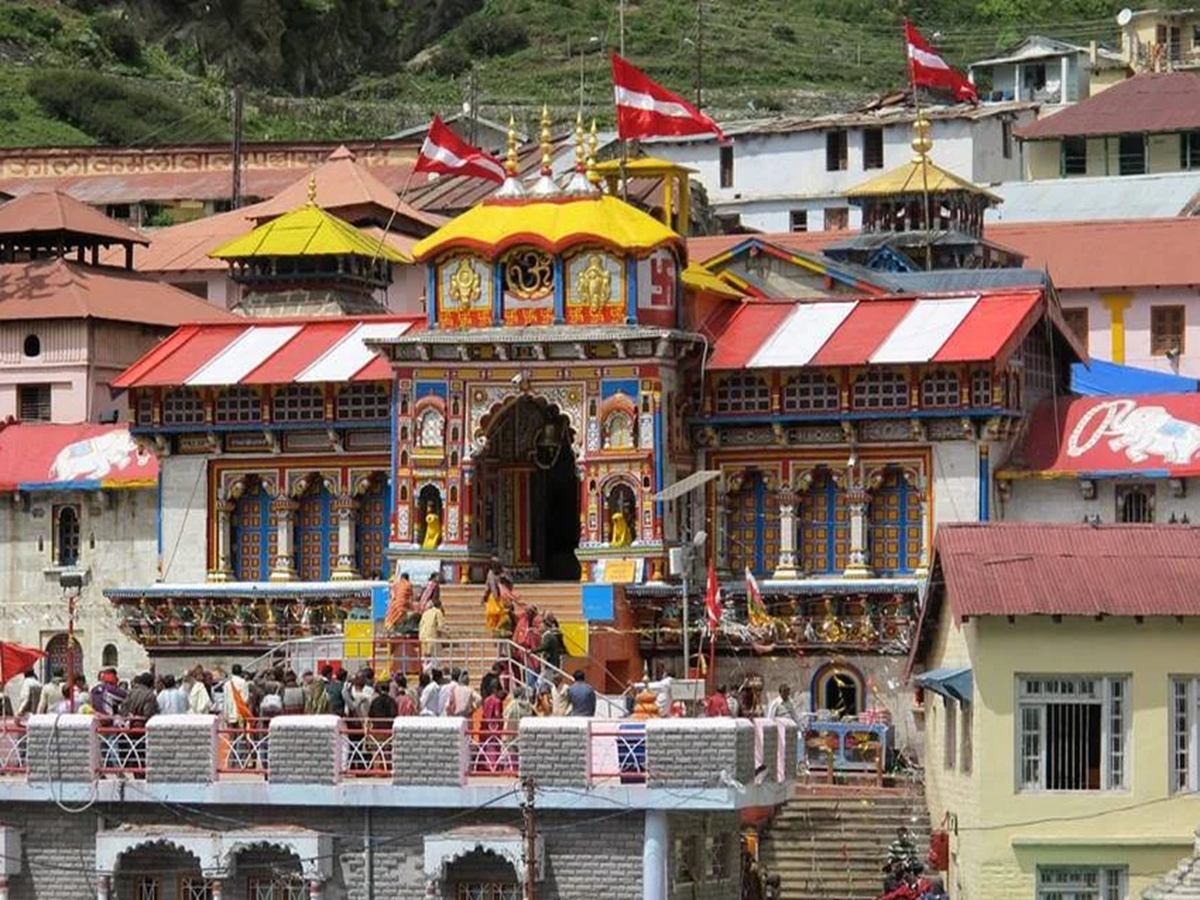
Badrinath Dham, located in the Chamoli district of Uttarakhand, is dedicated to Lord Vishnu. This temple is also referred to as 'Bhu-Vaikuntha' (Vaikuntha on Earth). It is believed that Lord Vishnu resides here in the form of 'Badri Vishal,' and that devotees attain spiritual peace by seeking His 'darshan' (divine glimpse). Nestled amidst the high peaks of the Himalayas, the Alaknanda River, and enchanting natural landscapes, this shrine is one of the key pilgrimage sites of the 'Char Dham Yatra.'
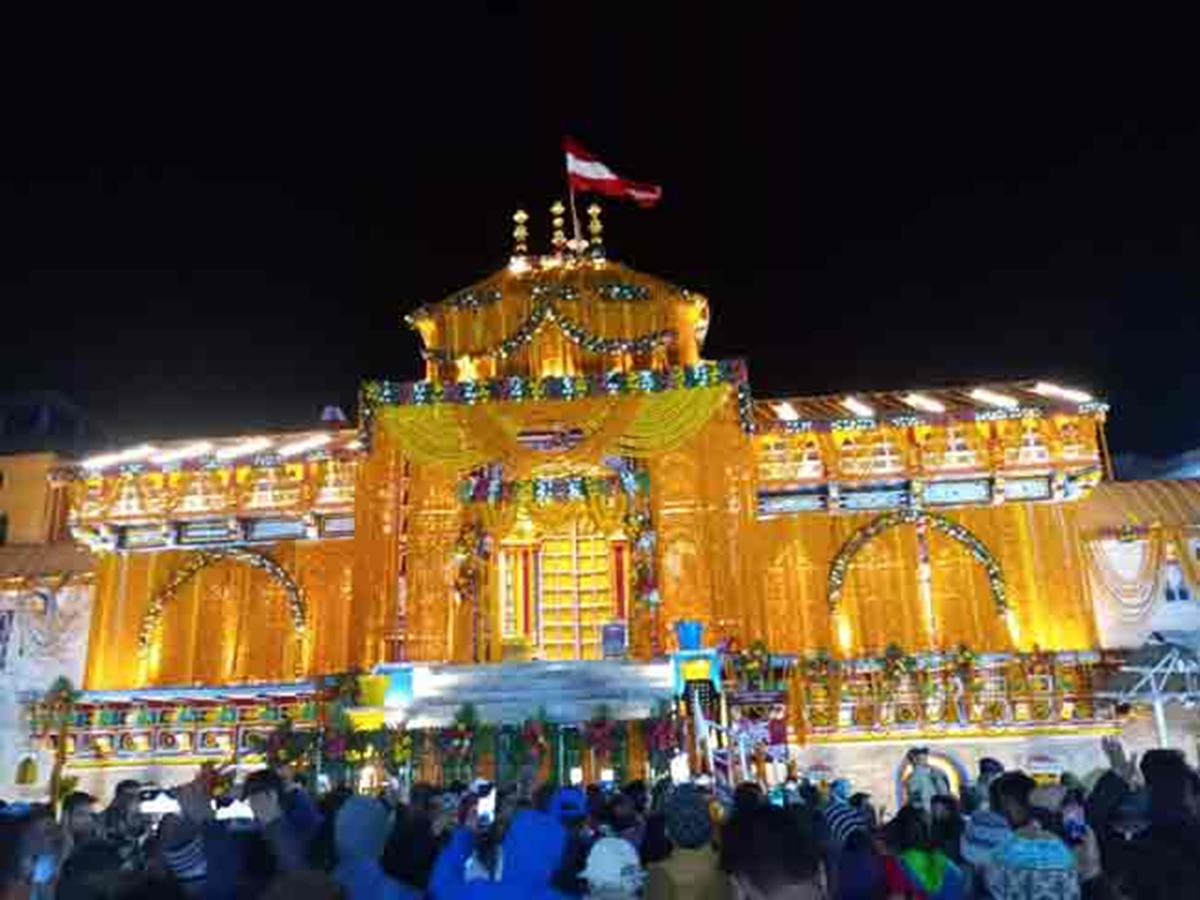
But do you know where Lord Badri Vishal is worshipped during the winter months, when the doors of the Badrinath temple are closed? Why does the temple remain closed for six months, and what traditions are followed regarding the worship of the Lord during this period? Let us explore the religious significance of Badrinath Dham, the mythological beliefs associated with it, and the special traditions observed during the winter.
Why is Badrinath Dham called 'Bhu-Vaikuntha'?
The designation of Badrinath Dham as 'Bhu-Vaikuntha' stems from a religious belief. In Hinduism, 'Vaikuntha' is considered the divine abode of Lord Vishnu. It is believed that Lord Vishnu Himself resides in Badrinath Dham in the form of 'Badri Vishal.' For this reason, this place is known as 'Bhu-Vaikuntha'—Lord Vishnu's abode on Earth.
According to mythology, Lord Vishnu performed penance in the Badrinath region in the form of 'Nara-Narayana.' Furthermore, it is believed that Goddess Lakshmi took the form of a 'Badri' (jujube/berry) tree to shield Him from the harsh weather. This is why the place is known as 'Badrinath.'
Why do the temple doors remain closed for six months?
Badrinath Dham is situated at an altitude of approximately 3,133 meters above sea level. During the winter, the region experiences heavy snowfall, and temperatures drop significantly. Under these conditions, it becomes difficult for pilgrims to travel and reach the temple. Consequently, the doors of the Badrinath temple are closed every year during the winter season. Typically, the doors (kapats) of the temple open in April or May and close in October or November. The dates for opening and closing the doors are determined according to the religious calendar and established traditions. Before the doors are closed, special prayers and rituals are performed at the temple. Following this, specific traditions related to the worship of the deity during the winter season are observed.
Where does Lord Badri reside for these six months?
According to religious tradition, once the doors of the Badrinath Temple are closed for the winter, Lord Badri Vishal is worshipped at the Narasimha Temple located in Joshimath. Joshimath is also known as Jyotirmath. This site is integral to the winter worship traditions of Badrinath Dham. Upon the closing of the temple doors, the *utsava murti* (processional idol) of the deity is traditionally taken to the Yogadhyan Badri Temple in Pandukeshwar. Distinct winter worship rituals are performed both there and in Joshimath. Thus, even while the Badrinath Temple remains closed, the worship of the deity continues.
Who performs the worship at the Badrinath Temple?
The chief priest of the Badrinath Temple is known as the 'Rawal'. Traditionally, the Rawal is drawn from the Nambudiri Brahmin community of Kerala. Rituals and prayers at the temple are conducted in accordance with Vedic rites. According to religious belief, Adi Shankaracharya re-established the idol of Lord Vishnu at Badrinath. During a pilgrimage to Badrinath, devotees can also visit several nearby religious and natural sites—most notably Mana village, Vyas Gufa (Vyas Cave), Bhim Pul (Bhim's Bridge), and the region surrounding the Saraswati River.
PC Social Media