LIFESTYLE
Why is the ceremonial cloth for the marital knot always pink? Why is this ritual considered essential?

The *Gathbandhan* Ritual in Marriage: In Indian wedding traditions, every ritual holds its own unique significance, and one of the most pivotal among them is the *Gathbandhan* (the tying of the knot). This is the moment when the bride and groom are bound together by a single thread—a symbolic act marking the commencement of their married life. Marriage is not merely a ritual; it is a shared pledge of responsibilities. The *Gathbandhan* remains strong only when the threads of respect, trust, and communication are renewed and strengthened every single day. But did you know why the cloth used for the *Gathbandhan* is typically pink, or why this ritual is considered so essential for the bride and groom? Furthermore, who is the person responsible for performing this *Gathbandhan*? Let us find out...
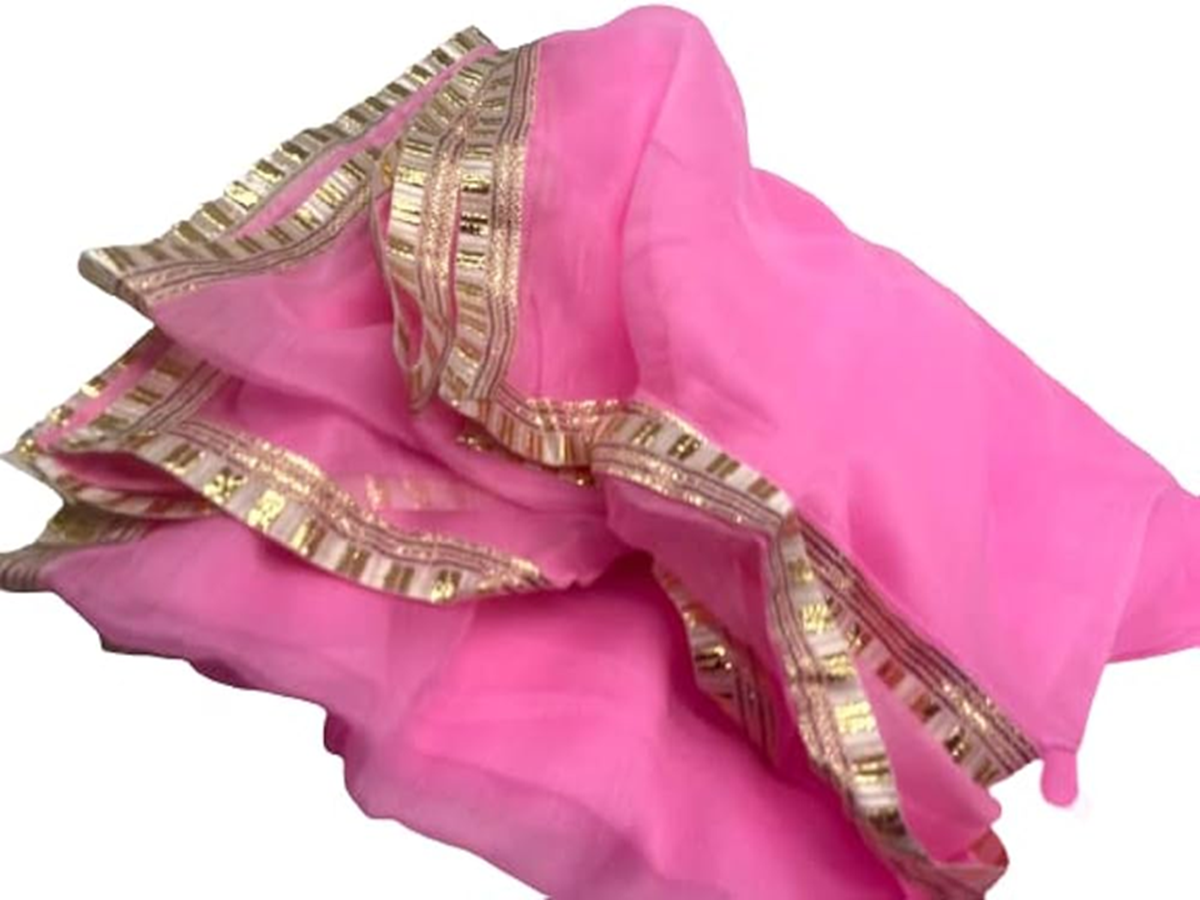
**The Groom's Sister Performs the *Gathbandhan***
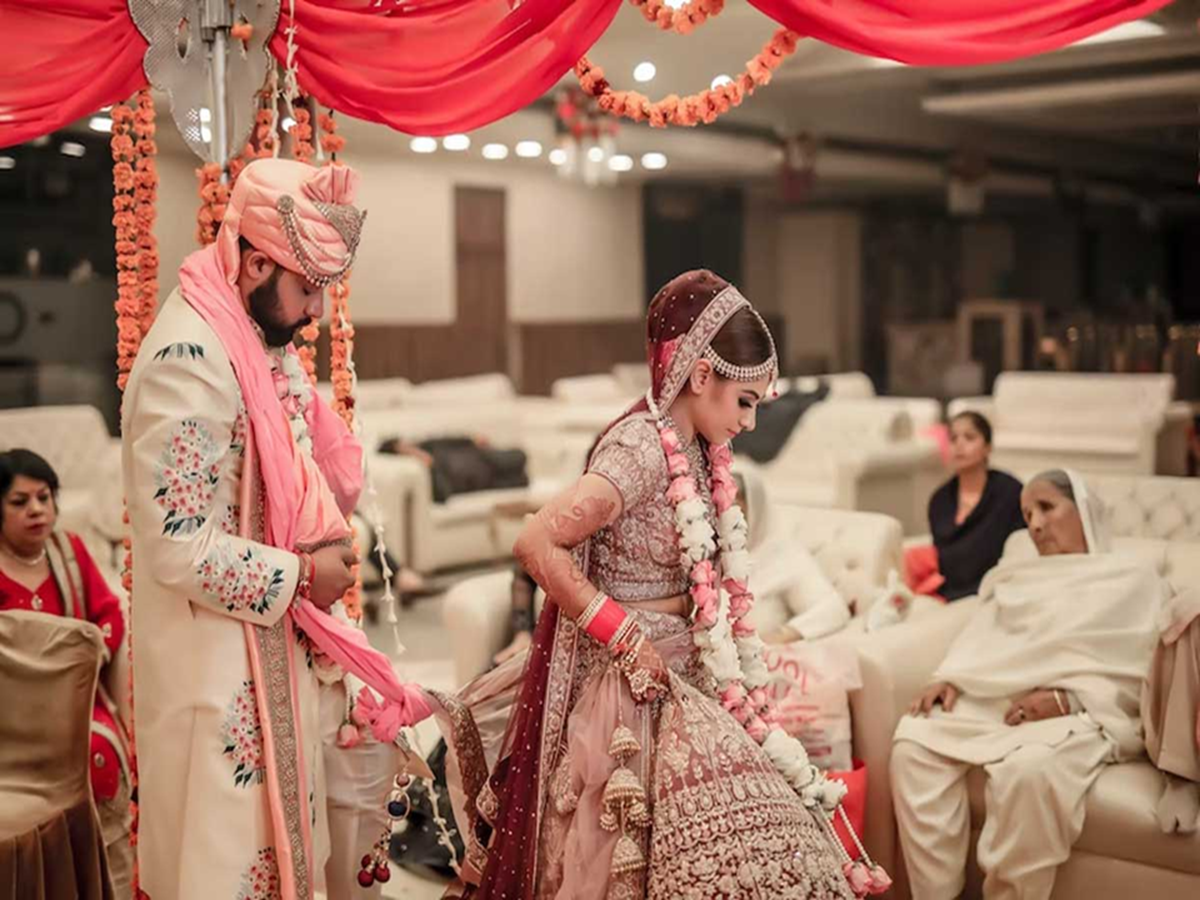
According to Acharya Pandit Anupam Maharaj Purohit, this ritual is performed during the wedding ceremony, specifically before the *Pheras* (circumambulations around the sacred fire), wherein the bride's *dupatta* (veil/scarf) is tied to the groom's attire. This *Gathbandhan* is traditionally performed by the groom's sister, and exactly two knots are tied. These two knots are considered symbolic of two fundamental pillars: the first being boundless love, and the second, unwavering trust. Additionally, this *Gathbandhan* is believed to symbolize the celestial union of the planets Venus (*Shukra*) and Mars (*Mangal*).
**Five Items Placed Within the *Gathbandhan***
Tied between the bride's *pallu* (the loose end of her sari/dupatta) and the groom's *dupatta* are five specific items—a coin, a flower, turmeric (*haldi*), *Durva* grass, and rice—each possessing its own distinct significance. When the *Gathbandhan* is performed during the wedding, a cloth (typically a *dupatta*) in shades of pink, yellow, or red is chosen for the purpose, while the use of white and black colors is strictly considered inauspicious.
**The Significance of the Pink *Gathbandhan* Cloth**
According to religious beliefs, the color pink symbolizes love, affection, and gentleness. Within the sacred bond of marriage, this color serves as an indication of the desire to maintain harmony and balance in the relationship between the bride and groom. Conversely, the color red symbolizes energy, devotion, and auspiciousness; consequently, in many regions, a combination of both pink and red hues is utilized. During the *Gathbandhan* ritual, the bride's *dupatta* is tied to the groom's *safa* (turban) or *angavastra* (upper garment). This is regarded not merely as a ritual, but as a symbol of the union of two souls. Amidst the chanting of mantras, the priest solemnizes this bond, signifying that the couple will now stand by each other through life's joys and sorrows.
Why is the Color Pink Significant?
According to the priest, the newlyweds' bedroom should ideally be painted pink, as this color is considered auspicious for happiness, positive energy, romance, and marital harmony. It is believed to help alleviate stress and foster harmony within relationships. Consequently, on a momentous occasion such as a wedding, the use of this color is viewed as an auspicious omen for the couple. In the context of history and tradition, colors hold a place of special significance in Indian culture; each color is believed to possess a distinct meaning and influence. The color pink, in particular, is associated with the inception of new relationships and emotional bonding; hence, it is accorded priority during pivotal rituals such as the *Gathbandhan*.
PC Social Media