LIFESTYLE
A special *Abhishek* is being performed at the Somnath Temple using water from 11 sacred rivers—learn about its significance..
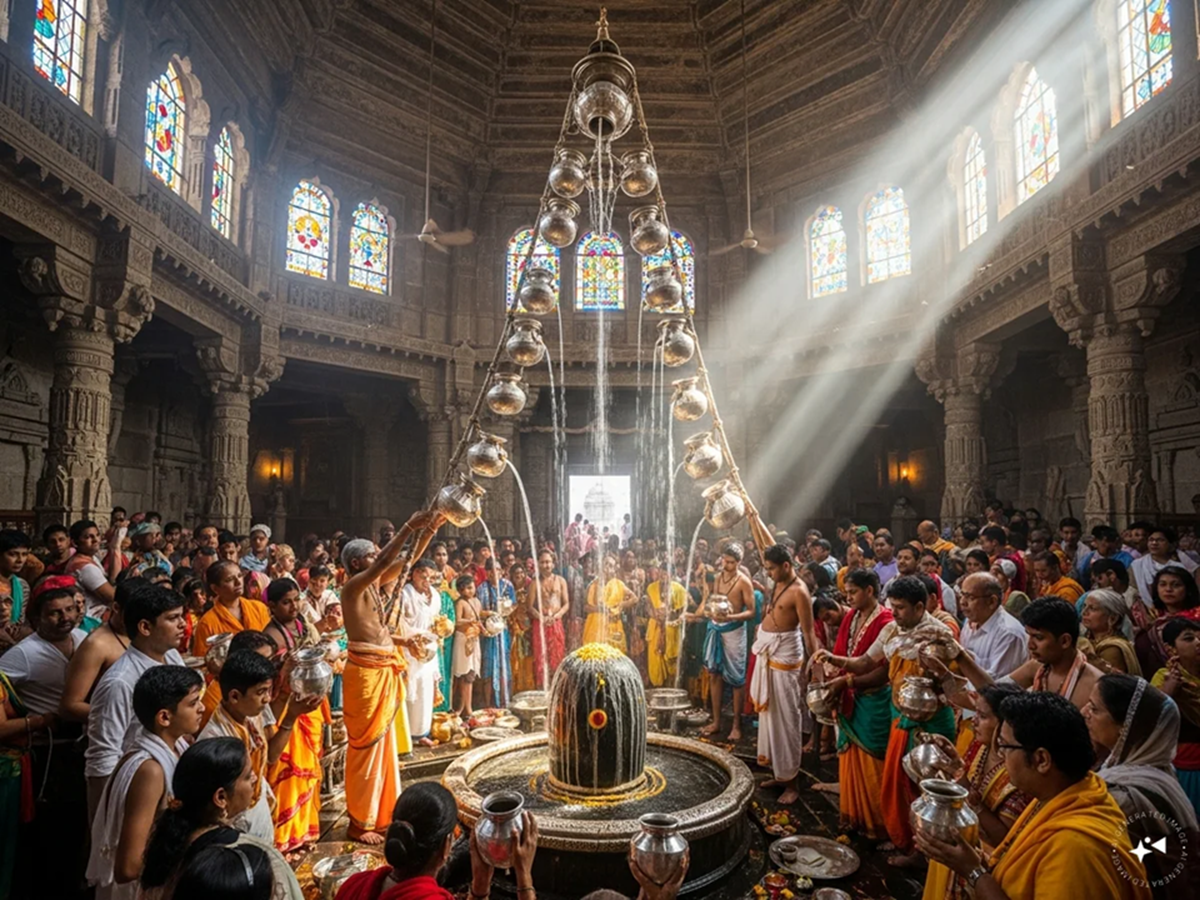
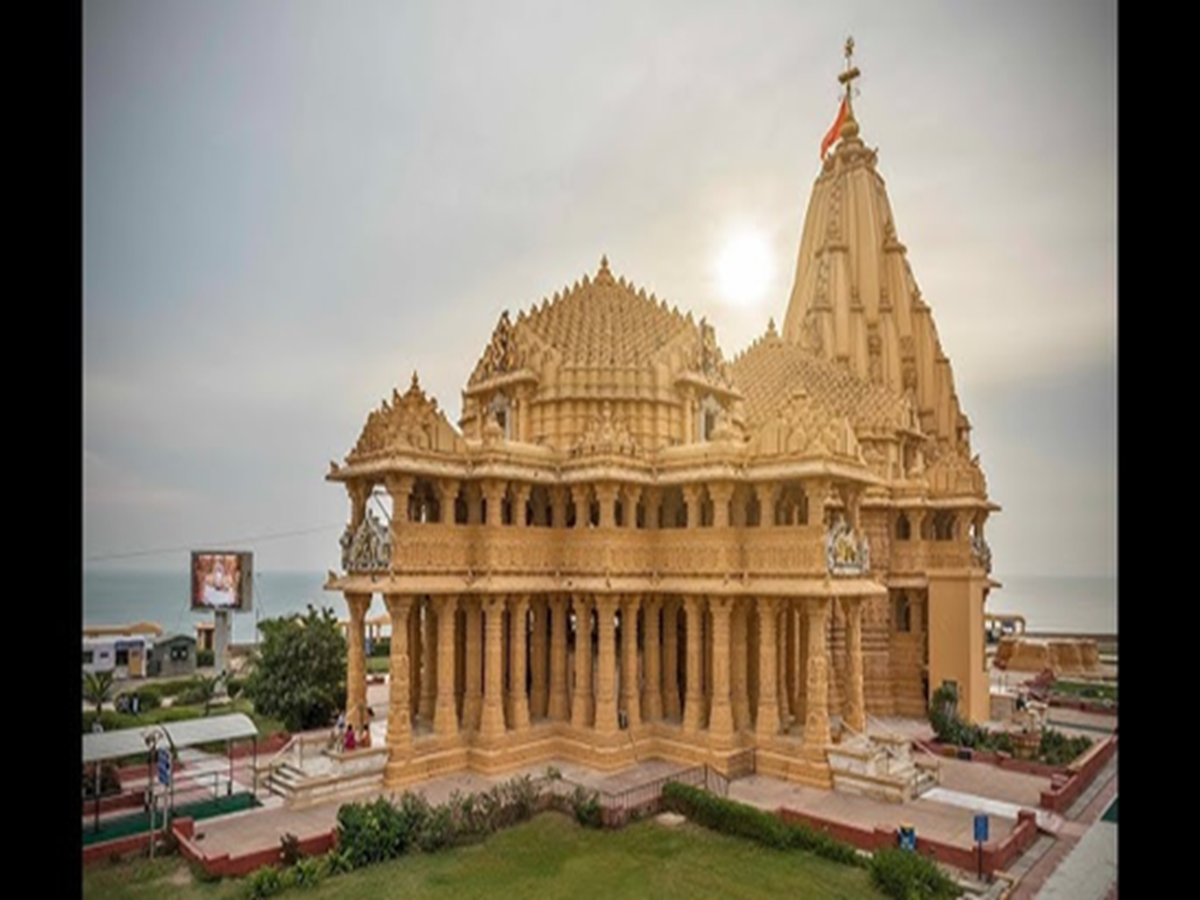
Somnath Amrit Mahotsav: At the Somnath Temple, situated along the shores of the Arabian Sea, a unique spectacle of faith and devotion is currently unfolding. Today, the 'Somnath Amrit Mahotsav' (Somnath Golden Jubilee Festival) is being organized here, an event attended by Prime Minister Narendra Modi himself. This Amrit Mahotsav is being celebrated on the auspicious occasion marking the completion of 75 years since the inauguration of the reconstructed temple. Water brought from various pilgrimage sites and sacred rivers across the country is being offered to the Jyotirlinga of Lord Shiva. This special *Jalabhishek* (ritual water offering)—performed at the temple using water from 11 distinct locations—is regarded not merely as a religious ritual, but as an act deeply rooted in the profound spiritual philosophy of the Sanatan tradition.
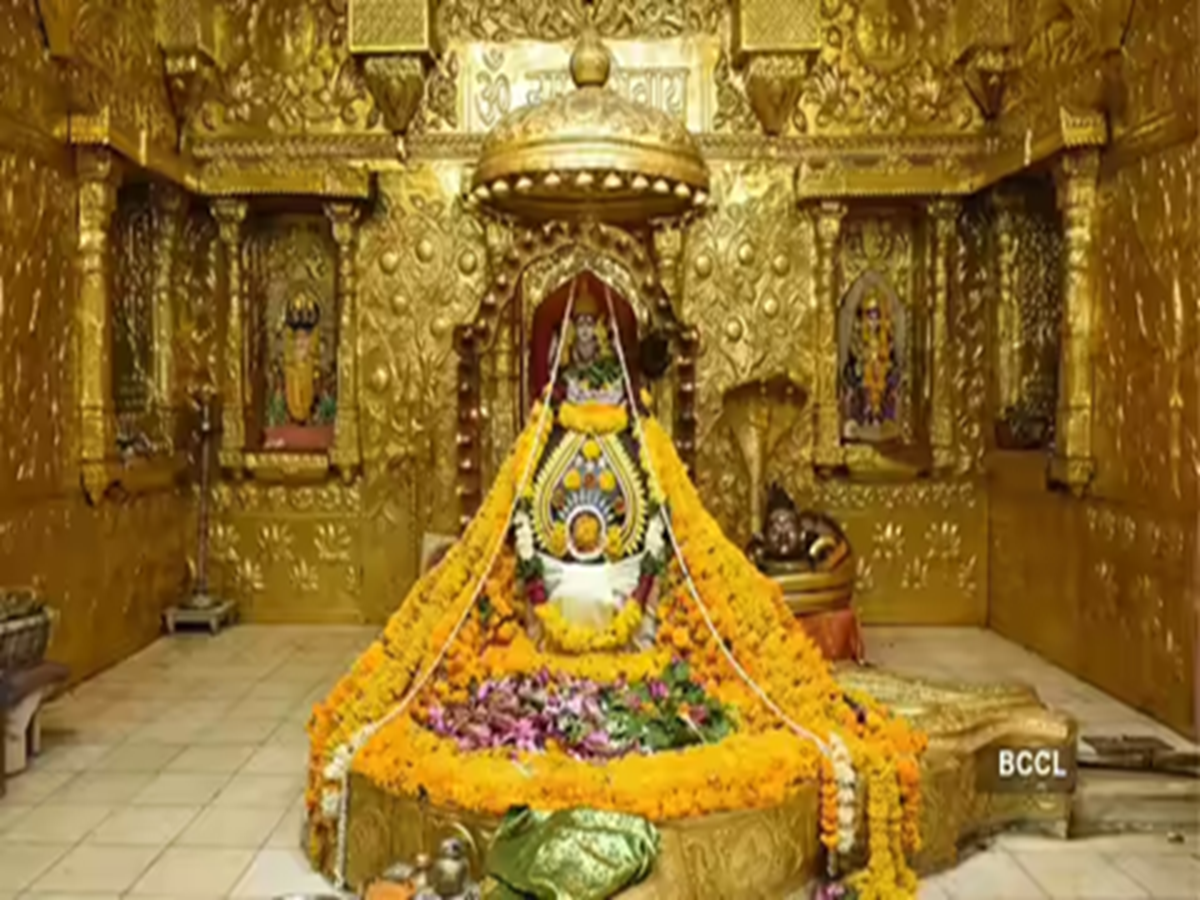
A large number of devotees are arriving to witness this unique worship ceremony, which is also generating significant buzz on social media. Many people are curious to know: why, specifically, is water from 11 locations brought for this ritual? What is its significance, and what spiritual benefits does it yield? Astrologer and Vastu consultant Pandit Hitendra Kumar Sharma offers further insights into this subject.
**What is the Religious Significance of the *Abhishek* Performed with 11 Sacred Waters?**
In Hinduism, the *Jalabhishek* of Lord Shiva is considered to be of immense importance. It is believed that offering water helps soothe mental unrest and infuses one's life with positive energy. However, when water collected from various pilgrimage sites and rivers is offered collectively upon the Shivling, its spiritual significance is amplified manifold.
According to religious scholars, the 11 distinct water sources are associated with the 11 *Rudra* forms (manifestations) of Lord Shiva. This is precisely why water from sacred rivers such as the Ganges, Yamuna, Narmada, Godavari, and Kaveri is incorporated into this ritual. It is believed that each of these rivers possesses a unique divine energy; when these energies converge during the *Shiv Abhishek*, the surrounding atmosphere becomes spiritually charged and immensely powerful.
**Why is the Bond Between Lord Shiva and Water Considered Special?**
According to mythological legends, Lord Shiva is revered as the deity who is "fond of water" (*Jalapriya*). During the *Samudra Manthan* (the Churning of the Ocean), when Lord Shiva consumed the cosmic poison (*Halahala*), the other deities offered him water to soothe and pacify him. It was from that moment that the tradition of offering water to the Shivling began. The special *Jalabhishek* (ritual water offering) performed at the Somnath Temple is considered an extension of this very tradition. Here, devotees carrying water from various states arrive at the temple after journeys spanning several days. For them, this is not merely an act of worship, but a pilgrimage of faith.
**What, ultimately, is the significance of this?**
According to religious beliefs, such a collective and special *Jalabhishek* is considered auspicious for both the individual and society at large. It is said to diminish negative energy and foster an atmosphere of positivity. Many devotees also associate this practice with attaining mental peace, family prosperity, and good health.
However, from a scientific perspective, it is viewed as a process intrinsically linked to faith and mental equilibrium. When thousands of people participate simultaneously in a religious ritual, the collective belief and emotional bonding serve to mentally strengthen the participants. This is precisely why people experience a unique sense of tranquility during such events.
**Not Just Worship, but a Symbol of Cultural Unity**
The *Jalabhishek* performed at Somnath—utilizing water from eleven distinct sources—is also regarded as a symbol of the nation's cultural unity. Bringing together water from various states and rivers to offer it to Lord Shiva conveys the message that India's diversity is, ultimately, interwoven within a single spiritual stream. Interestingly, the younger generation has also begun to participate enthusiastically in such religious events. People are sharing videos and photographs of this tradition on social media, thereby enabling the new generation to grasp its profound significance.
**A Confluence of Faith, Tradition, and Spiritual Belief**
The *Jalabhishek* performed at the Somnath Temple—using water collected from eleven different locations—is far more than a mere religious ritual. It is a tradition that embodies faith, spiritual energy, and the profound depth of Indian culture. While some view it as an expression of religious faith, others perceive it as a pathway to mental peace; yet, for millions of people, it remains a deeply special way to connect with Lord Shiva. This is the reason why this centuries-old tradition continues to appear just as vibrant and alive today as it did in the past.
PC Social Media