
LIFESTYLE
AC Tips: Before buying an AC, know these 5 important things, otherwise you will regret it later...

As summer begins, demand for ACs increases rapidly, and in this haste, many people choose the wrong model. This results in higher electricity bills, poor cooling, and additional maintenance costs. Purchasing an AC isn't just about price; it's also important to understand your needs, room size, and technology. A well-informed AC purchase provides years of comfort, while a wrong choice can be a drain on your wallet.
Choose the Tonnage Based on the Room's Capacity
The tonnage of an AC is directly related to the size of the room. A small AC won't be able to cool a large room, while a larger one will consume unnecessary electricity. Generally, a 1-ton AC is considered best for a small room, a 1.5-ton AC for a medium room, and a 2-ton AC for a large room. The amount of sunlight in the room and the number of people seated in the room also impact cooling. Choosing the right tonnage is the first and most important decision. A 1.5-ton AC is best for a room measuring 120 to 180 square feet. Whereas, for smaller rooms, a 1-ton AC is considered better, and for larger rooms, a 2-ton AC is considered better.
Star Rating Determines Electricity Bill
The star rating on an AC isn't just a sticker, it's an indicator of cost. An AC with a higher star rating consumes less electricity. Initially, it may seem a little more expensive, but the long-term savings in electricity pay off. If the AC needs to run for many hours every day, it's wise to opt for a higher star rating model. While a lower star rating may be cheaper, it consumes a lot of electricity.
Inverter AC vs. Non-Inverter: Understand the Difference
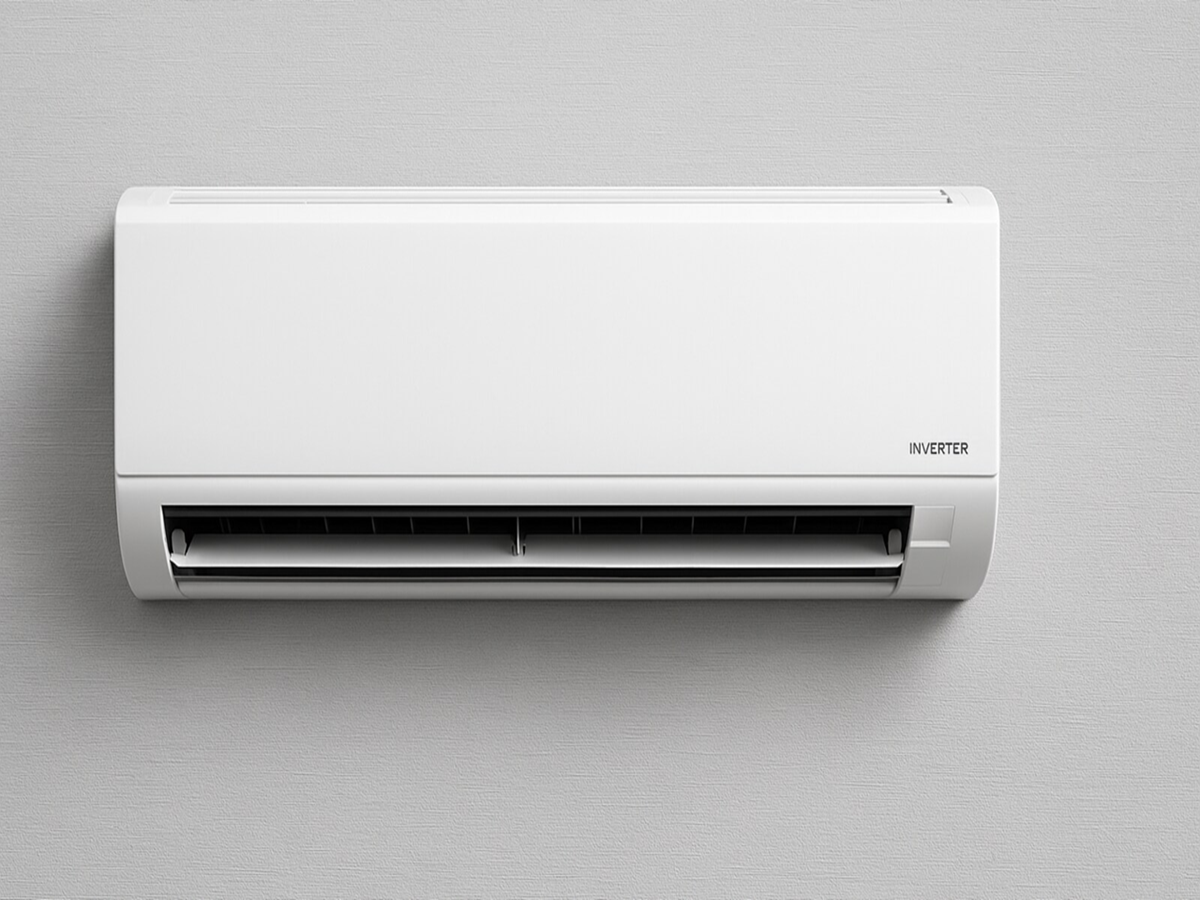
An inverter AC increases and decreases its compressor speed as needed, saving electricity. A non-inverter AC cycles on and off frequently, increasing power consumption. An inverter model is considered better for frequent users. It also reduces noise and provides more stable cooling. If you run the AC for many hours continuously, an inverter AC may be more beneficial for you.
Split or Window AC: Which is Better?
Split ACs look better and sound quieter, making them preferred for bedrooms and living rooms. Window ACs are cheaper and easier to install, but can be noisier. Where wall space and a proper outdoor setup are available, a split AC is a good option. Window ACs also work well for smaller rooms and with a smaller budget. Choose based on your space and needs. If you live in a rented house, you can opt for a window AC, but if you're buying your own home, a split AC may be the best option.

Installation and Maintenance Costs
In addition to the AC price, there are also costs for installation, pipes, stands, and wiring. People often end up paying more for installation than they would for a cheaper AC. Therefore, it's important to understand the service center and warranty terms in advance. Filter cleaning and regular service improve both cooling and the life of the machine. It's also wise to estimate the total cost when purchasing.
PC Social Media