LIFESTYLE
According to the scriptures, the importance and method of applying Tilak during worship, know whether you are also making this mistake?
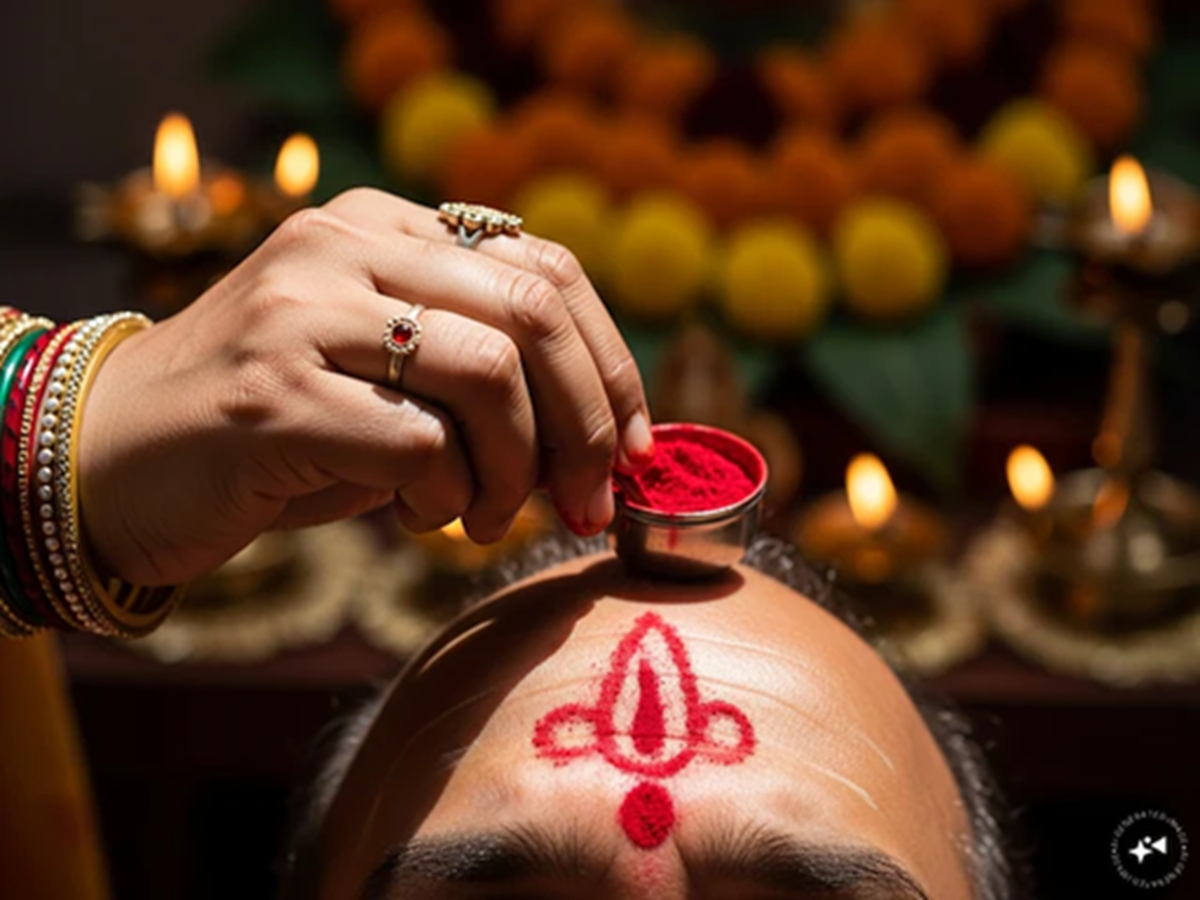
In Indian scriptures and spiritual traditions, the tilak (tika) or mark holds a very important place. It is not merely a decoration or tradition, but a symbol of energy, faith, and protection. The place where the tilak is applied, the Ajna Chakra (the area between the two eyebrows), is considered extremely powerful in yoga and tantra.
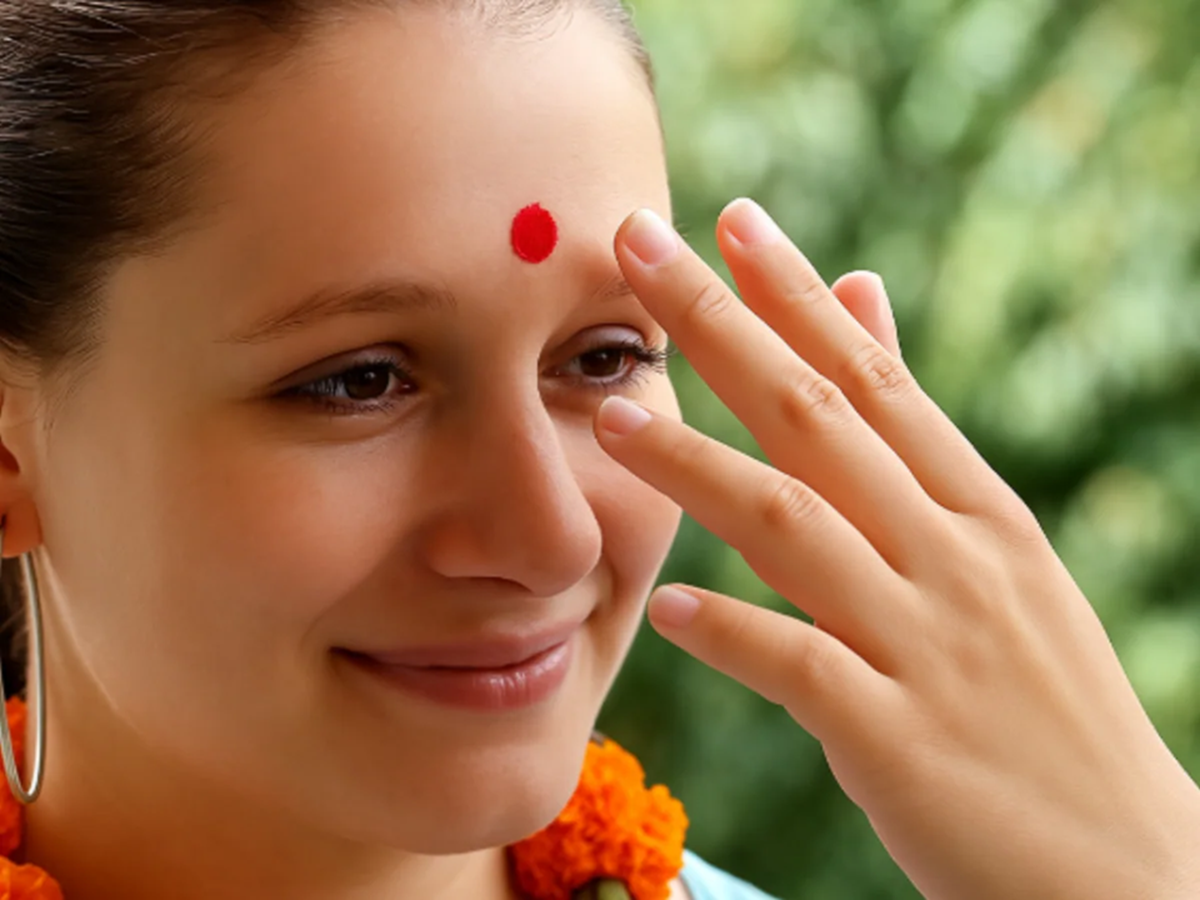
1. Activates the Ajna Chakra
Scriptures state that applying a tilak stabilizes the mind, brings clarity to thoughts, and increases concentration. The Ajna Chakra is considered the center of self-realization and awareness.
2. Protection of Positive Energy
The tilak acts as a protective shield on the forehead. It is believed to protect against negative energy and balance body heat.
3. Symbol of Virtue and Auspiciousness
Applying a tilak after worship is considered auspicious. It signifies that one has come into contact with God and is under His protection.
4. Purification of the Mind and Spirit
Sandalwood, turmeric, roli, or ash all have their own spiritual and medicinal significance. Their touch is considered to calm the mind and purify the soul.
5. Symbol of Identity and Religion
Deities and believers have also been identified with tilaks. Different tilaks in Shaiva, Vaishnava, and Shakta traditions reflect their uniqueness.
What should your puja tilak be like?
1. Sandalwood Tilak – Coolness and Peace
Sandalwood tilak calms the mind and balances energy. It is considered best for meditation, worship, and spiritual practice.
For: All age groups, meditators, and those with mental stress.
2. Roli/Kumkum Tilak – Power and Auspiciousness
Red tilak made from roli symbolizes auspiciousness and power. It is considered most auspicious in a puja.
For: Worship of deities, havan, or auspicious events.
3. Turmeric Tilak – Purity and Health
Turmeric is considered extremely sacred and auspicious. It increases the body's resistance to disease.
For: Aarti, home worship, morning tilak.
4. Ash Tilak – Detachment and Protection
The Tripund Bhasma Tilak is especially applied in the Shaivite sect. It symbolizes the destruction of the ego and the increase in self-knowledge.

5. Tilak with Rice (Akshat) – Completeness and Blessings
Applying Akshat on top of the tilak is considered more auspicious. It symbolizes completeness and stability.
According to the scriptures, a tilak is not just a religious symbol but a means of energy balance, protection, auspiciousness, and spiritual progress. When performing puja, choose a tilak of sandalwood, roli, or turmeric according to your nature and needs; your tilak also represents your spiritual identity.
PC Social Media