LIFESTYLE
After 18 years, an eclipse alignment returns during the month of Sawan; both a solar eclipse and a lunar eclipse will occur..
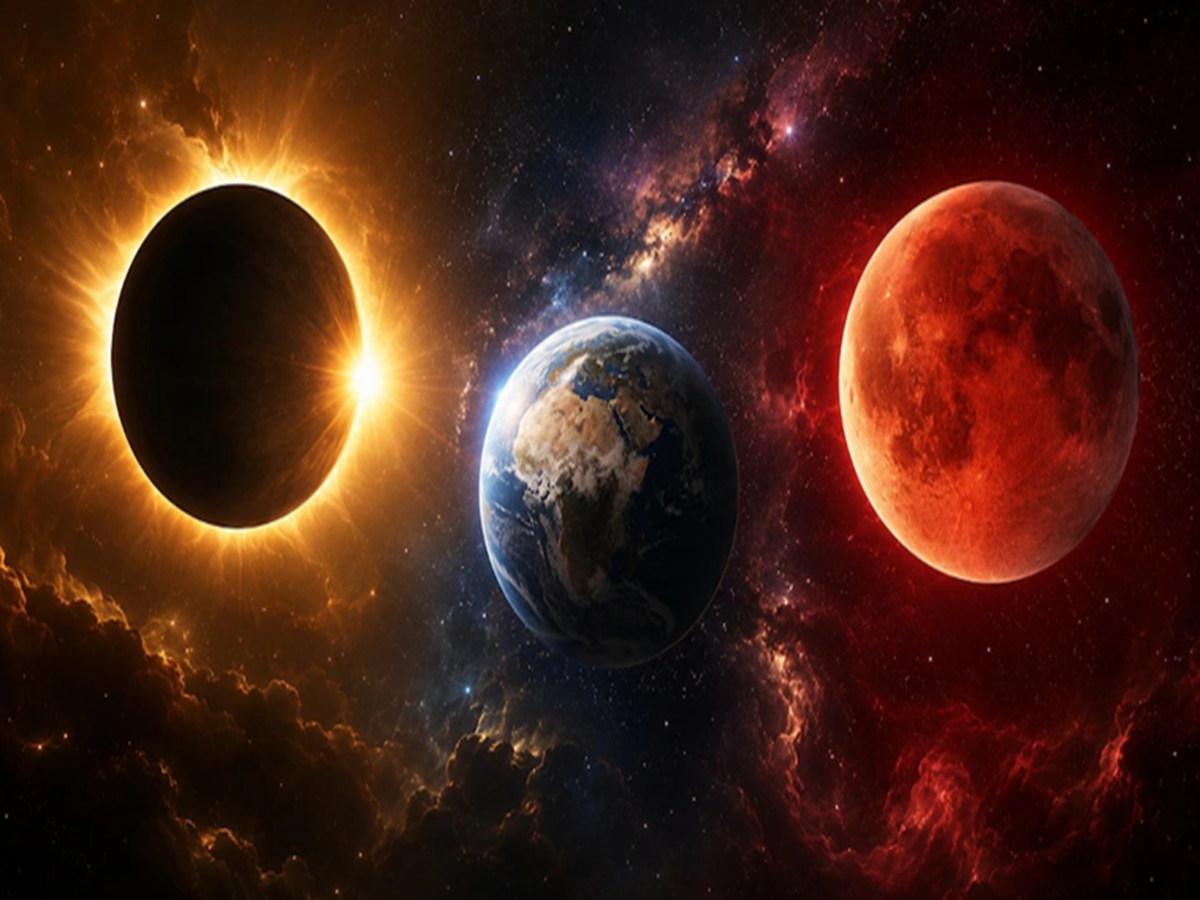
Eclipses in Sawan 2026: This year, eclipses are set to occur on both the *Amavasya* (new moon) and *Purnima* (full moon) of the month of Shravan (Sawan). A rare alignment is occurring after 18 years, where a solar eclipse and a lunar eclipse will take place within a span of 15 days during Sawan—a month dear to Lord Shiva. The solar eclipse will occur on Shravan Amavasya (also known as Hariyali Amavasya), while the lunar eclipse will take place on Shravan Purnima (the day of Raksha Bandhan). The *Sutak* period (an inauspicious time preceding an eclipse) begins 9 hours prior for a lunar eclipse and 12 hours prior for a solar eclipse; during this time, no auspicious activities are performed. Let us learn more about the solar and lunar eclipses occurring during Sawan.
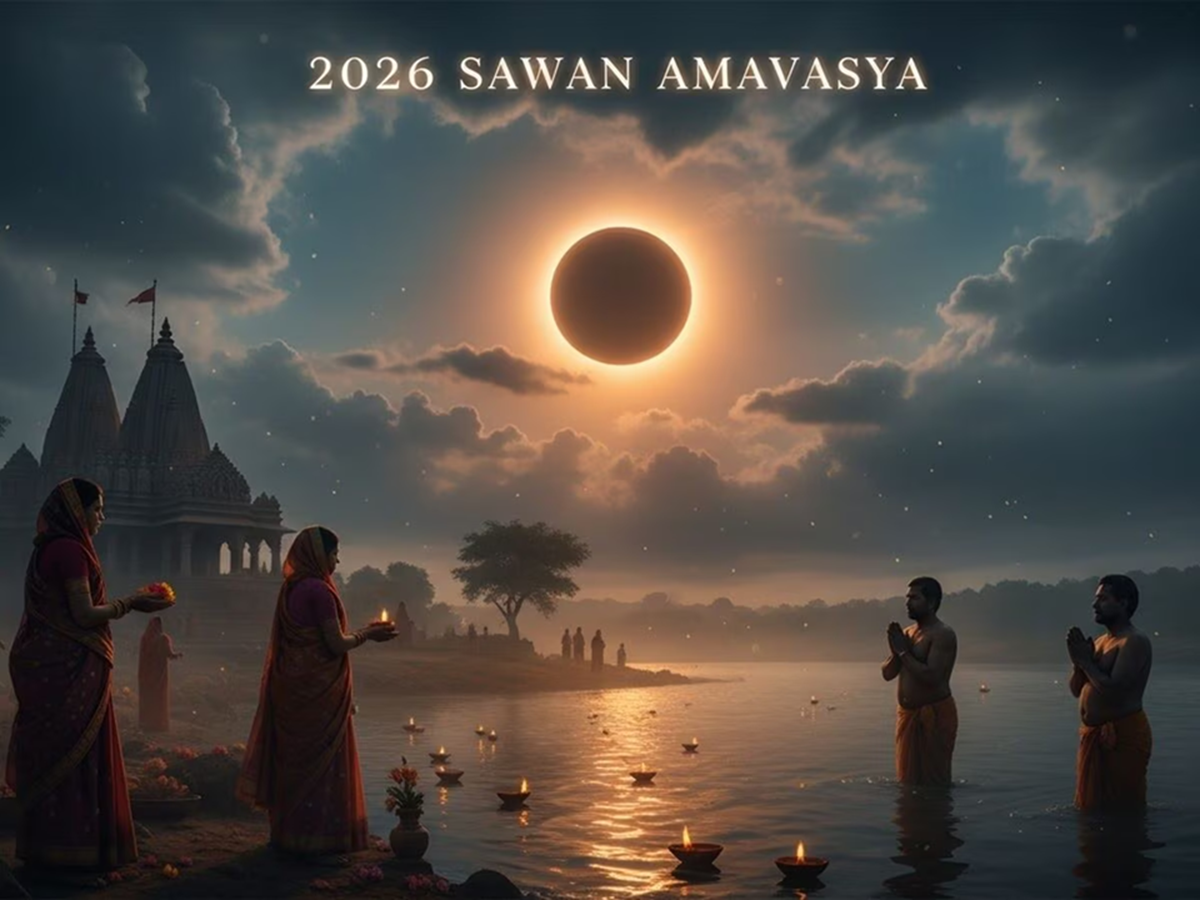
A similar eclipse alignment occurred in Sawan 18 years ago
Eighteen years ago, in the month of Sawan in 2008, a solar eclipse occurred on Shravan Amavasya (August 1), followed by a lunar eclipse 15 days later on Shravan Purnima (August 17). An identical alignment is occurring this year, in 2026. A solar eclipse will take place on Shravan Amavasya, and a lunar eclipse will occur on Shravan Purnima.
When will the solar eclipse occur?
This year, the solar eclipse will begin at 9:04 PM on August 12 (Sawan Amavasya/Hariyali Amavasya) and conclude at 4:25 AM on August 13.
When will the lunar eclipse occur?
The final lunar eclipse of the year will begin at 6:53 AM on August 28 (Shravan Purnima). It will conclude at 12:32 PM on the same day. These timings are based on Indian Standard Time.
*Sutak* period for the solar eclipse
The solar eclipse occurring on August 12 will not be visible in India; therefore, the *Sutak* period will not be applicable. Consequently, temple doors will remain open as usual, and worship rituals and other activities will proceed normally on the day of the solar eclipse.
*Sutak* period for the lunar eclipse
The *Sutak* period will also not be applicable for the year's final lunar eclipse on August 28, as this eclipse will not be visible in the country. For this reason, you will be able to carry out your daily activities as usual on that day. The Blood Moon will be visible in other parts of the world on that day, with the moon appearing a deep reddish-brown.
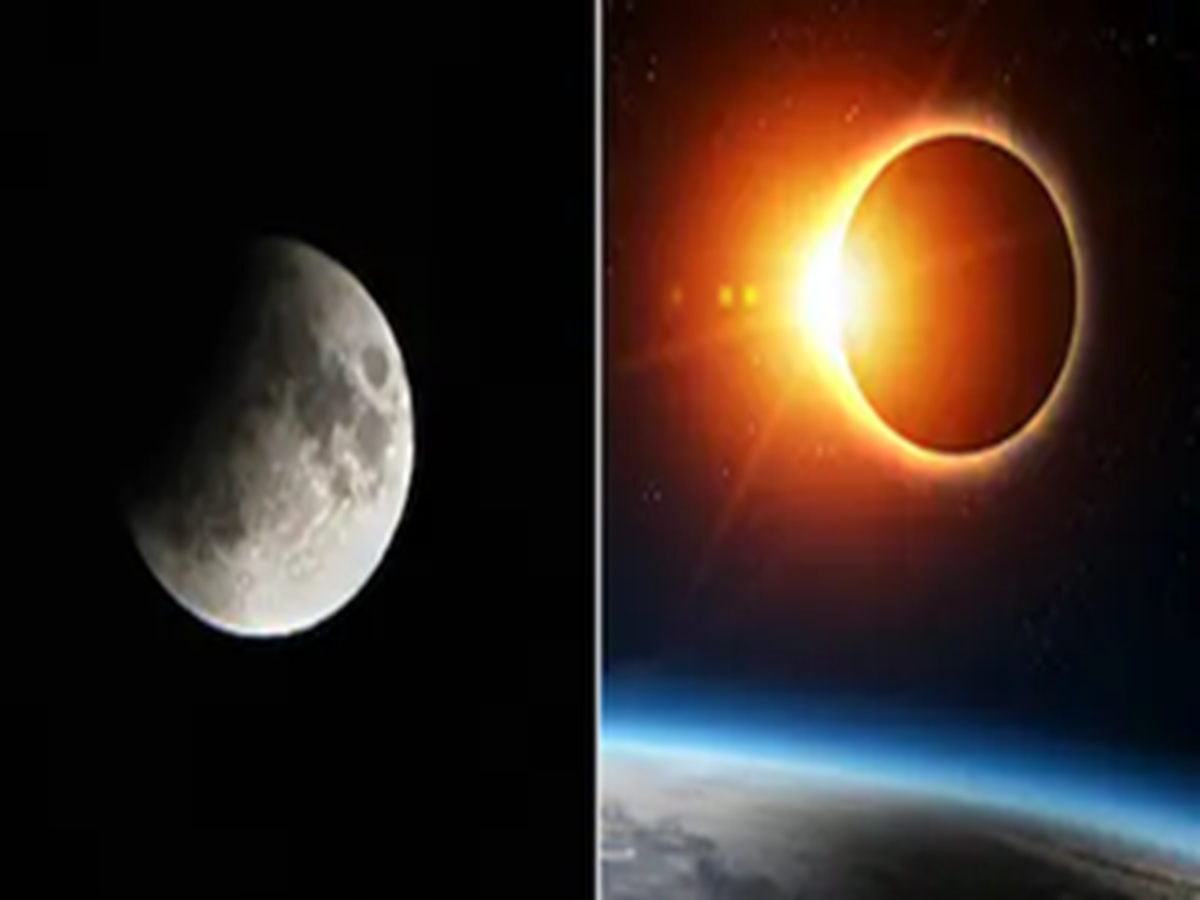
Since neither of these final eclipses will be visible in our country, the *Sutak* (inauspicious period) will not apply. Consequently, both days will remain suitable for religious activities, and there will be no need for the ritual purification of homes or temples. However, the solar and lunar eclipses will certainly have an impact on the zodiac signs.
PC Social Media