
In this fast-paced world, we have, willingly or unwillingly, become "slaves" to gadgets like mobile phones and computers. Whether it's office work, online classes, or chatting with friends, we're surrounded by them all day long. Gradually, this habit has become so prevalent that our exposure to sunlight, fresh air, and the outside world is diminishing.
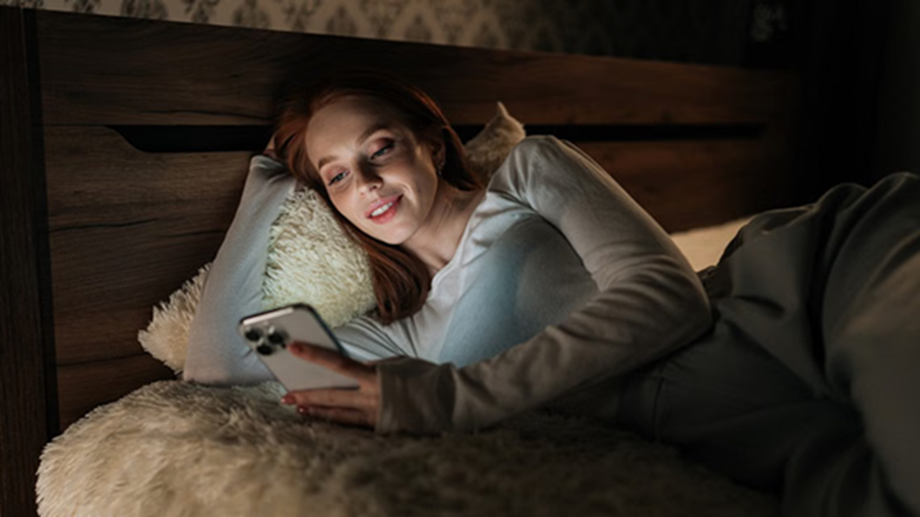
Did you know that its effects aren't limited to just our eyes or sleep? Constantly looking at screens, especially the blue light from mobile phones and laptops, can cause premature aging and increase the risk of diseases that typically affect the elderly.
Previous scientific research has shown that prolonged use of these devices can affect the body's biological clock, increasing the risk of fatigue, wrinkles, and hormonal imbalances. This also increases the risk of premature aging.
Are you also frequently exposed to blue light, sitting in front of a laptop computer all day at the office, and spending less time outdoors? If so, there's still time to be careful.
'Time spent indoors is dangerous'
Many studies have previously shown that working long hours at home or in the office reduces physical activity, leading to problems like obesity, heart disease, and mental stress. Furthermore, a lack of natural light can lead to vitamin D deficiency, which weakens bones and immunity.
Along with these side effects, increased exposure to blue light-emitting devices is a cause for further concern.
What did the study reveal?
Jaga Gibultowicz, a professor in the Department of Biology at Oregon State University in the US, stated that based on research, prolonged exposure to blue light emitted from your phone, computer, and household appliances can impact your longevity and accelerate aging. This blue light damages the retina as well as brain cells.
This study, published in the journal Aging and Mechanisms of Disease, was conducted on animals. The flies' biological clock was also monitored while exposed to blue light.
The findings showed that this light accelerated the aging process. Flies kept in 12 hours of light and 12 hours of darkness per day lived shorter lives than flies kept in complete darkness or in light filtered out of blue wavelengths. Flies exposed to blue light suffered damage to retinal cells and brain neurons, and their mobility decreased.
Impact on Sleep and Risk of Obesity
Similarly, according to a report published in Aging and Mechanisms of Disease, everyone needs natural light to maintain their circadian clock. The circadian clock is a system in our body that regulates sleep-wake cycles, hormone production, body temperature, and other bodily functions.
Research also found evidence that exposure to artificial blue light may be detrimental to sleep patterns. Experts say that when sleep quality is affected, weight gain can also occur. Previous research has shown that obesity can accelerate aging and affect your lifespan.
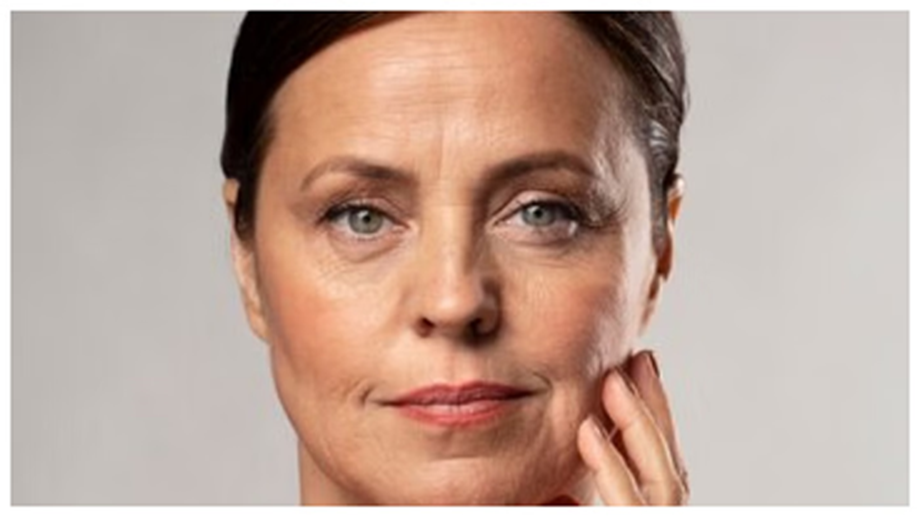
Aging becomes visible on the skin
Experts say that in addition to sleep problems, blue light also damages skin cells. Research suggests that exposure to blue light for 12 hours a day increases the likelihood of aging and possibly damages skin cells.
This can lead to premature wrinkles and blemishes. It can also cause skin inflammation, discoloration, and redness. If you're constantly exposed to high levels of artificial blue light from computers, phones, and other devices, you're likely to age faster.
PC Social media