
Maintaining a healthy lifestyle and eating habits is considered paramount for good health. What we eat and drink, and the way we live, all have a direct impact on our health. This world of social media and the internet has accelerated the pace of life, but its downside is that people have become emotionally disconnected. Consequently, loneliness has increased significantly.

Studies show that constant screen time, reduced face-to-face interactions, and an increasing reliance on the virtual world have exacerbated loneliness among people of all ages. Consequently, stress, sleep deprivation, irritability, and mental fatigue are rapidly increasing. Loneliness is hurting everyone, from children to the elderly.
In a recent study, experts have warned that those who spent a significant amount of childhood in isolation may have a 41% increased risk of dementia. Not only this, but loneliness in childhood also reduces thinking and understanding abilities over time.
Loneliness increases the risk of Alzheimer's and dementia.
A World Health Organization (WHO) report reveals that one in six people in the world suffers from loneliness, a condition that is becoming a silent epidemic.
Health experts say that people generally think little about loneliness and rarely talk about it. However, studies show that early in life, if a child experiences loneliness, lacks parental support, or lacks friends, this condition can alter brain size. Furthermore, loneliness not only negatively impacts mental health but also significantly increases the risk of developing Alzheimer's disease and dementia in the future.
What did the study find?
A team of experts from the China Health and Retirement Longitudinal Study found that people who felt lonely in childhood had a significantly higher risk of dementia in adulthood. In the study, published in JAMA Network, the team found that this group of people also experienced faster cognitive decline. As they reached the age of 50-60, they developed symptoms of Alzheimer's disease and dementia at a faster rate than their peers.
Researchers say that mental ability naturally declines with age. Memory slows, and multitasking becomes difficult. When this decline occurs rapidly, it is considered akin to conditions like Alzheimer's and dementia, which damage brain cells and disrupt essential networks.
There is no cure for dementia, but experts believe that physical activity, mental exercise, and maintaining social contact can reduce its symptoms and slow the decline in brain function.
It also impacts mental capacity.
For this study, a team of experts examined data from participants from childhood to the age of 60. Participants' mental capacity was monitored.
Researchers found that children who experienced loneliness or lacked emotional support from family and friends experienced increased self-confidence, a decline in academic performance, emotional instability, impaired social skills, and behavioral problems as they aged. This condition was found to contribute to the long-term risk of dementia.
Impact of Loneliness on Physical Health
In 2023, the WHO also formed an international commission to address the growing problem of loneliness.
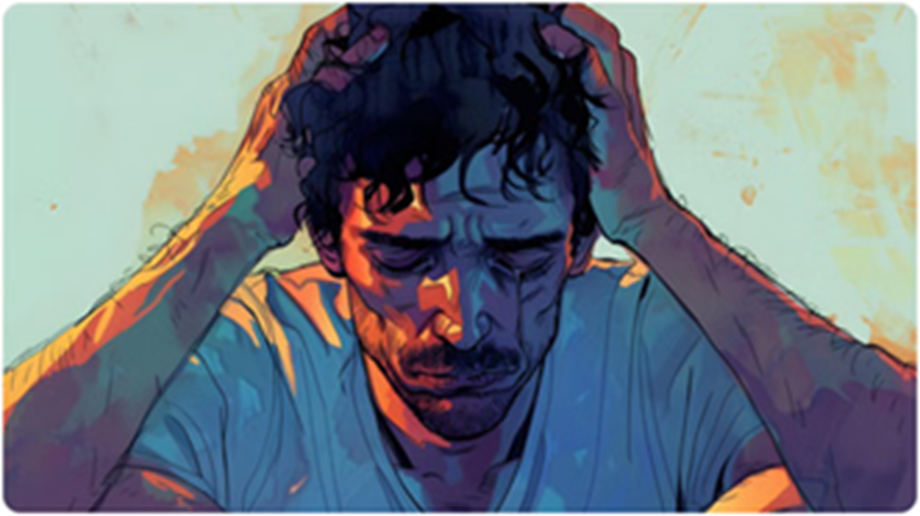
A look at the health impacts of loneliness reveals that in older adults, loneliness increases the risk of developing serious problems like dementia by 50%, and the risk of coronary artery disease or stroke by 30%. It's also affecting the lives of young people. Statistics indicate that 5% to 15% of adolescents experience loneliness. In Africa, the rate is 12.7%, while in Europe, the figure is 5.3%.
PC Social Media