
LIFESTYLE
Are you taking medication but your diabetes is still not under control? If so, are you perhaps making these 9 mistakes?

Diabetes is a lifestyle-related disease that, once contracted, lasts a lifetime. It cannot be cured, but it can be controlled. However, sometimes even with medication, doctor visits, and precautions, patients are unable to control their blood sugar levels (uncontrolled diabetes).
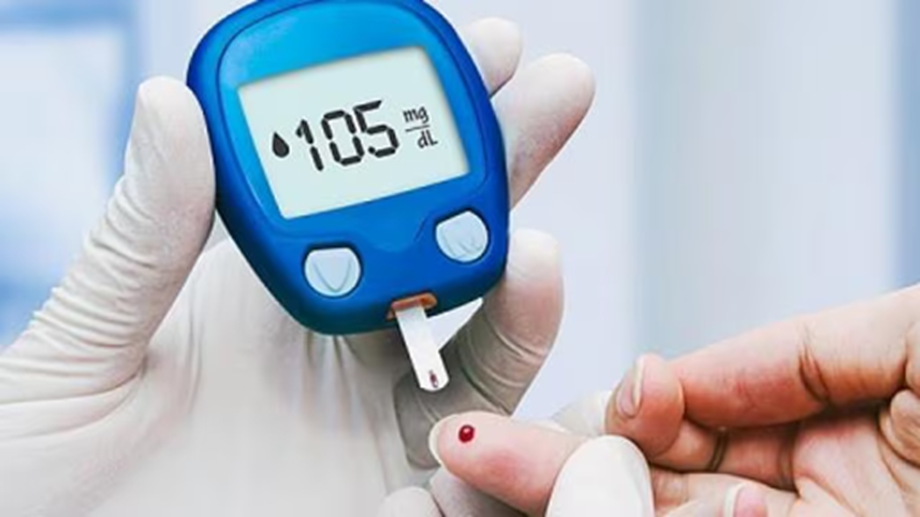
If you are also experiencing this, there may be some underlying reasons. Let's find out why many people are unable to control their diabetes.
Irregular Routine and Diet
A balanced diet and eating meals at regular times are crucial for controlling diabetes. Often, people take their medication but neglect their diet. Foods high in carbohydrates, sugary drinks, fast food, and irregular meal times can lead to uncontrolled blood sugar.
Lack of Physical Activity
Regular exercise or physical activity increases insulin sensitivity. Today's sedentary lifestyle, prolonged sitting, and lack of physical exertion are major reasons for uncontrolled diabetes.
Gaps in Medication or Incorrect Dosage
Sometimes patients do not complete the course of medication prescribed by their doctor or adjust the dosage themselves. Some people stop taking medication as soon as their blood sugar levels normalize, which can be dangerous.
Stress and Mental Health
Stress plays a significant role in increasing blood sugar levels. During stress, hormones like cortisol are released, which signal the liver to release glucose. This is why controlling diabetes becomes difficult in people struggling with anxiety, depression, or high stress.
Lack of Sufficient Sleep
Lack of sleep negatively affects the body's metabolism. This increases insulin resistance and imbalances hunger-regulating hormones. 6-8 hours of deep sleep at night is essential for diabetes management.
Other Health Problems
Sometimes thyroid problems, obesity, high blood pressure, kidney problems, or liver disease affect diabetes control. Poor management of these illnesses can also raise blood sugar levels.
Alcohol and Smoking
Smoking and alcohol increase insulin resistance. This reduces the effectiveness of medications and makes diabetes control more difficult.
Neglecting Blood Sugar Monitoring
It's not advisable to estimate blood sugar levels based solely on symptoms. Regular blood sugar checks are necessary to determine the effectiveness of medication and diet. Many people don't get their blood sugar checked for months, which prevents timely adjustments to treatment.
Genetic and Hormonal Factors
Some people are genetically predisposed to insulin resistance. In women, hormonal changes during PCOS, menopause, or pregnancy can also affect blood sugar levels.
PC Social Media