
LIFESTYLE
Are you unknowingly consuming "fake healthy foods" in your quest for weight loss? These 5 facts will blow your mind..
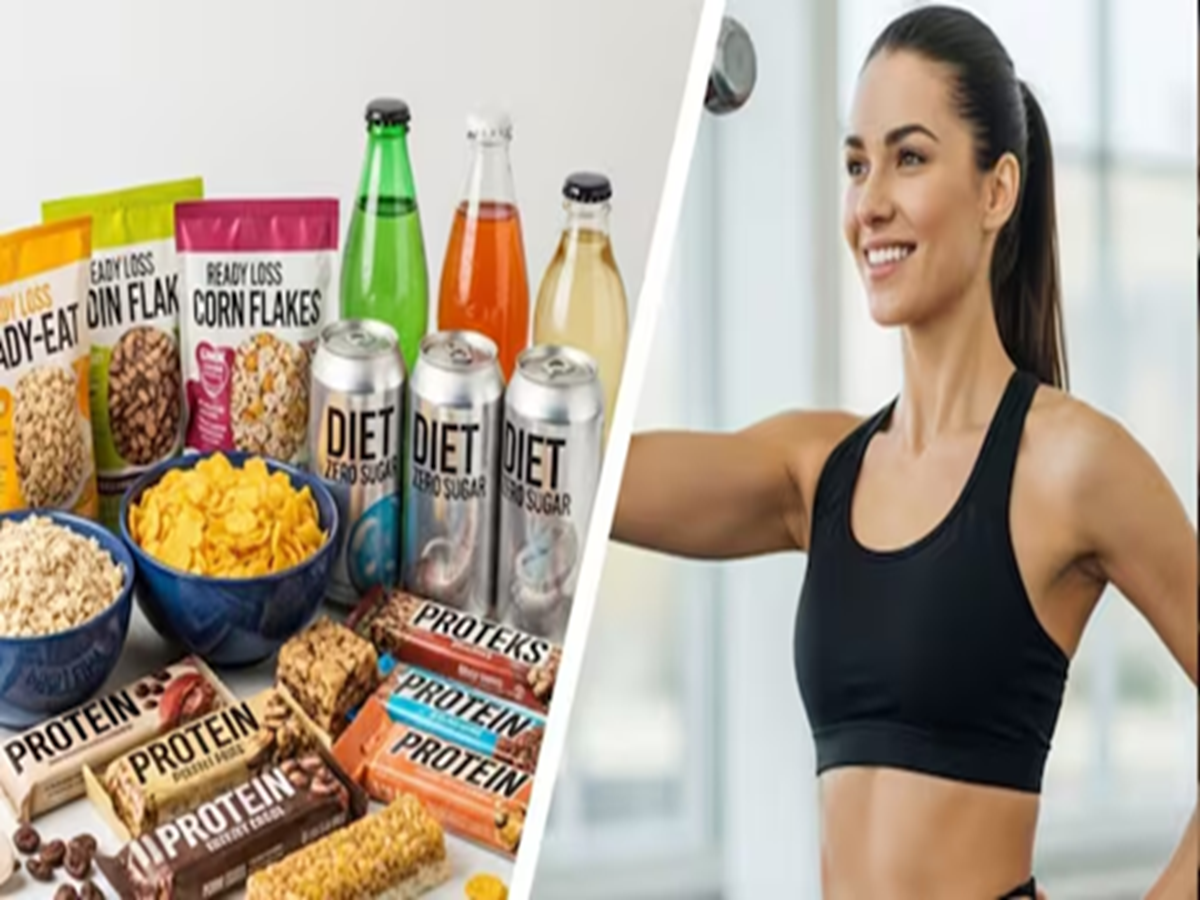
Fake Healthy Foods to Avoid: These days, countless people have become obsessed with losing weight. They constantly ponder what steps they can take to shed a significant amount of weight in a short period. To achieve this, many people sweat it out in the gym, while others spend hours engaging in physical activities at the park. Many also purchase and consume foods that claim to aid in weight loss. These products often bear labels boasting terms like "fat-free," "zero calories," or "diet-friendly." Consequently, people feel as though they have discovered a shortcut to weight loss. However, according to health experts, most of these products are, in reality, "fake healthy foods." Under the guise of weight loss, these foods are actually causing you to gain weight while simultaneously draining your wallet. Let's take a look at five such "fake healthy foods."
It is Essential to Avoid Fake Weight-Loss Foods
Ready-to-Eat Oats and Cornflakes: Oats are generally considered excellent for health; however, when you purchase flavored varieties—such as Masala Oats or instant oats with strawberry or chocolate flavors—from the market, you fall right into a marketing trap. The truth is that flavored oats and cornflakes contain high amounts of sodium and "hidden sugars" added solely to enhance their taste. These products undergo such extensive processing that their natural fiber content is completely stripped away. Consuming them leads to an increase in belly fat rather than weight loss.
Protein Bars: Eating a protein bar—whether after a workout or to satisfy a light craving—has become something of a trend and a status symbol these days. People often perceive them as a healthy alternative to chocolate bars. According to a report by the Cleveland Clinic in the U.S., if you carefully examine the nutritional label on the back of any protein bar, you will discover that it contains just as many calories and as much sugar as a standard chocolate bar. Furthermore, many protein bars contain high-fructose corn syrup, an ingredient directly linked to weight gain.
Packaged Fruit Juices: We are often misled by the images of fresh fruit displayed on the packaging, along with claims such as "100% Pure" or "No Added Sugar." We tend to assume that juice is inherently better than cold drinks. The truth, however, is that during the production of packaged juices, all of the fruit's natural fiber is filtered out and discarded. What remains is essentially just liquid sugar. When you consume this, it causes a sudden surge in your body's blood sugar levels, triggering an insulin spike that prompts the body to begin storing fat.
Diet Chips and Roasted Snacks: "Not fried, but baked"—this single tagline has successfully built a multi-million-dollar market. People trying to lose weight enthusiastically munch on diet *chivda* (flattened rice snacks), baked potato chips, or multigrain puffs alongside their evening tea. The reality is that to preserve the flavor of a food item after baking it, companies significantly increase the quantities of sodium, palm oil, and preservatives. Mistaking these products for "diet-friendly" options, people often consume them in excess, thereby inadvertently increasing their overall calorie intake.
Fat-Free or Low-Fat Yogurt: While attempting to lose weight, people often turn to low-fat options or commercially available flavored yogurts in an effort to eliminate fat from their dairy intake. According to experts, when fat is removed from a food item, it completely loses its natural flavor. To restore that flavor, companies add substantial amounts of sugar and artificial sweeteners. Consuming full-fat, natural yogurt keeps you feeling satiated for a longer period, whereas eating flavored, low-fat yogurt often leaves you feeling hungry again shortly thereafter.
PC Social Media