ENTERTAINMENT
Batwara (1947) Movie Review: Despite a compelling story, the film tests one's patience over its two-and-a-half-hour runtime..
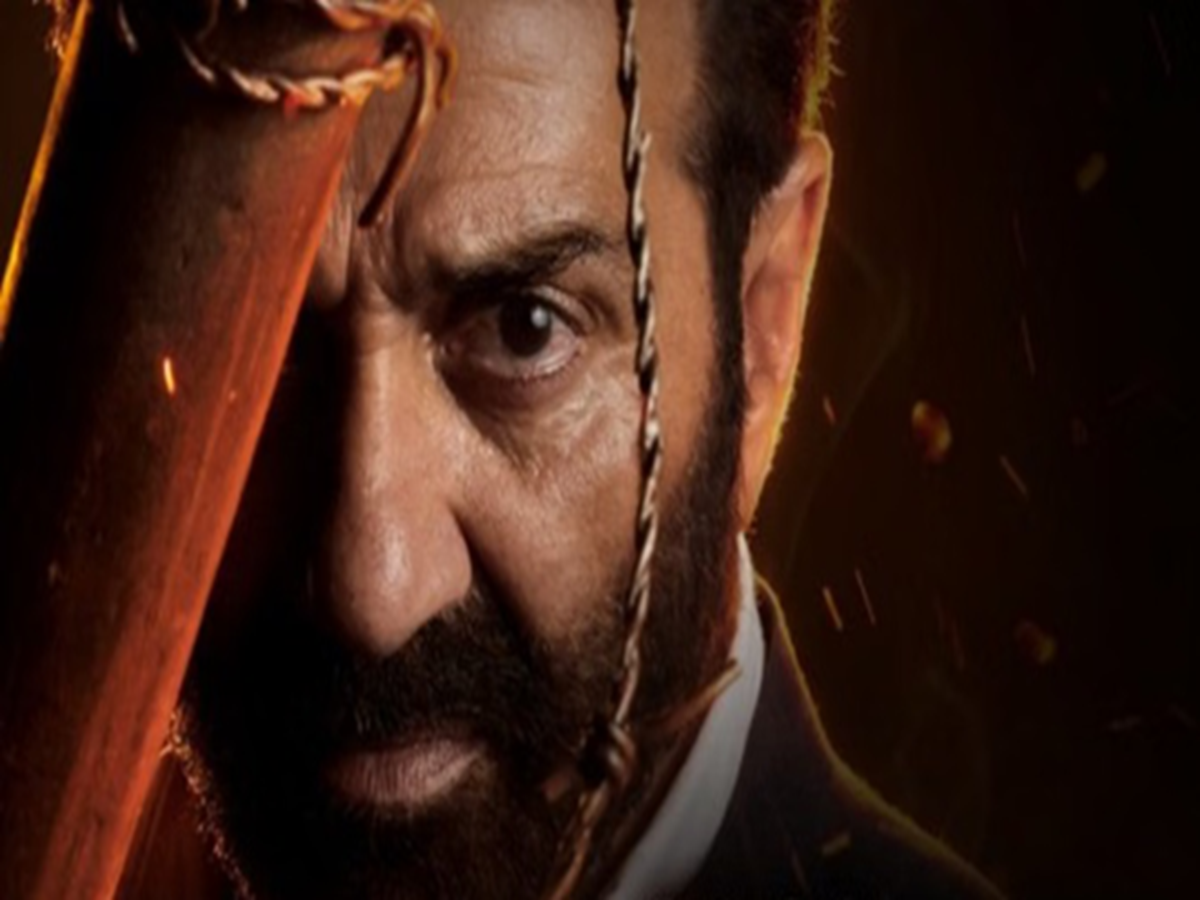
The film *Bantwara 1947*, starring Sunny Deol and Preity Zinta, has hit theaters today. The story begins against the backdrop of the 1947 Partition. There are riots and a forced migration to Lahore. A Muslim family is involved, and a son gets left behind. Meanwhile, in Lahore, an elderly Hindu woman refuses to leave her home. Politics over the occupation of the *haveli* (mansion) ensue, alongside religious hatred—essentially, all the ingredients of a Partition drama are present.
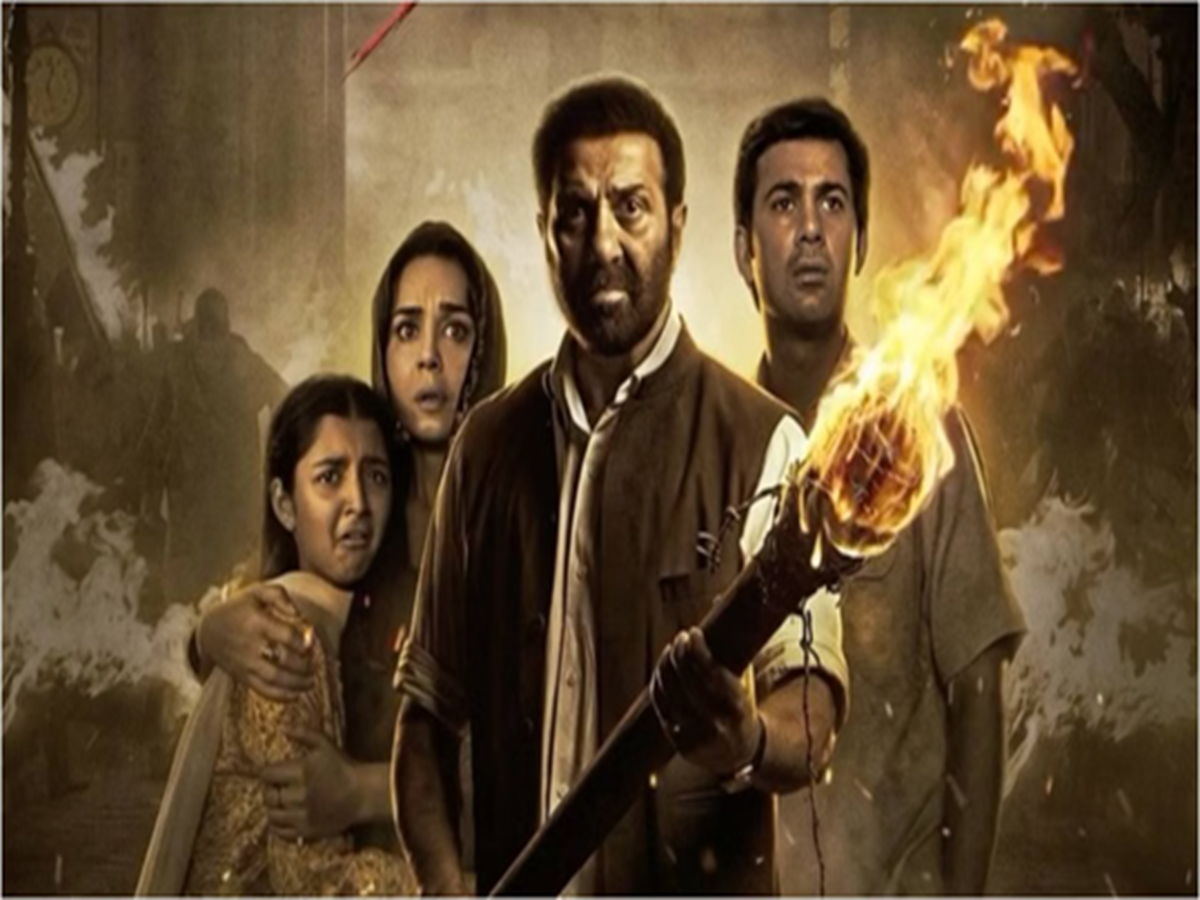
For the first half-hour, it seems like the film might really take off. However, it soon begins to go in circles. Before long, your attention shifts from the story to Sunny Deol: When will he appear next? When will the next long monologue begin? This is the film's biggest flaw. While the story has a lot to convey, the film tends to explain things rather than show them. The result? At several points, you find yourself wishing they would just get on with it.
Story: The Partition Plays Out Inside the *Haveli*
Riots have erupted in 1947. Amidst the partition of India and Pakistan, Sikandar Mirza (Sunny Deol) arrives in Lahore with his family—Hamida Begum (Preity Zinta) and Javed Mirza (Karan Deol). It is a new country, a new city, and an attempt to start life afresh.
They are allotted a large *haveli* to live in, but there is a catch: Durgavati Devi (Shabana Azmi) is still living there. Separated from her family, she is waiting for her son, Ratanlal, to return and flatly refuses to leave the house. This is where the real conflict begins.
On one side is the Mirza family, trying to establish a foothold in Lahore. On the other is Durgavati, for whom the *haveli* is not merely four walls but her entire past.
Then enters the local politician Yakub Khan (Abhimanyu Singh), who has his eye on the same *haveli*. The issue soon escalates beyond just a dispute over a house. Religion, politics, hatred, revenge, and humanity—they all converge within the confines of a single *haveli* (mansion). Habib Anwar (Ali Fazal) also enters the narrative, siding with the Mirza family and becoming a voice for humanity.
The story’s premise is solid; on paper, the film seems quite compelling. The problem lies in its execution on screen.
Acting: Everyone—except Sunny Deol—needed a bit more depth.
In this film, Sunny Deol does less acting and more heavy lifting to hold the movie together. His voice, screen presence, and commanding composure still work wonders. However, the issue is that the film repeatedly sends him out to deliver speeches.
Need to discuss religion? Sunny. Need to preach humanity? Sunny. Need to give a retort? Sunny. Need to build tension before the climax? Sunny again.
At times, you wonder: is this a movie or a motivational speaking session by Sunny Deol? Amusingly, you can often predict when a long monologue is coming—and sure enough, it does.
Yet, his lengthy monologues lack that classic ‘Sunny Deol’ impact this time around. The point is valid, and the message is right, but the scenes drag on so long that, instead of making an impact, they feel like mere lectures.
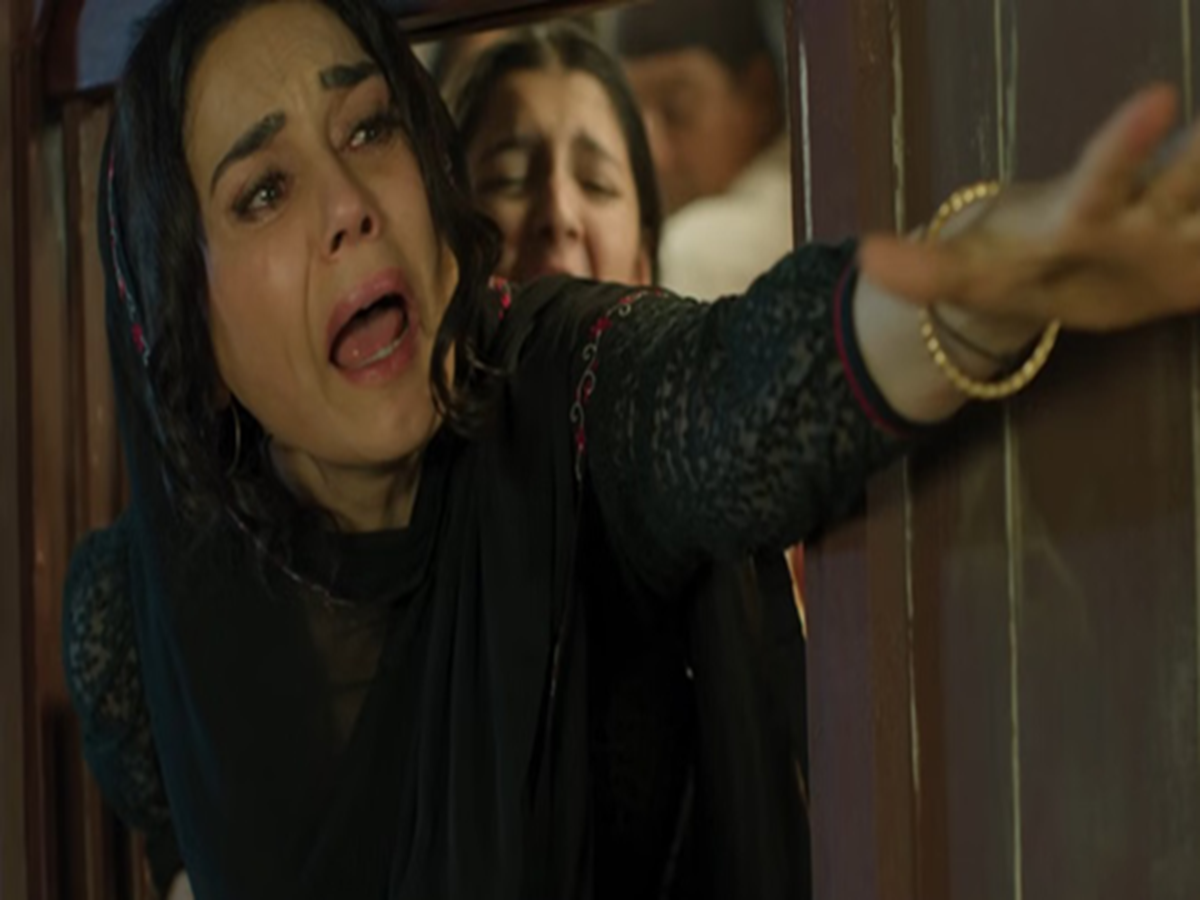
It is good to see Preity Zinta back, but she lacks ease in the role of Hamida. At times, her innocence feels contrived; she delivers the lines, but the emotional resonance is missing.
One had high expectations for an actress of Shabana Azmi’s caliber in this role. Yet, in many places, one hears the dialogue rather than feeling her pain. It feels as though she is merely reciting lines rather than inhabiting the character. At one point, her mannerisms instantly reminded me of the film *Karan Arjun*; all that was missing was hearing the line, "My Karan and Arjun will return."
Ali Fazal comes across as natural. His role involves less theatrics—perhaps that is why his performance feels more authentic. He plays the character of Habib Anwar. Karan Deol also gets his own action sequence, but the lack of natural ease in his performance is glaring. Whether it is anger or emotion, everything feels a bit contrived. Watching his action scene, it almost seems as if he told the makers, "You gave Dad all the action; get one done for me too."
Action: This time, it’s a bullock-cart wheel, not a handpump.
Since it is a Sunny Deol film, high-octane action is inevitable. Here too, Sunny single-handedly overpowers a multitude of opponents. The only difference is that this time, he wields a bullock-cart wheel instead of a handpump. It sounds entertaining on paper, but falls flat on screen.
PC Social Media