Food & recipe
Be careful when buying sweets for Diwali! Here’s how to distinguish between genuine and fake sweets..
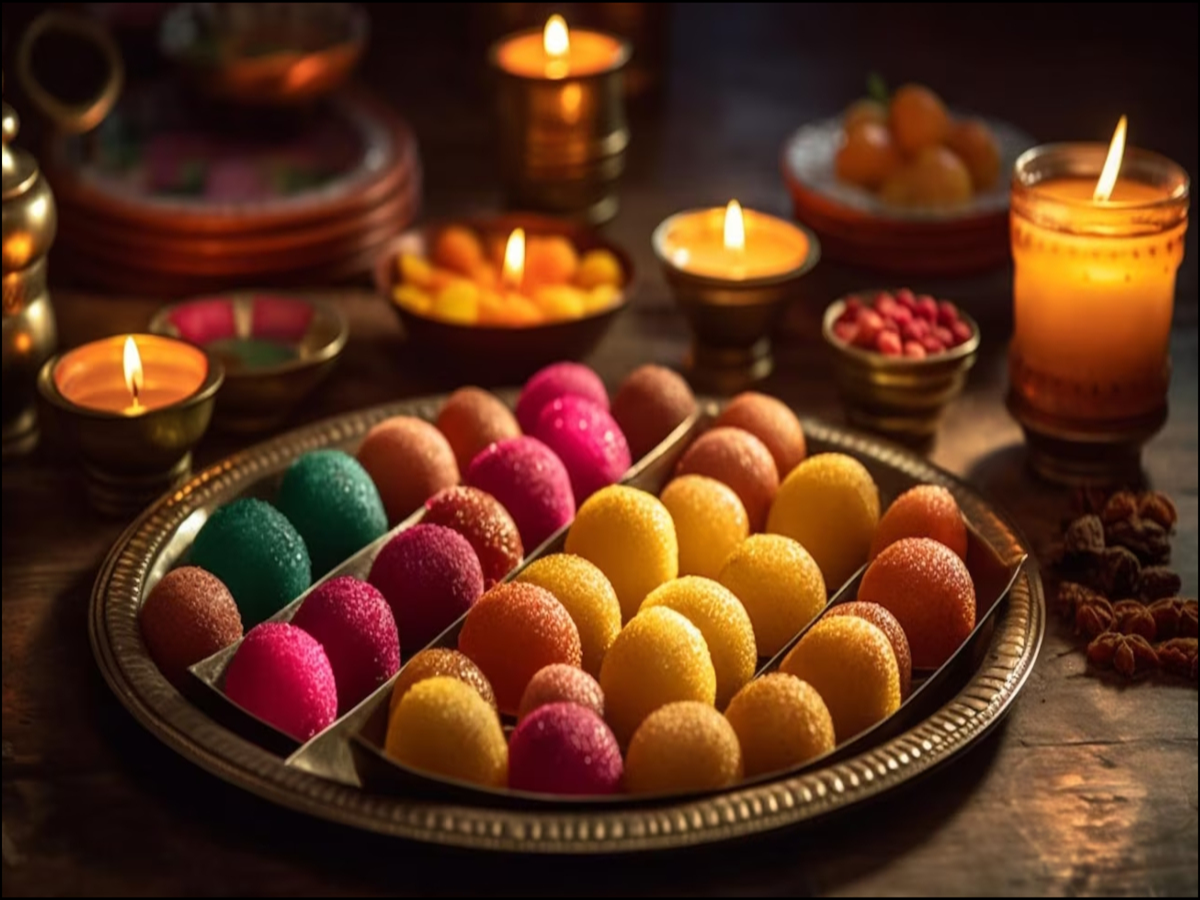
Diwali is a festival of joy and sweetness, but one should not be hasty when buying sweets. Purchase from a clean and hygienic shop, check the dates and details on packaged sweets, and avoid consuming anything that appears suspicious in terms of color, smell, or texture. If you suspect adulteration, report it to the Food Safety Department. A little caution can go a long way in ensuring the festive spirit remains intact.
Be careful when buying sweets this Diwali! Could you be consuming adulterated sweets? Learn how to identify them by their color, aroma, and taste.
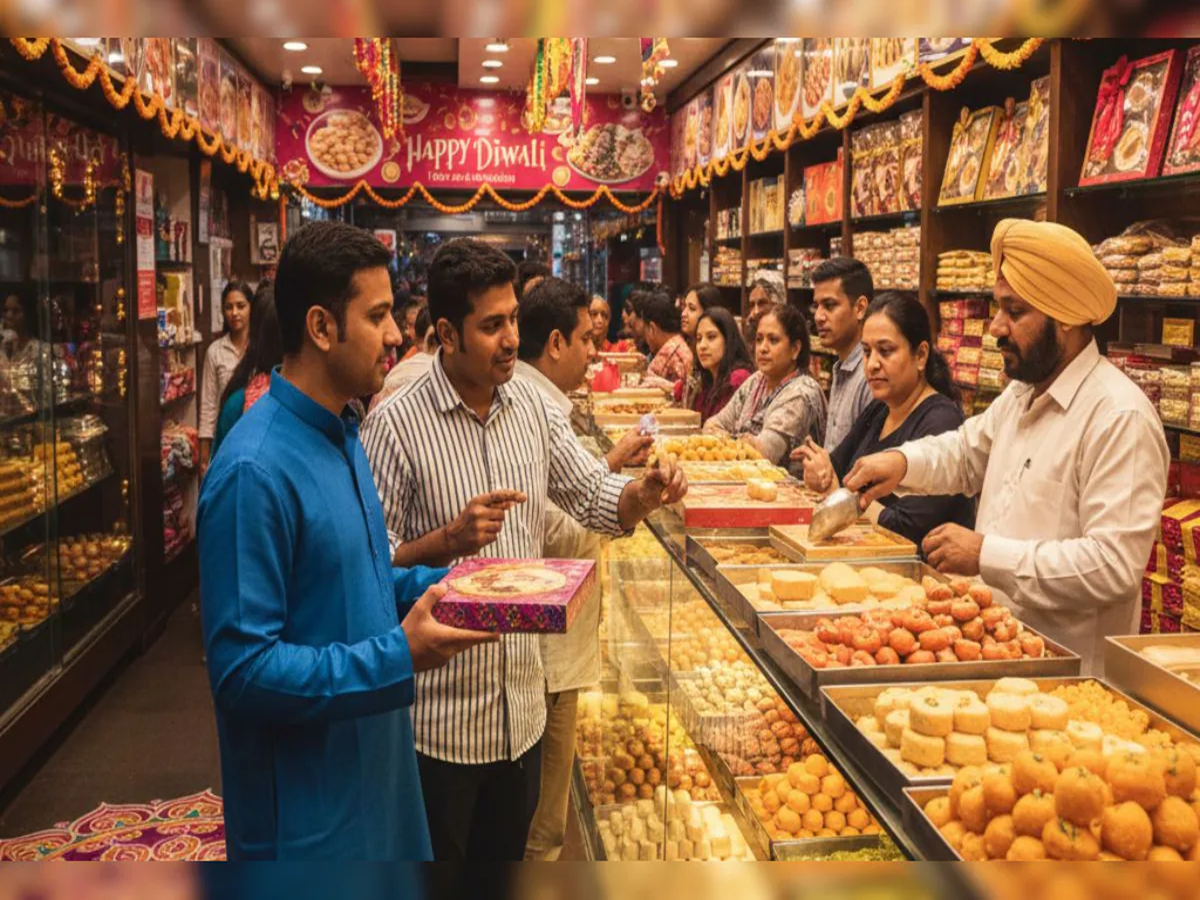
It is hard to imagine Diwali without sweets in the house. People buy them for guests or as gifts for friends and relatives. During the festive season, the demand for sweets like *barfi*, *peda*, *laddu*, *rasgulla*, and other milk-based delicacies surges. Unfortunately, this also increases the risk of adulterated or spoiled sweets entering the market. Therefore, it is essential to exercise caution when making purchases. You can often spot issues by observing the color, texture, and aroma of the sweets.
The quality of milk and *mawa* (solidified milk) used is crucial to the overall quality of the sweets. When buying *barfi*, *peda*, *kalakand*, or other milk-based treats, pay close attention to their texture and smell. Avoid purchasing them if they emit a stale or unusual odor, show signs of mold, or appear to have an altered color or texture.
Dr. Anil Patel notes that consuming spoiled or adulterated sweets can have adverse health effects. Given the high demand during the festive season, one must be extra vigilant about quality. He advises against eating any sweets that exhibit an unusual smell, taste, or texture. It is important to remember that a normal taste alone is no guarantee that a sweet is pure. Some forms of adulteration can only be identified through laboratory testing.
To make sweets look more appealing, shops often use bright colors and decorative elements. When buying sweets, check if the color appears unusually dark or vivid. If you notice a layer of color on the sweet, or if the color rubs off onto your hands when you touch it, exercise caution. However, the mere presence of a bright color does not automatically mean the sweet is adulterated; some sweets may contain food-grade colors used in accordance with regulations. Therefore, in addition to the color, also consider the cleanliness of the shop, how the sweets are stored, and their overall freshness.
It is also important to pay attention to the aroma of the sweets. Fresh sweets should have a natural scent characteristic of their ingredients, whereas spoiled sweets may emit a stale or sour odor. Similarly, if you detect an unusual bitterness, sourness, or any other strange taste, stop eating them. Keep in mind that tasting a suspicious sweet to check its quality is not a safe practice. If you have any doubts based on its smell, color, or texture, do not consume it—simply avoid purchasing it altogether.
During Diwali, many people purchase pre-packaged sweets. When buying such items, be sure to read the information provided on the packaging. Check the date of manufacture, the expiry date (or 'best before' date), the list of ingredients, and ensure the seal is intact. Do not purchase a package if it appears bloated, has been opened, or lacks clear, essential information.
The silver leaf (*vark*) used on sweets is also a frequent subject of concern. There are often questions regarding whether such decorations are truly made of silver or some other substance that merely resembles it. However, attempting to verify the purity of the silver leaf by rubbing it with your finger or observing how it folds is not a reliable method. Therefore, do not judge the quality of a sweet solely based on the presence of this silver leaf. It is best to purchase sweets from a vendor who complies with food safety regulations. If there are serious concerns regarding the purity of the sweets, they can be tested at an authorized laboratory.
Various home-based methods for detecting adulteration in sweets are often shared on the internet and social media. These include dissolving the sweet in water, rubbing it on a tissue paper, or applying iodine to observe any change in color. However, these methods cannot reliably identify all types of adulteration. For instance, while a blue or purple color change upon the application of iodine may indicate the presence of starch, an accurate assessment requires a proper testing procedure and specific knowledge about the sample. Similarly, the mere fact that a sweet dissolves in water or releases color does not, by itself, prove that it is adulterated.
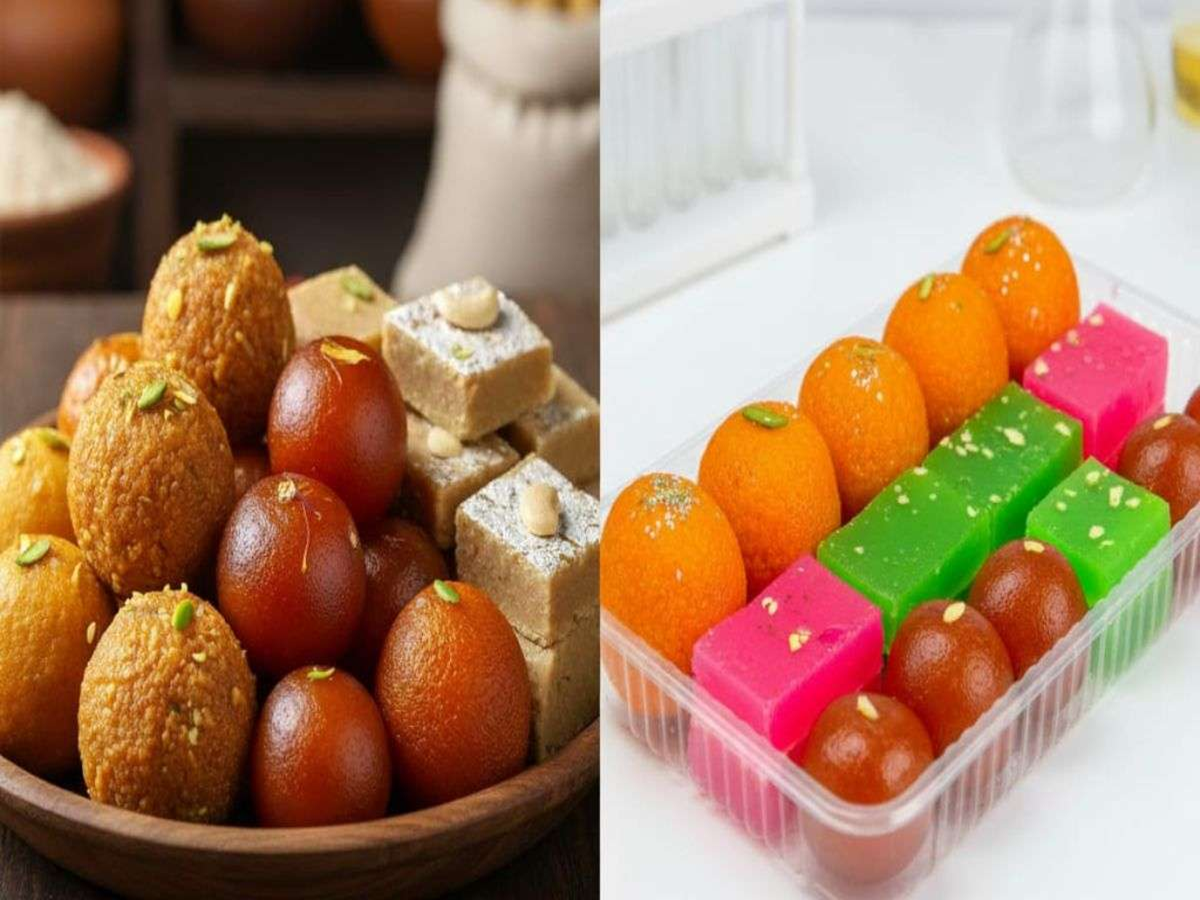
Consuming spoiled or contaminated sweets can lead to issues such as abdominal pain, vomiting, diarrhea, and food poisoning. Furthermore, the presence of banned food coloring agents or other harmful substances poses a serious health risk. It is particularly important to ensure food safety for children, the elderly, and individuals with pre-existing health conditions.
PC Social Media