LIFESTYLE
Best Hospital for Delivery: Choosing a hospital for delivery? Make sure to get answers to these questions before booking..

How to Choose the Best Maternity Hospital: Selecting the right hospital for delivery during pregnancy is a crucial decision. Especially as the due date approaches, it is essential to be well-informed about the hospital's facilities, the availability of doctors, and emergency services.
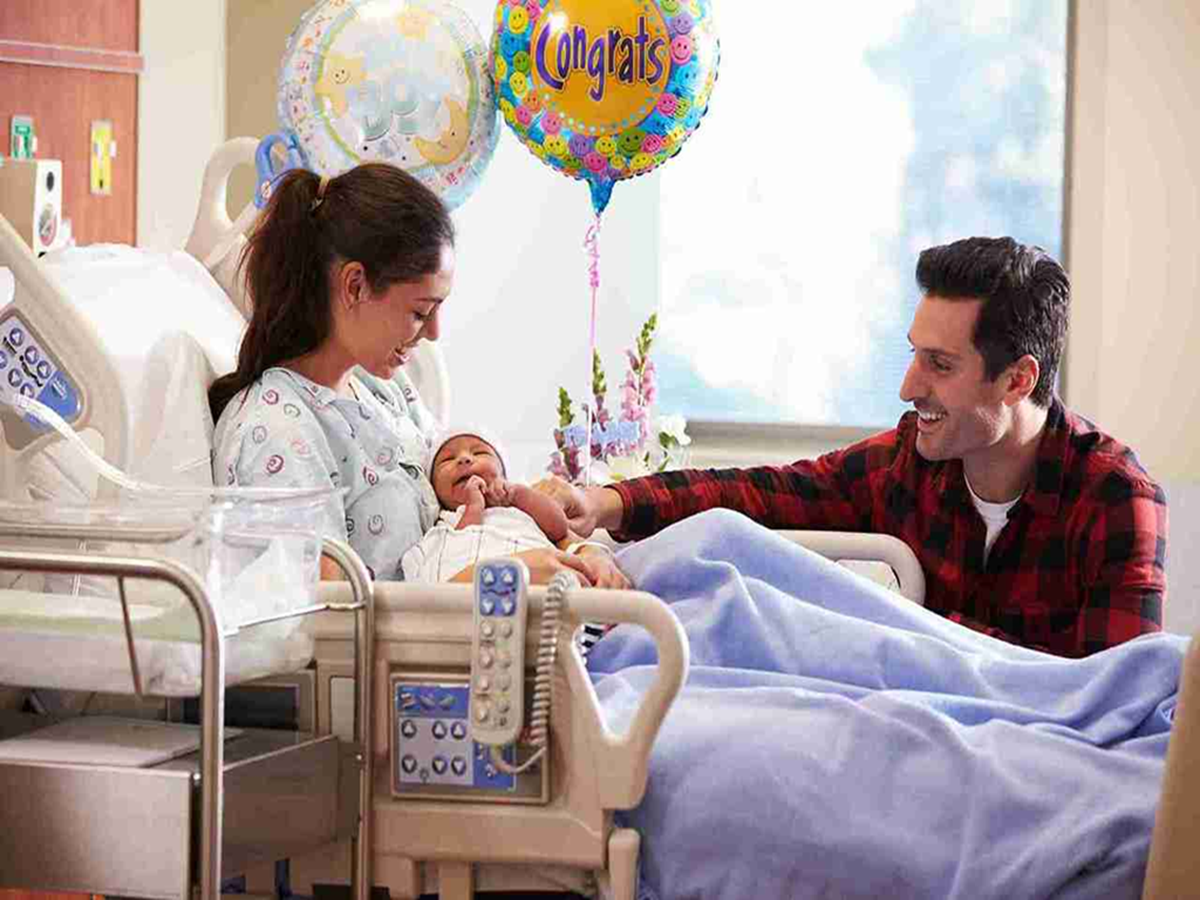
People often make decisions based solely on a hospital's proximity or reputation; however, situations can arise during childbirth that require immediate medical intervention. Therefore, it is advisable to inquire about delivery facilities and emergency protocols before making a choice. Let us look at the key questions you should ask before selecting a hospital for delivery.
1. Are doctors and medical staff available 24/7?
As your due date nears, make sure to ask the hospital if a gynecologist, nursing staff, and—if needed—an anesthesiologist are available around the clock. Conditions can change suddenly during labor, and in some instances, the immediate presence of a specialist may be required.
Therefore, simply checking for doctor availability during OPD hours is not enough; you should also find out what kind of medical team is available for emergencies at night or on holidays. It is also helpful to ask beforehand about the hospital's labor ward setup and the procedure for accessing a doctor.
2. Are emergency and C-section facilities available?
Deliveries do not always go exactly as planned. Sometimes, situations arise during labor where a doctor might recommend a C-section. For example, a C-section might be necessary due to issues with the baby's heart rate or if labor fails to progress.
Thus, before choosing a hospital, ask if an operating theater, a surgical team, and anesthesia services are available 24/7. You should also find out how quickly a C-section can be arranged in an emergency.
3. What facilities are available for the newborn?
When choosing a hospital, focusing solely on facilities for the mother is not enough. Also, find out what arrangements the hospital has in place should the baby require extra monitoring or special care after birth. Ask whether the hospital has a newborn care unit or a NICU (Neonatal Intensive Care Unit).
If the hospital lacks NICU facilities, inquire about which nearby hospital the baby would be referred to in an emergency and how the transfer would be arranged. Access to specialized newborn care can be crucial, especially in pregnancies involving pre-existing medical risks.
4. What tests and facilities are available at the hospital?
Before choosing a hospital, gather information about the diagnostic facilities available there. Ask whether pathology, ultrasound, and other necessary tests can be conducted on-site or if you would need to go elsewhere for them. It is also useful to know whether these services are available round-the-clock or only during specific hours.
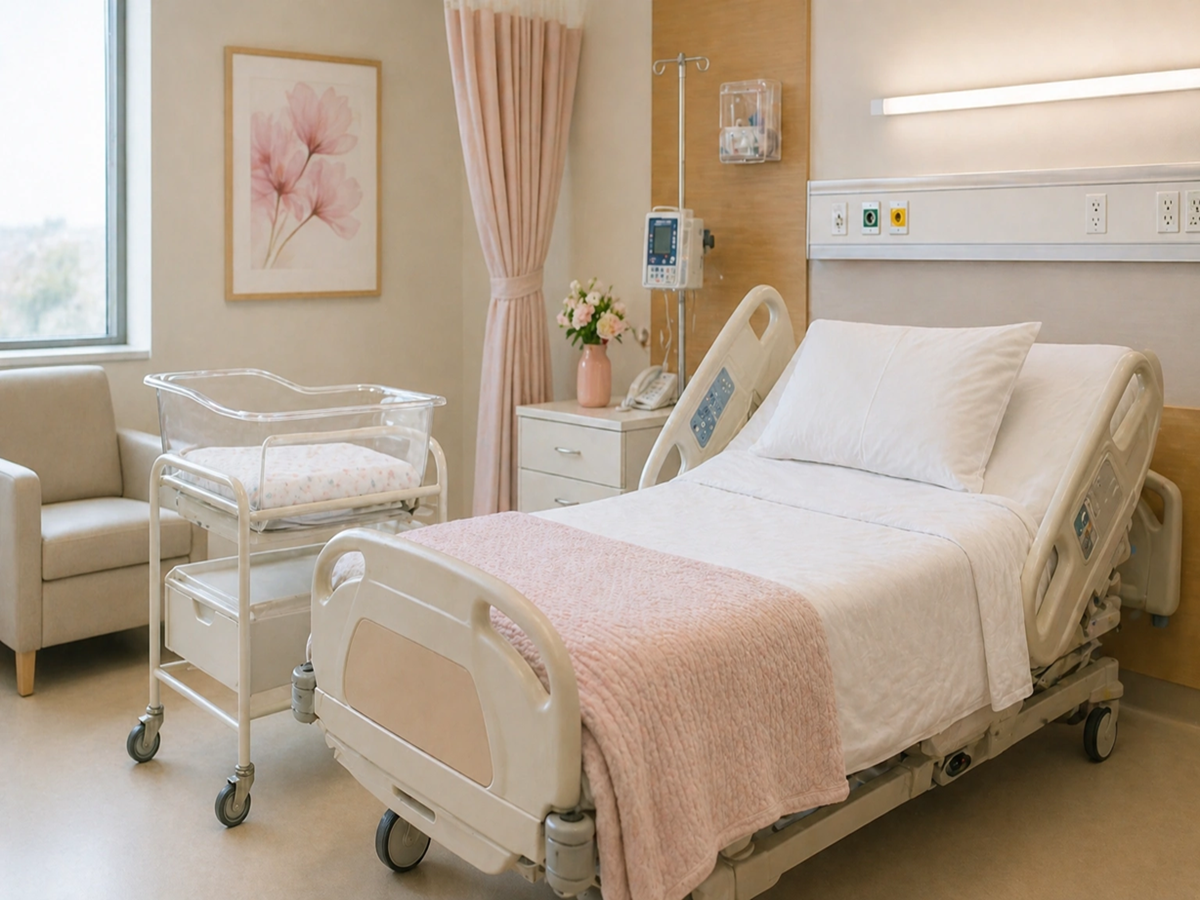
Additionally, you can inspect the labor room, operation theater, recovery area, and newborn care facilities. If possible, visit the hospital before the delivery to familiarize yourself with the amenities. Many hospitals also offer tours of their maternity units.
5. Is your health insurance accepted?
If you have health insurance, verify whether your policy is valid at the hospital before admission. Check with the hospital's insurance desk regarding cashless facilities, network hospital status, and the specific expenses covered by your policy. It is also advisable to ask beforehand about the estimated costs for a normal delivery versus a C-section. Expenses such as room rent, doctor's fees, medications, diagnostic tests, anesthesia, and any additional medical care required can vary. Being informed helps the family better prepare for any sudden financial burden at the time of delivery.
PC Social Media