LIFESTYLE
Cancer isn't caused solely by tobacco and alcohol! These 5 hidden infections in the body also increase the risk of the disease..
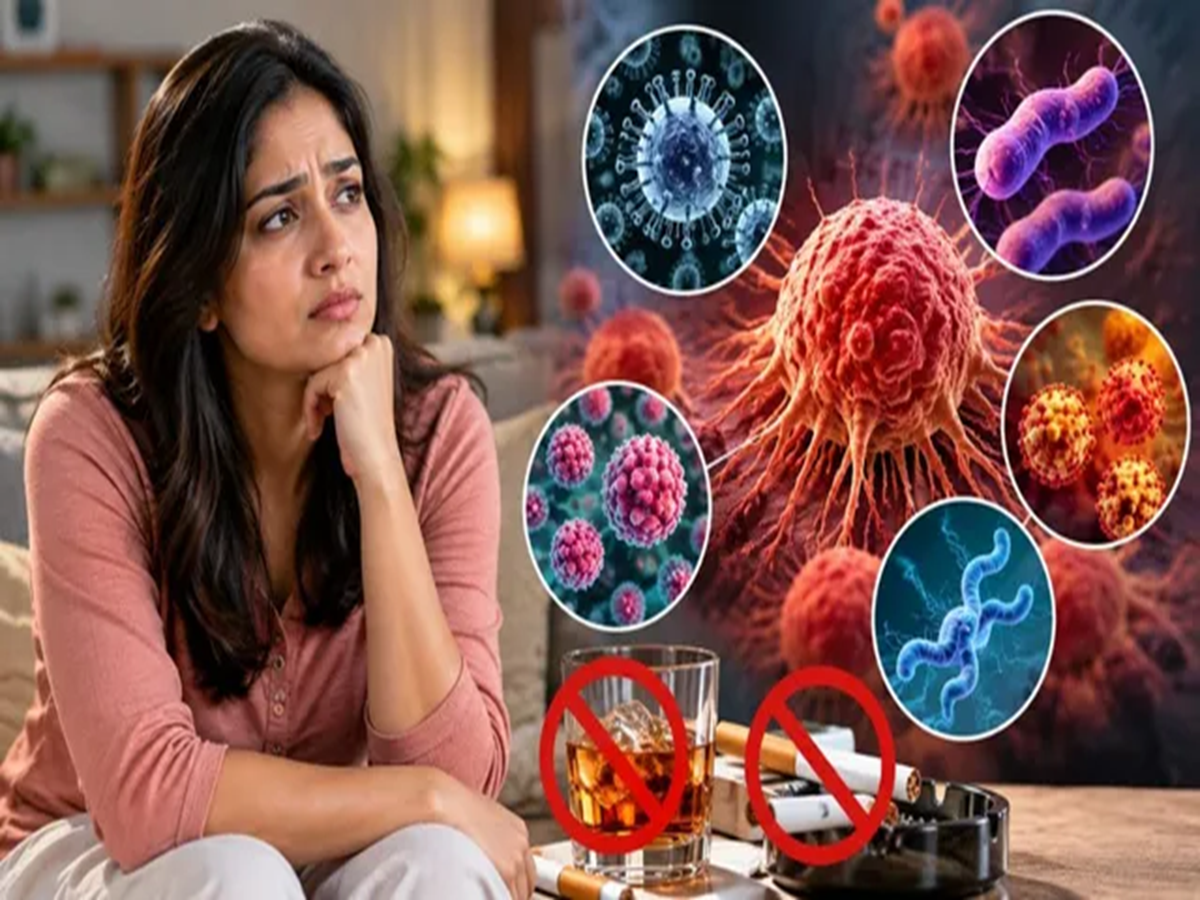
When we think about the causes of cancer, factors like tobacco, alcohol, an unhealthy lifestyle, or hereditary conditions usually come to mind first. However, have you ever considered that a simple virus or bacterium could also make you a victim of cancer?

A recent report in the renowned medical journal *The Lancet Oncology* has caused a stir in the medical community. Data from this study reveals that, globally, an infection lies at the root of one in every eight cancer cases.
**Don't Make the Mistake of Underestimating Infections**
In recent research, the International Agency for Research on Cancer (IARC) found that in 2024, 2.3 million new cancer cases worldwide were caused solely by infections. Put simply, infections were directly responsible for 12 percent of all cancer cases globally.
**These 5 Dangerous Viruses and Bacteria Are Proving Deadly**
Researchers examined 12 infectious agents capable of causing cancer in humans. However, five of these have caused the most significant impact:
* **H. pylori:** This bacterium is found in the stomach and poses the greatest threat. It was responsible for approximately 760,000 cancer cases.
* **HPV:** This virus is the primary cause of cervical cancer. It is also linked to cancers of the genital area and the head and neck. This virus caused cancer in approximately 750,000 people.
* **Hepatitis B (HBV):** Approximately 360,000 cases were linked to this virus, which is a major cause of liver cancer. Epstein-Barr Virus (EBV): This virus, which causes certain lymphomas as well as cancers of the stomach and throat, was responsible for 260,000 cases.
Hepatitis C (HCV): This virus affected approximately 160,000 people, with the majority of cases involving liver cancer.
How does an infection in the body turn into cancer?
It is crucial to understand that not every infection develops into cancer. It depends on the duration of the infection in the body and the state of your immune system.
When an infection persists in the body for a long time, it begins to damage our cells. This leads to chronic inflammation within the body. Over time, this persistent inflammation causes cellular changes that eventually develop into cancer. For instance, Hepatitis damages the liver, while *H. pylori* creates continuous inflammation in the stomach, paving the way for cancer.
A major threat looming over poor and developing nations
Dr. Harriet Rumgay, a scientist at IARC, highlighted a concerning fact: 77 percent of the burden of infection-related cancers falls on low- and middle-income countries. The primary reason for this is the significant lack of timely screening, vaccination, and treatment facilities in these nations.
What are the preventive measures?
The good news is that these infections—and the cancers resulting from them—can be prevented through timely intervention.

Effective vaccines: Highly effective vaccines are available for both HPV and Hepatitis B, offering protection against cervical and liver cancers.
Proper treatment: Although there is no vaccine for Hepatitis C, the infection can be completely cured using advanced antiviral medications. Regular screening: Periodic check-ups allow for the detection and elimination of risks before cells transform into cancer.
Overall, if we focus on basic healthcare facilities and infection control, a significant portion of dangerous diseases like cancer can be easily overcome.
PC Social Media