FASHION
Causes of Pimples: Getting frequent pimples on your face? Find out the causes and treatments with just one click..
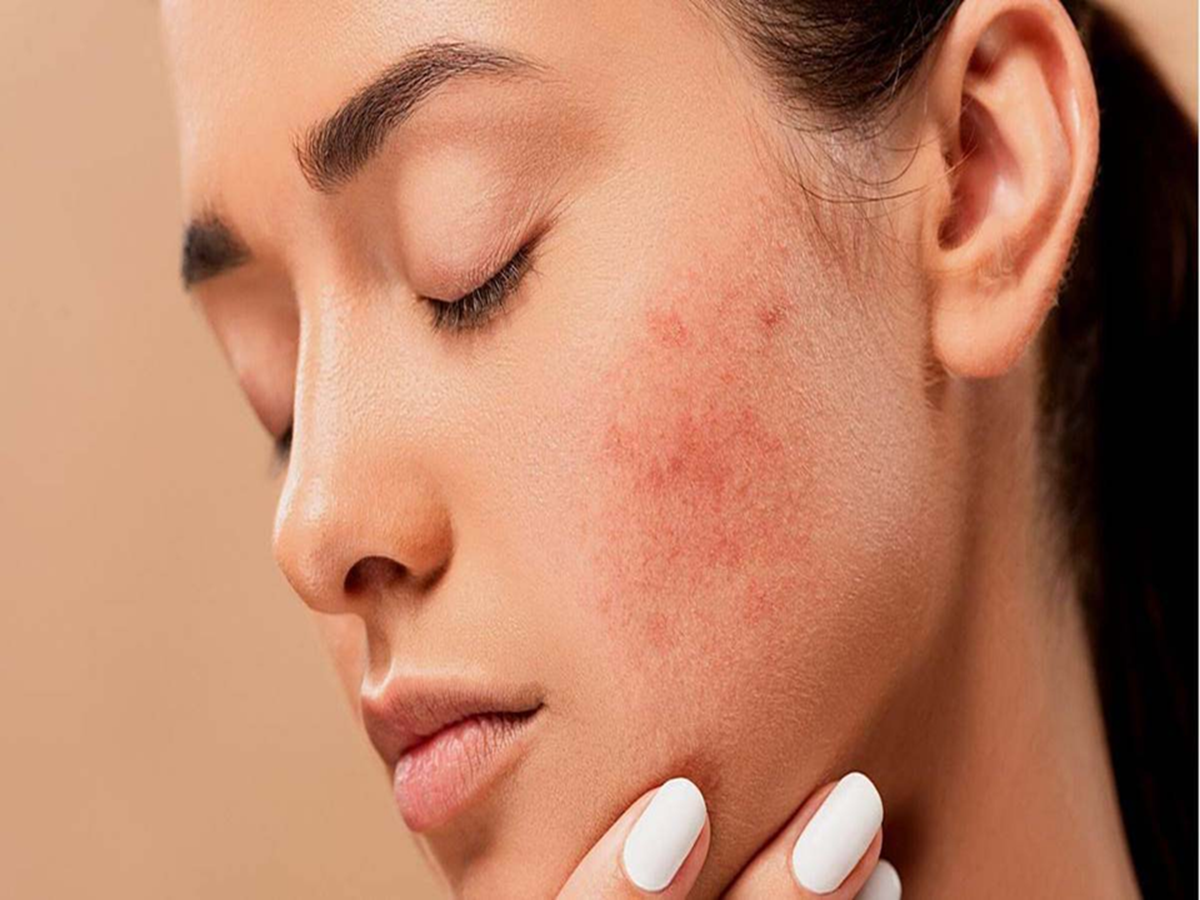
Causes of Facial Pimples: The teenage years—spanning school and college—are a phase of life marked by significant hormonal changes. Consequently, developing acne becomes a common issue during this age. Often, small pimples spread across the entire face, which can impact one's self-confidence.
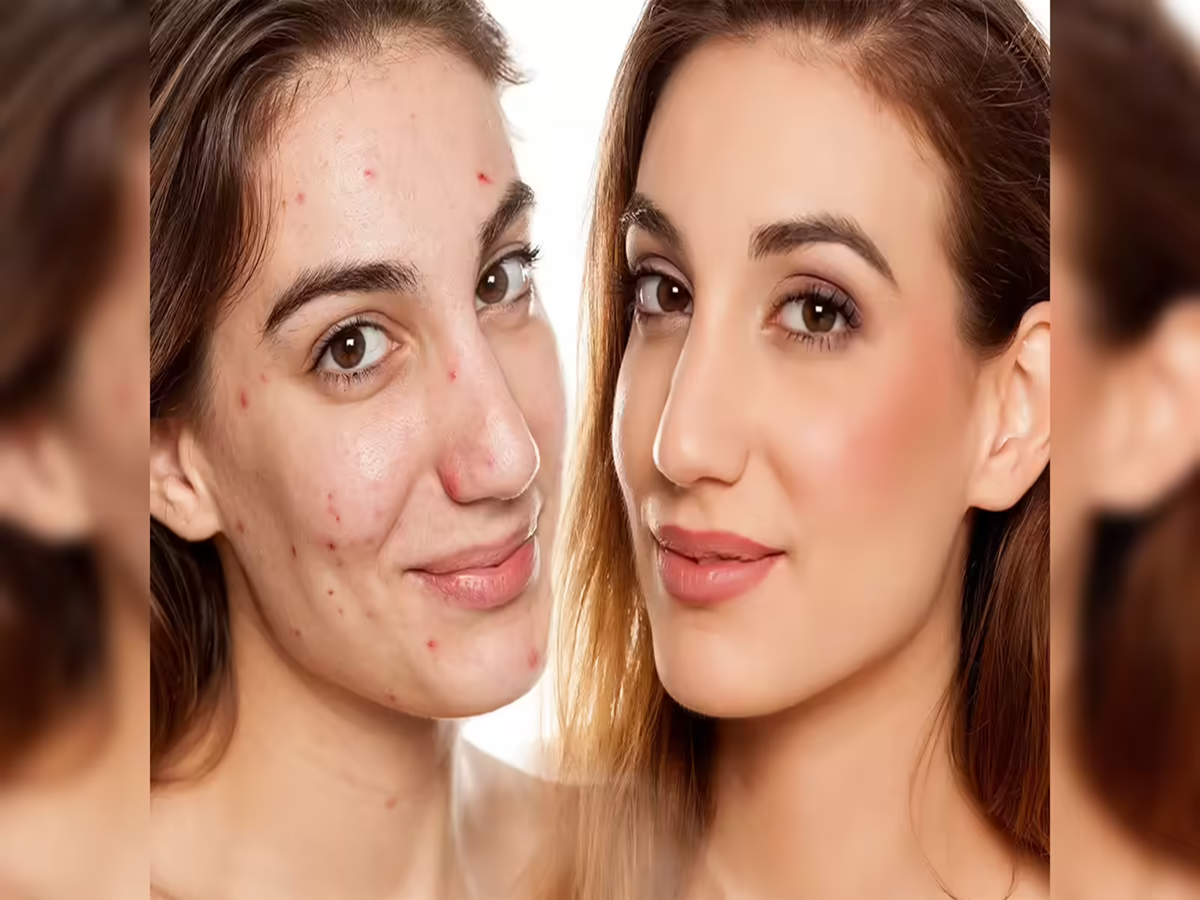
Some young people resort to popping pimples or applying creams without consulting a doctor, increasing the risk of blemishes and infections. If you are troubled by recurring pimples during your school or college years, it is important to understand the underlying causes and the simple measures that can help control this problem effectively.
Why do pimples occur during school and college years?
1. Hormonal Changes
During adolescence, levels of the androgen hormone rise, causing the skin's oil glands to become overactive. Excess oil production clogs pores, leading to acne breakouts.
2. Oily Skin
Individuals with oily skin are more prone to pimples. Excess sebum (oil) can combine with dust and bacteria to trigger acne.
3. Poor Diet
Excessive consumption of junk food, fried items, sugary foods, and soft drinks can aggravate skin problems. A balanced diet is considered better for skin health.
4. Stress and Lack of Sleep
Exam stress, academic pressure, and a lack of adequate sleep can disrupt hormonal balance, potentially worsening acne issues.
5. Improper Facial Cleansing
Sweat, dust, and pollution can clog skin pores. Cleansing the face twice a day with a mild face wash helps maintain healthy skin.
6. Unsuitable Cosmetic Products
Oily or heavy makeup products can clog pores. It is advisable to use non-comedogenic products suited to your skin type.
7. Genetic Factors
If parents experienced acne during their adolescence, the likelihood of their children developing it may also increase.
Simple Ways to Prevent Pimples
Wash your face twice a day with a mild face wash.
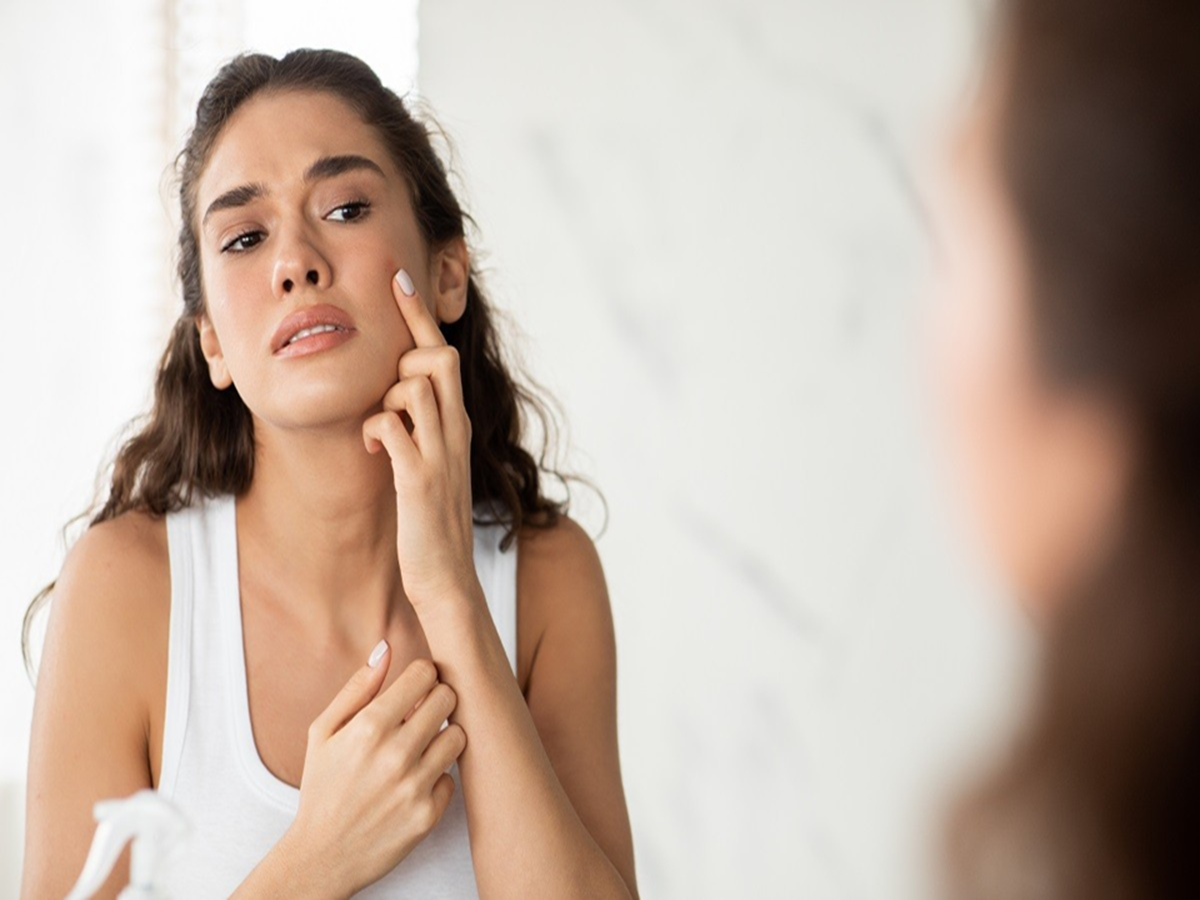
Avoid touching or popping pimples.
Drink plenty of water.
Consume fresh fruits, green vegetables, and protein-rich foods.
Get 7–8 hours of sleep daily.
Practice yoga and meditation to reduce stress.
Consult a dermatologist if you have persistent or severe acne.
PC Social Media