LIFESTYLE
Cervical Cancer: Up to what age can you get the cervical cancer vaccine? Don't delay, or the problems will increase..
Cancer is a rapidly growing disease worldwide, and the risk is now being observed in young people and children as well. Lung and oral cancers are most commonly reported in men, while breast and cervical cancers are most prevalent in women. Health experts attribute the increasing number of cancer cases to poor lifestyle, dietary imbalances, lack of physical activity, increasing stress, and hormonal imbalances.
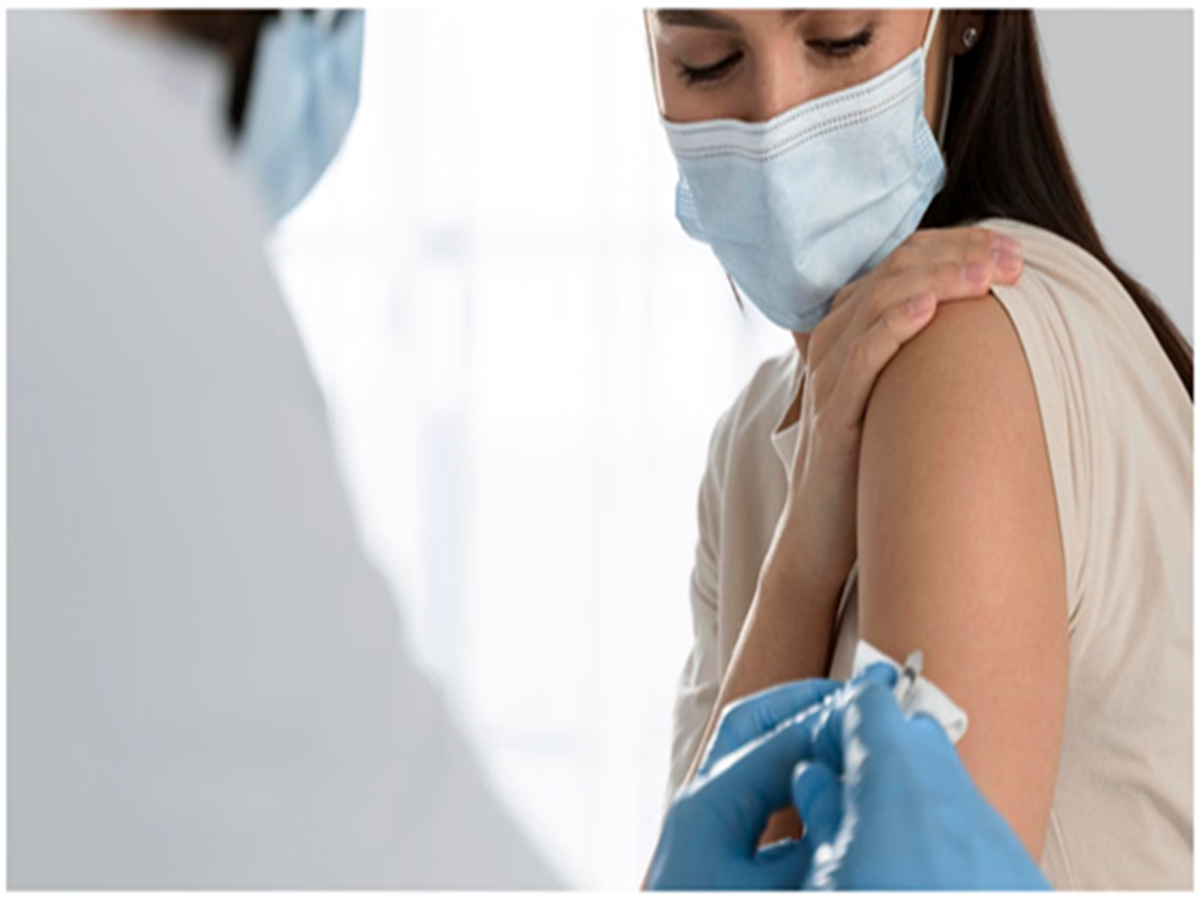
According to a World Cancer Care report, the rising number of cervical cancer cases in women is a cause for significant concern. However, the good news is that by adopting timely awareness, regular check-ups, and preventive measures, you can significantly reduce the risk of cervical cancer.
The HPV vaccine is considered an effective weapon against cervical cancer.
Cervical Cancer and its Vaccine
Cervical cancer occurs in the lower part of the uterus, the cervix. Human papillomavirus (HPV) infection is considered the primary cause. Health experts say that due to a lack of awareness and information about this cancer among Indian women, the disease is not detected in time, leading to an increase in cases and deaths.
Keeping these concerns in mind, the All India Institute of Medical Sciences (AIIMS) Delhi has started free cervical cancer screening. January is observed as Cervical Cancer Awareness Month, and women can get free cervical cancer screening here until January 31st.
When should you get vaccinated?
Health experts say that all women should get vaccinated against cervical cancer on their doctor's advice. However, many people have questions about this vaccine. What age group of women can get the vaccine, and what precautions should be taken? Let's find out.
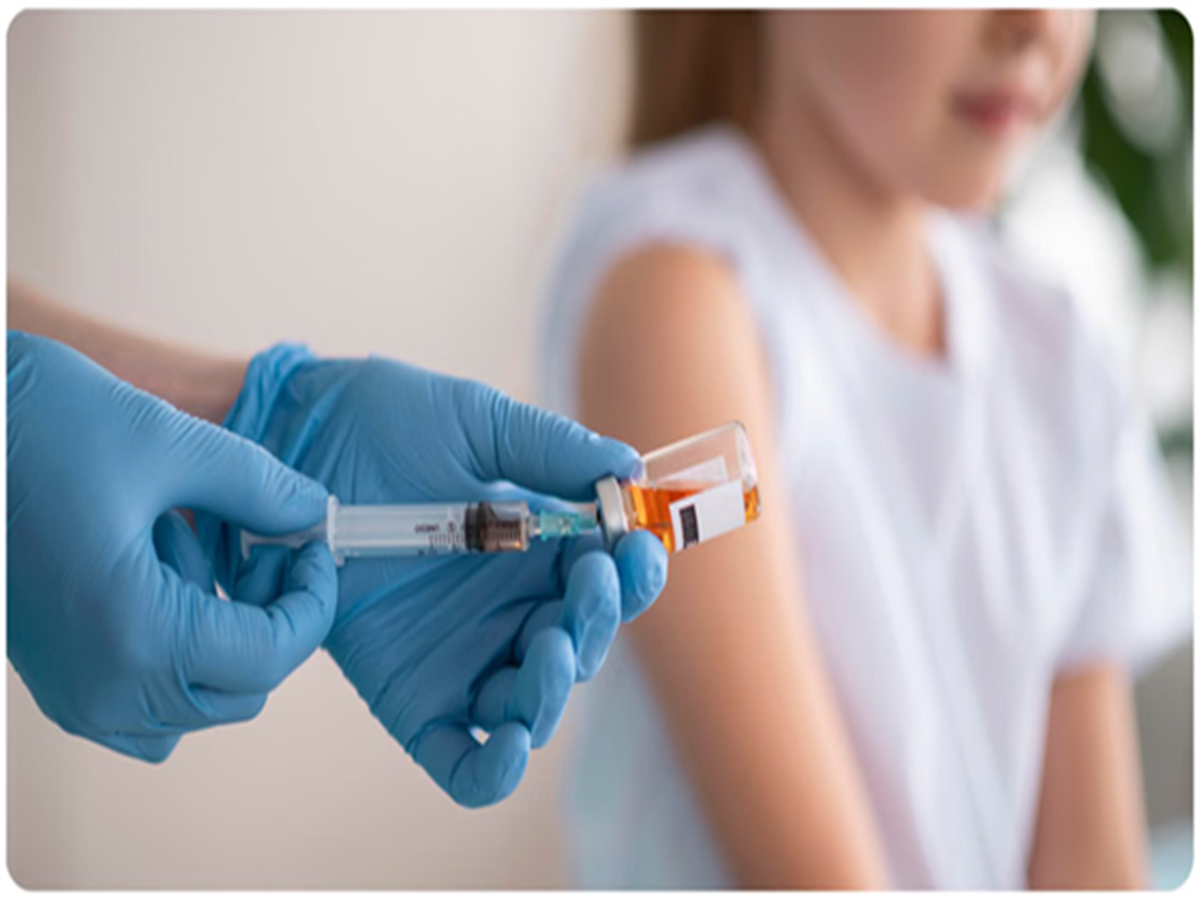
The cervical cancer vaccine helps protect women from infections caused by the Human Papillomavirus and its associated risks.
The ideal age for vaccination is considered to be between 9 and 14 years. The vaccine is most effective at this age. Girls in this age group receive two doses of the vaccine. The second dose is given 6 to 12 months after the first dose.
Studies have shown that two doses at this age are sufficient to develop adequate immunity in the body.
HPV Vaccine for ages 26-45
According to medical reports, women up to the age of 26 can also receive the cervical cancer vaccine. This includes those who received the first dose in childhood, adolescence, or young adulthood but did not complete the series.
In 2018, the Federal Drug Administration (FDA) extended the age limit from 26 to 45. This amendment was based on a study that showed the vaccine also prevents infection in adults of this age group.
Who should not get the HPV vaccine?
Health experts say that while this vaccine is safe for everyone, vaccination is not recommended in some situations.
There haven't been many studies on the safety of the vaccine during pregnancy, so it's best to get it after giving birth.
If you find out you are pregnant after receiving the vaccine, don't worry. Experts say it does not cause any problems during pregnancy.
If you had a severe reaction to a previous vaccine dose, be sure to consult your doctor before getting the next dose.
The vaccine contains a simulation of the virus. The vaccine stimulates your immune system to produce antibodies that fight HPV. If you come into contact with the real virus, these antibodies prevent it from causing infection. Therefore, vaccination is considered a good way to protect against cervical cancer.
PC Social Media