LIFESTYLE
Chaitra Navratri Begins on March 19: Why Is the Goddess's Arrival Vehicle Sending Ominous Signals This Time?
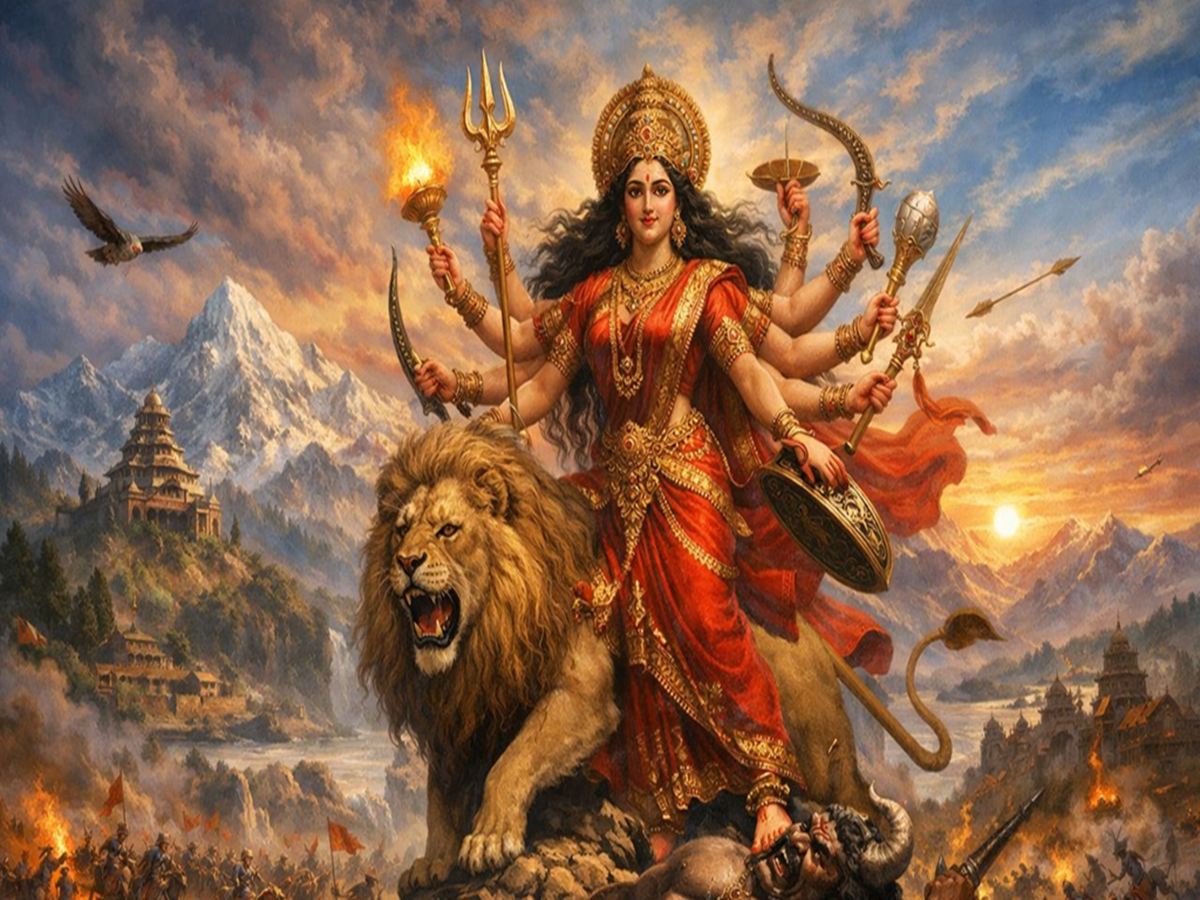
Chaitra Navratri 2026: The festival of Chaitra Navratri commences on Thursday, March 19. Every year, this festival is celebrated on the *Pratipada* (first day) of the Krishna Paksha (waning phase of the moon) in the month of Chaitra, and it also marks the beginning of the Hindu New Year. During this nine-day festival, devotees worship the nine distinct forms of Goddess Durga and observe fasts to offer their prayers to the Goddess. Four Navratris are celebrated throughout the year; among these, Chaitra Navratri and Sharadiya Navratri are the most widely known and celebrated by the general public, while the remaining two, occurring in the months of Ashadha and Magha, are referred to as *Gupt Navratri* (Hidden Navratri). Whenever Navratri arrives, discussions regarding the specific vehicle (Vahana) upon which the Goddess arrives begin to circulate. This year, for Chaitra Navratri, it is believed that the Goddess will arrive seated in a Doli (palanquin), an event said to hold special religious significance.
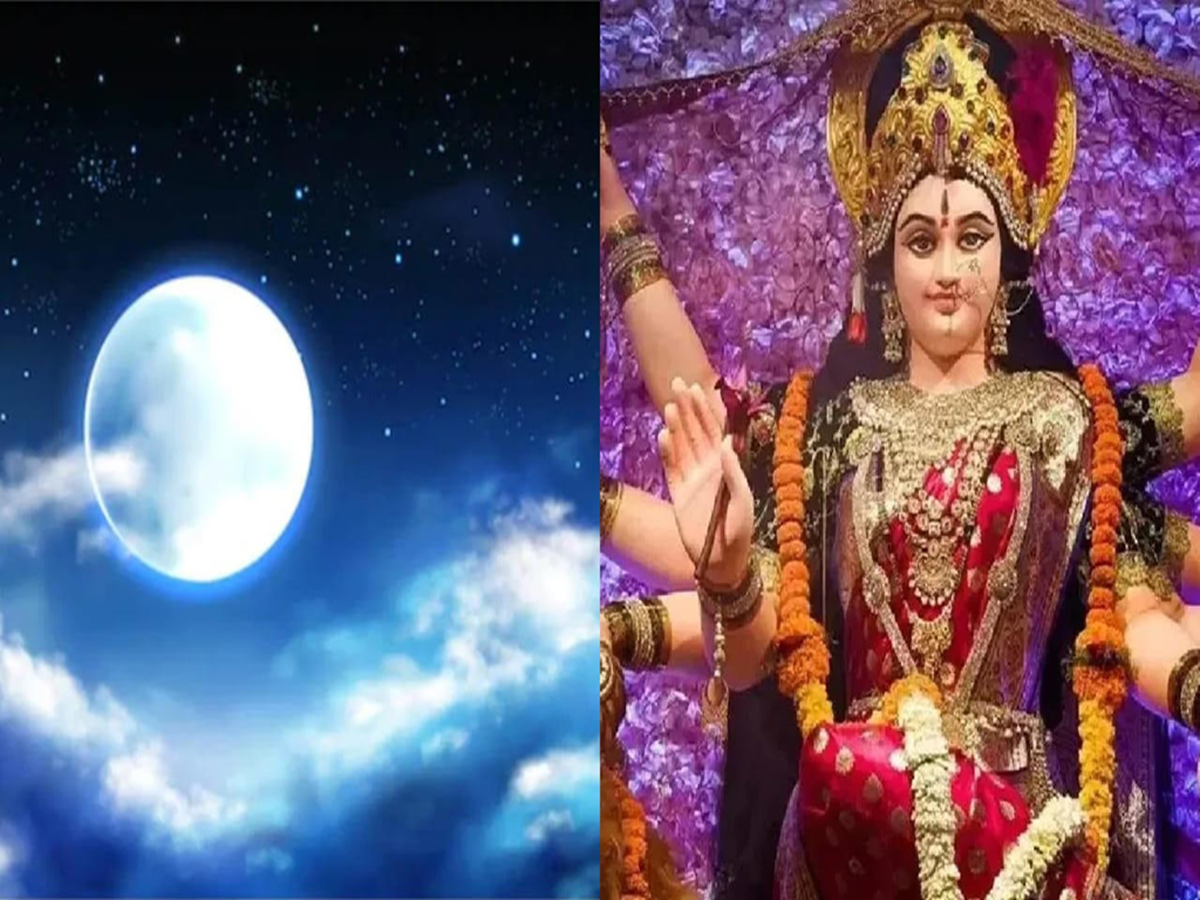
On Which Day Does the Goddess Arrive on Which Vehicle?
During Navratri, Goddess Durga descends from Mount Kailash to the Earth realm, seated upon a specific vehicle or mount. Each of her vehicles carries unique significance and conveys a distinct symbolic message. The specific vehicle upon which the Goddess arrives is determined by the day of the week on which the first day of Navratri falls. On Sundays and Mondays, she arrives riding an *Gaja* (elephant); on Tuesdays and Saturdays, her vehicle is an *Ashwa* (horse). On Thursdays and Fridays, the Goddess arrives in a *Doli* (palanquin), while on Wednesdays, she arrives seated in a boat, descending to the Earth realm to bestow her blessings upon her devotees.
Chaitra Navratri Begins on March 19
According to the Vedic *Panchang* (almanac), the *Pratipada* Tithi (first day) of the *Shukla Paksha* (waxing phase of the moon) in the month of Chaitra begins this year on March 19 at 6:52 AM. This Tithi concludes on March 20 at 4:52 AM. Consequently, adhering to the tradition of the *Udaya Tithi* (the Tithi prevailing at sunrise), the celebrations for Chaitra Navratri officially commence on March 19. The festival of Chaitra Navratri concludes on March 27, coinciding with the festival of Ram Navami.
What is the Significance of Chaitra Navratri?
Chaitra Navratri is inextricably linked with the commencement of the Hindu New Year. Throughout these nine days, devotees engage in the worship and adoration of the nine distinct manifestations of Goddess Durga. Devotees observe fasts with deep devotion in their homes and temples, perform *Ghatasthapana* (the ceremonial installation of a sacred pot), and worship Goddess Durga, praying for happiness, prosperity, peace, and strength. According to religious beliefs, performing worship during Navratri with strict adherence to prescribed rituals pleases Goddess Durga, and She fulfills the wishes of Her devotees. During these days, devotees observe fasts, recite the *Durga Saptashati*, and remain immersed in devotion to the Goddess.
The Significance of Goddess Durga's Vehicle
According to religious scriptures, Goddess Durga arrives on Earth riding upon various vehicles. Among these, the elephant, horse, boat, and *Doli* (palanquin) are considered the most significant. If the Goddess arrives riding an elephant, it is regarded as an extremely auspicious sign, symbolizing prosperity. Conversely, her arrival on a horse is interpreted as a symbol of war or conflict. Arrival by boat is said to signify bountiful rainfall and happiness, whereas arrival on a Doli is believed to indicate certain fluctuations and natural changes.
The Significance of the Goddess's Vehicle: The Doli or Palanquin
According to religious beliefs, the Goddess's arrival on a Doli may signal periods of fluctuation and challenges. Currently, various troubles—including wars—are already unfolding both within the country and abroad. In this context, the Goddess's arrival on a Doli is being interpreted as an indication of significant instability and impending challenges. This year may witness changes in social and natural conditions. Furthermore, people's economic status could be impacted, and the nation itself may have to confront an economic crisis. According to astrologers, this period serves as a message for people to remain vigilant and to face these circumstances with unity. However, alongside this, it is also firmly believed that through the grace of Goddess Durga, these difficulties can ultimately be overcome.
PC Social Media